
 3★
In short
The Paul Valley on Santo Antão is Cape Verde's greenest valley and a good base for walking. Sugarcane, bananas, mango and coffee grow on terraces above Vila das Pombas, and small distilleries make grogue from the cane. The classic walk descends from the Cova crater rim into the valley. Rooms are in small guesthouses; the drive from Porto Novo takes roughly 40 minutes to one hour.
Why stay in the Paul Valley?
The Paul Valley, the Ribeira do Paul, is the greenest valley in Cape Verde. Sugarcane, bananas, mango, breadfruit and coffee grow on terraced hillsides fed by the valley stream, and the green lasts longer here than on the dry islands to the east. Vila das Pombas sits at the mouth of the valley on the north-east coast. A base here puts you among farmland, small settlements and walking country rather than a resort strip.
The valley suits travellers who want a walk from the door and quiet evenings. There is no resort strip, and the villages along the valley road are farming places first. Days fill with terrace paths, viewpoints and distillery visits. The mountain road above the valley climbs towards the Cova crater rim, so the classic descent into the Paul Valley can begin close to where you sleep, and walks here can be short or take most of a day.
Where is the Paul Valley?
The Paul Valley runs down the north-east coast of Santo Antão, the westernmost of the Barlavento islands. It begins high on the slopes below the Cova crater and drops through terraced farmland to the sea at Vila das Pombas, the largest settlement in the valley. The valley lies east of Porto Novo, the island's ferry port, on the road that follows the north coast. Distances look short on a map but take longer in practice, because the road climbs and bends.
Santo Antão turns green after rain, and the Paul Valley is its greenest corner. The crater above, the Cova, is a landmark and a common starting point for walks down into the valley. There are no scheduled flights to the island, so arrival is by ferry from Mindelo on São Vicente, with some longer inter-island routes on some days. Check current sailings with the ferry operator before planning a crossing.
How do you get to the Paul Valley?
Reach Santo Antão by ferry from Mindelo on São Vicente to Porto Novo, a crossing of about one hour with several sailings a day. From Porto Novo the coast road climbs and bends east to Vila das Pombas in roughly 40 minutes to one hour. Schedules change with weather and season, so check the current timetable with the ferry operator before you travel, and keep a buffer day before an international flight.
Aluguers, the shared minibuses and pick-ups, run between Porto Novo and the valley settlements and leave when full. Taxis wait at the port, and it is normal to agree the fare before setting off. Hire cars are available on the island, and driver-guides are common on Santo Antão, which helps on the steep valley roads. Confirm current arrangements locally rather than relying on an old timetable.
- By ferry: Mindelo to Porto Novo takes about one hour, with several sailings a day; weather can delay crossings.
- By aluguer: Shared minibuses and pick-ups run from Porto Novo and leave when full, the usual way without a car.
- By taxi: Taxis wait at the port and in Porto Novo; agree the fare before setting off.
- With a driver-guide: Local driver-guides take the coast road and the valley roads; book ahead in the busiest months.
Which walks start in the Paul Valley?
The classic route descends from the Cova crater rim into the Paul Valley, following farm tracks and terraces down to the valley floor. It takes several hours at walking pace and is steep in places. A local guide is worth having for route finding, for the story of the terraces and for the working farms you pass. Check conditions before setting out, particularly in the wetter months.
Other paths link the valley villages and the farms above them, and short walks along the valley floor suit an easy half day. Rain can make tracks slippery and streams high, so ask locally about conditions. The island hiking guide covers routes across Santo Antão, including the north coast beyond the valley, and is a sensible read before fixing a plan.
- Cova descent: The classic walk from the crater rim down into the valley, steep in places and best with a guide.
- Valley floor paths: Short routes between the villages and terraces, enough for an easy half day.
- Farm tracks: Tracks through sugarcane and banana terraces; keep to the path and close gates behind you.
- North coast path: The coast road continues to Ponta do Sol, where the path to Fontainhas runs above the sea.
What food comes from the Paul Valley?
The valley grows much of what appears on island tables: sugarcane, bananas, mango, breadfruit and coffee, with vegetables on the terraces. Cachupa, the slow-cooked corn and beans dish, is the national staple, served with fish or meat and fried the next morning as cachupa refogada. Fresh tuna and wahoo, octopus and goat's cheese also appear, and grogue and ponche come from the cane.
Small kitchens in Pombas and the valley villages cook what is available, so menus vary through the week. Ask in the morning whether food is being prepared that evening, especially outside the busiest months, and give notice if you eat vegetarian. The Cape Verde food guide covers dishes across the islands and helps with names on a handwritten menu.
Grogue, trapiches and ponche
Sugarcane from the terraces is pressed at small distilleries called trapiches and turned into grogue, the Cape Verdean cane spirit. Santo Antão and Santiago are the grogue islands, and the Paul Valley has working stills among its farms. Ponche, a sweetened drink made with grogue, is an easy way to try it slowly. Ask before stepping into a working trapiche or photographing the people inside.
Distilling follows the sugarcane harvest, so the sound of the press and the smell of the still belong to particular weeks of the year. Outside those weeks you can still see the equipment and buy grogue from the farms that make it. Anyone interested in how the drink is made should allow time for a proper visit rather than a quick stop on the road.
Where to stay in the Paul Valley?
Accommodation in the valley is small scale: guesthouses and rooms in family houses in Vila das Pombas and in the villages further up the valley road. Rooms are simple and are often let with breakfast or an evening meal on request. In the walking months, roughly November to May, places fill and it pays to book ahead. Check current details directly before travelling.
Staying up the valley puts walks at the door but means relying on aluguers or a car for the coast and the ferry port. Pombas has more choice for food and transport links. Porto Novo, at the ferry port, works for a late arrival or an early crossing but sits outside the valley. The island-hopping guide helps if the valley is one stop on a longer route.
- Pombas rooms: Guesthouses and family rooms in the valley's main settlement, close to transport and places to eat.
- Village stays: Quieter rooms along the valley road, closer to the terraces, stills and walking paths.
- Porto Novo: A practical stop for a late ferry arrival or an early crossing, outside the valley itself.
When should you visit the Paul Valley?
Days are warm all year, with temperatures in the mid-20s °C, and the driest months run from November to June. Short, irregular rains fall mostly between August and October and can leave tracks muddy and streams high. The trade winds are strongest from about November to May, which is also the busiest season for walkers. Take a layer for the higher farms, where it feels cooler.
Cloud can sit on the crater rim and hide the views, so a flexible plan helps: keep a valley walk for a clear morning and a distillery visit for a cloudy one. Dust haze from the Sahara reaches the islands at times in winter. For walking weather across the archipelago, the month-by-month guide is a useful check before booking.
Hotels in Paul Valley, Santo Antão
21 stays in the IMPT hotel database are in or near Paul Valley, Santo Antão. Listed 5-star first, then 4-star, then by guest score. No prices here: each button opens live availability in the IMPT app.
3★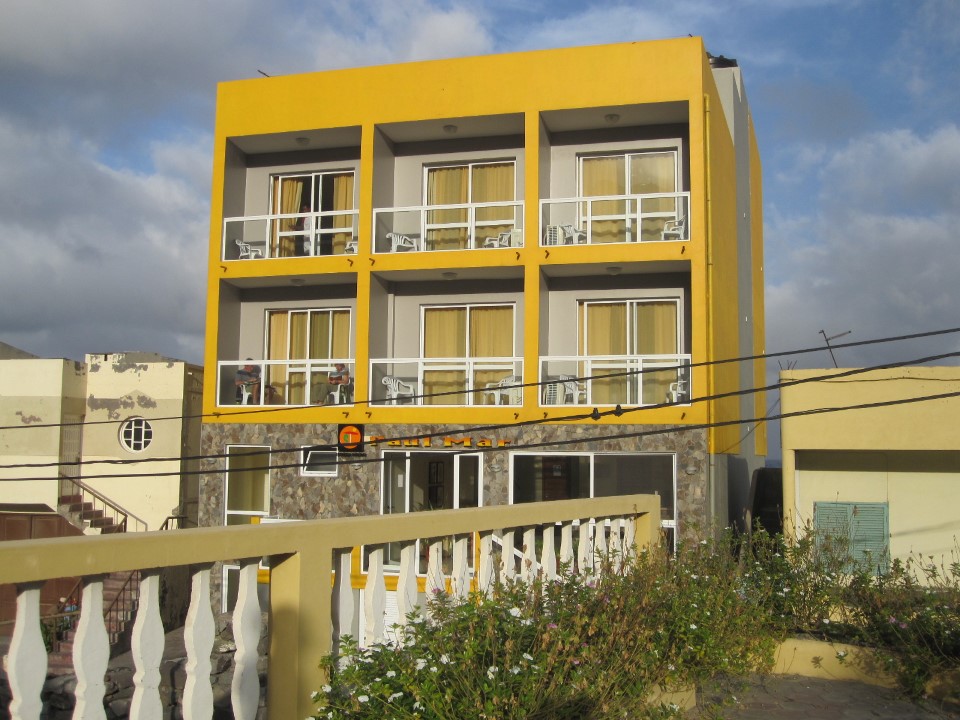 3★
Hotel Paul Mar
Paul Valley, Santo Antão · 3-starGuest score 4.6/5 from the booking supplier · 18 reviewsSee live price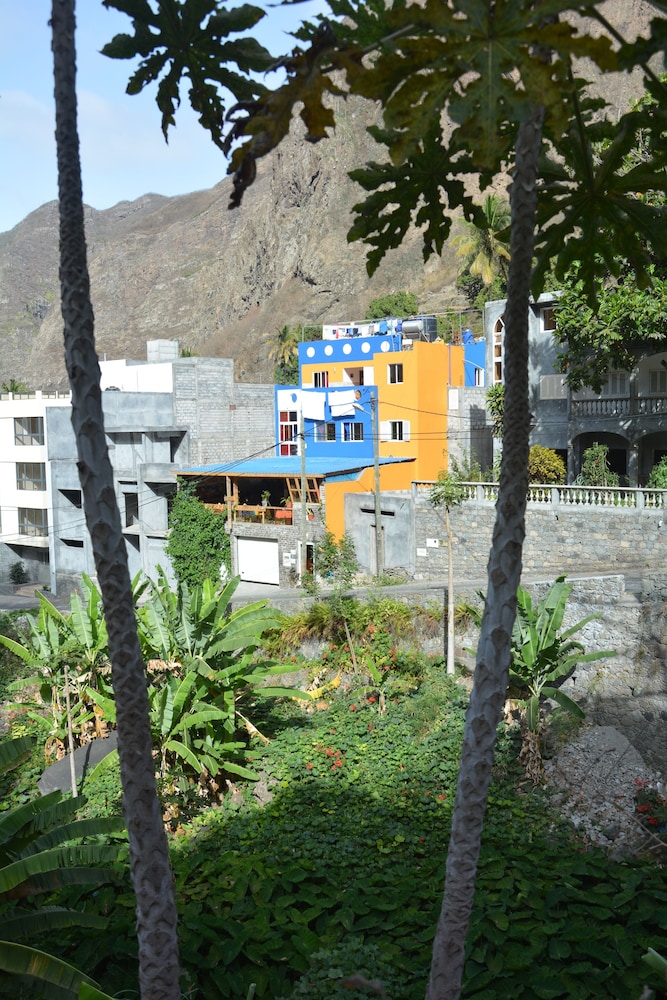 3★
Chez Hujo
Paul Valley, Santo Antão · 3-starGuest score 4.3/5 from the booking supplier · 55 reviewsSee live price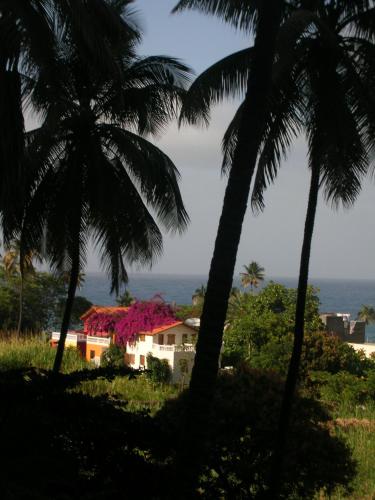 3★
 3★
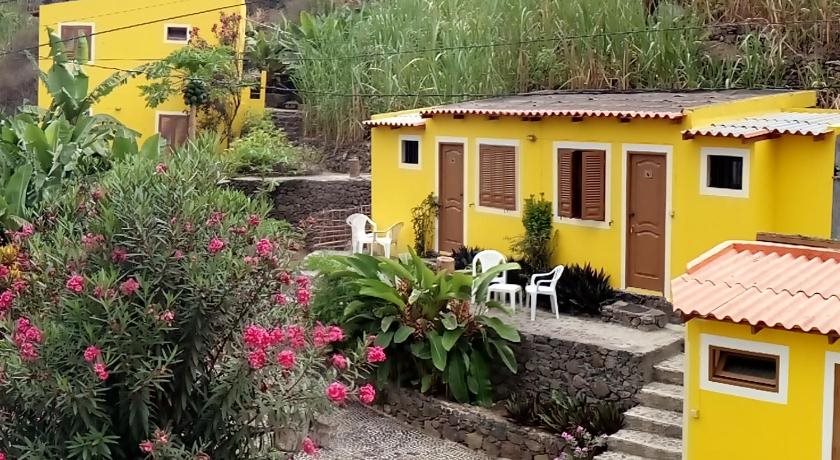 3★
All hotels in Paul Valley → · All 81 hotels on Santo Antão →
Frequently asked questions
Where is the Paul Valley on Santo Antão?
The Paul Valley, or Ribeira do Paul, runs down the north-east coast of Santo Antão from the slopes below the Cova crater to the sea at Vila das Pombas. It lies east of Porto Novo, the island's ferry port, along the north coast road. It is the greenest valley in Cape Verde.
How do you get to the Paul Valley from Porto Novo?
Take the north coast road east from Porto Novo. The drive to Vila das Pombas takes roughly 40 minutes to one hour. Aluguers, the shared minibuses and pick-ups, run the route and leave when full, and taxis wait at the port. Agree the fare before setting off and check current times locally.
Is the Paul Valley a good base for walking on Santo Antão?
Yes. The classic descent from the Cova crater rim ends in the valley, and paths link the villages and terraces on the valley floor. Walks can be short or take most of a day. A local guide helps with route finding and access across farmland, and conditions change after rain.
Can you walk down from Cova into the Paul Valley?
The descent from the Cova crater rim into the Paul Valley is the classic walk here. It follows farm tracks and terraces down to the valley floor and takes several hours at walking pace, with steep sections. A guide is worth having. Ask locally about conditions, particularly after rain.
What is grogue and can you see it made in the Paul Valley?
Grogue is a spirit distilled from sugarcane, pressed at small distilleries called trapiches. Santo Antão and Santiago are the grogue islands and the Paul Valley has working stills among the farms. Distilling follows the sugarcane harvest, so ask locally when the trapiches are working and always ask before stepping inside.
Where should you stay in the Paul Valley?
Rooms are in small guesthouses and family houses, in Vila das Pombas at the valley mouth and in villages along the valley road. Places are simple and often serve meals on request. Book ahead for the walking months from about November to May, and check details directly before you travel.
What food should you try in the Paul Valley?
Cachupa, the slow-cooked corn and beans dish, is the staple, served with fish or meat and fried the next morning as cachupa refogada. Fresh tuna, wahoo and octopus are common, goat's cheese comes from the highlands, and the valley grows bananas, mango, breadfruit and coffee. Ask in the morning about evening meals.
When is the best time to visit the Paul Valley?
The driest months run from November to June, with warm days in the mid-20s °C. Trade winds are strongest from about November to May. Short rains fall mostly between August and October and can make tracks slippery. Cloud sometimes hides the crater rim, so keep plans flexible and walk on clear mornings.
Do you need a car in the Paul Valley?
Not necessarily. Aluguers run between Porto Novo, Pombas and the valley villages, and taxis wait at the port. A car or a driver-guide makes the coast and the crater rim easier to reach and saves waiting. Roads are steep and winding, and hire cars are available on the island. Check current arrangements locally.
Read next
Sources: EASE (ease.gov.cv), Cabo Verde Ministry of Tourism and Transport, Instituto Nacional de Estatística, UNESCO. Editorial review: 4 November 2026, IMPT Cape Verde editorial team. Schedules, entry rules and opening times change; check before you go.
Photo credits: CorreiaPM, Public domain, via Wikimedia Commons.