
How the offset works
Four steps, in this order. Nothing in them is optional, nothing is added at checkout, and none of it needs anything from you beyond the booking itself.
The tonne is not an average spread across a year and not a block bought in bulk at the end of one. It is funded booking by booking, and the credit is verified before it counts.
- 01You book a room at the live rateThe price on the page is the live rate for the dates you picked. Nothing is added to it for carbon.
- 02IMPT funds one tonne of verified CO₂ offsetEvery single booking funds one tonne, whichever IMPT site it was made from.
- 03The credit is retired against a registered projectThe tonne is matched to a registered climate project and retired there, so the same tonne cannot be counted twice.
- 04The offset is reported on your tripWhat was offset is attached to that journey rather than to a year-end total.
That is the whole mechanism. One booking, one live price, one tonne, reported back against the trip it belongs to.
Why carbon matters in the islands
Cape Verde's climate story is shaped by the sea and by air travel. Long-haul flights dominate a visitor's footprint, while scarce fresh water and imported fuel shape island life. The archipelago's blue carbon stores are small, but its reefs, turtles, whales and seabirds are not. Every hotel booking made through IMPT funds one tonne of verified CO₂ offset, included in the price and reported for each trip.
Why carbon counts here
Cape Verde is a small archipelago with a large travel footprint. Most visitors arrive by long-haul flight, and that flight is usually the largest part of a trip's emissions. The islands import much of their fuel and goods, so energy use is tied to transport and desalination. Climate change matters here through sea level, coastal erosion, drier conditions and pressure on water. National energy and environment policy sets the response, but targets change, so check current official plans.
A carbon offset is not a substitute for cutting emissions. It funds a verified reduction or removal elsewhere, and project quality matters. On a Cape Verde booking, the local layer sits alongside the global offset: the aim is to support credible climate work while protecting the nature that draws visitors. Every hotel booking made through IMPT funds one tonne of verified CO₂ offset. That offset is included in the price and reported for each trip, so the contribution is visible rather than implied.
The islands' carbon profile is unusual. Aviation dominates visitor emissions, while local electricity has relied heavily on imported fuel. Wind farms on Santiago, São Vicente, Sal and Boa Vista and a growing solar supply now meet part of demand. The government has set ambitious renewable targets, but progress depends on grids, storage and investment, so treat targets as policy aims and check official updates. For visitors, the practical lesson is simple: fly less often, stay longer, and choose shared or sea transport where it works.
Reefs, whales and blue carbon
Cape Verde's blue carbon story is small. The archipelago has very little mangrove or seagrass, so it would be misleading to claim large blue carbon stores here. The marine value lies elsewhere: in coral communities, reef fish, turtles, whales and seabirds. Cape Verde's coral communities are counted among the world's marine biodiversity hotspots for reef fish and corals, with many species found nowhere else. That makes local protection, careful diving and controls on coastal development more important than a carbon label.
Humpback whales use Cape Verde waters to breed roughly March to May. They arrive from feeding grounds further north and spend time around Boa Vista and Sal in particular. Whale watching can support conservation when boats keep distance, limit speed and avoid crowding. Seabirds add another layer: Santa Luzia island, with the islets of Raso and Branco, forms a protected nature reserve, and the Raso lark is found only there. These are reasons to treat the coast as a working natural system.
The honest position is that carbon credits cannot be sold as marine protection. A verified offset funds a measurable climate benefit, while reef, whale and seabird work needs its own funding, rules and local capacity. Visitors can help by choosing licensed wildlife trips, keeping distance, avoiding single-use plastic where alternatives exist and supporting official protected areas. None of this makes a trip zero impact. It does direct some value towards the places and species that make Cape Verde distinctive, alongside the offset in an IMPT hotel booking.
Turtles on nesting beaches
The archipelago hosts one of the most important nesting populations of loggerhead turtles in the Atlantic, mainly on Boa Vista, also on Sal and Maio. Nesting runs roughly July to October. Females come ashore at night, dig a nest and return to the sea. Hatchlings emerge later, sometimes into November and head for the water. Only licensed projects should handle turtles or lead night walks. On nesting beaches, no lights should be used, and people should keep back.
Threats include beach lights, sand extraction, coastal development and past hunting. Turtle hunting and the sale of turtle meat are illegal. Lights disorient females and hatchlings, while sand removal and building can destroy nests. Dogs, vehicles and careless night activity add pressure. Protection works best when local wardens, licensed guides and community groups are present. Visitors should keep torches off, use red filters only if a licensed guide advises, and never block a turtle's route to the sea.
Turtle tourism can be a force for protection if it is controlled. A licensed project should set group size, distance and light rules, and any fee should go towards wardens and monitoring. Avoid operators that promise close contact or handling. Nesting is seasonal and dates shift, so check with the protected area authority or a licensed local project before planning a night walk. The same caution applies on Sal and Maio as on Boa Vista, where nesting is best known.
Water, power and islands
Fresh water is scarce. Rain is short and irregular, mostly between August and October, and dry years are common. Most drinking water on Sal, Boa Vista and in Praia and Mindelo comes from energy-intensive desalination of sea water. That links every litre to electricity demand. Visitors can reduce pressure by refilling from large containers or filtered sources where safe, rather than buying many small bottles. Ask accommodation about safe refill points, and treat water advice seriously on smaller islands.
Electricity has relied heavily on imported fuel. Wind farms on Santiago, São Vicente, Sal and Boa Vista and growing solar supply part of it. The government has set ambitious renewable targets, but the grid must absorb variable wind and solar, and storage remains a constraint. Targets are policy aims, not guarantees, so check current official updates. For the visitor, the link is direct: desalination, air conditioning, refrigeration and transport all draw on the same island power system.
Carbon and water are connected on these islands. A longer stay in one base can cut inter-island flights and repeated transfers, while shared aluguers and ferries reduce road fuel per person. Walking is a low-carbon way to see Santo Antão and Fogo, and it supports local guides. The trade-off is time and comfort, especially in heat or rain. None of these choices removes the flight, but they lower the local footprint and keep more value in island communities.
Travel lighter between islands
Long-haul flights are the largest part of a visitor's footprint. That makes arrival and departure the main decision. Fewer, longer trips are usually better than several short breaks. Once in Cape Verde, ferries link neighbouring islands and aluguers provide shared minibus transport between towns. Inter-island flights are fast but add emissions. Weather can delay ferries, so keep a buffer day before an international flight. Check current schedules with the operator or port authority, as timetables change.
Choose one or two bases rather than racing across the archipelago. Santo Antão and Fogo reward walking, while Sal and Boa Vista suit slower coastal days. A single base cuts transfers and gives time to use local services. Refill water from large containers or filtered sources where safe, carry a reusable bottle and avoid unnecessary small plastic bottles. On beaches, keep lights low and follow wildlife guidance. These are small actions, but they matter on islands with scarce water and fragile coasts.
IMPT's offset sits alongside these choices. Every hotel booking made through IMPT funds one tonne of verified CO₂ offset, included in the price and reported for each trip. That does not erase the trip's climate impact, and no site or hotel should claim otherwise. The offset addresses part of the climate impact while local choices reduce pressure on water, reefs and wildlife. Ask for evidence of the project behind any offset, and treat carbon claims with the same care as conservation claims.
- Fly less often: Choose fewer, longer trips and avoid repeated short breaks that add long-haul flights and extra transfers.
- Use shared transport: Aluguers and ferries carry more people per vehicle or crossing than private taxis and hired cars.
- Refill where safe: Carry a reusable bottle and refill from large containers or filtered sources where local advice says it is safe.
- Keep lights off: On turtle beaches, avoid torches and phone lights at night, and follow licensed guides and wardens.
- Keep wildlife distance: On whale and turtle trips, choose licensed operators that limit speed, group size and close approach.
- Stay longer: A longer stay in one base cuts transfers, inter-island flights and repeated packing while supporting local services.
The projects behind the credits
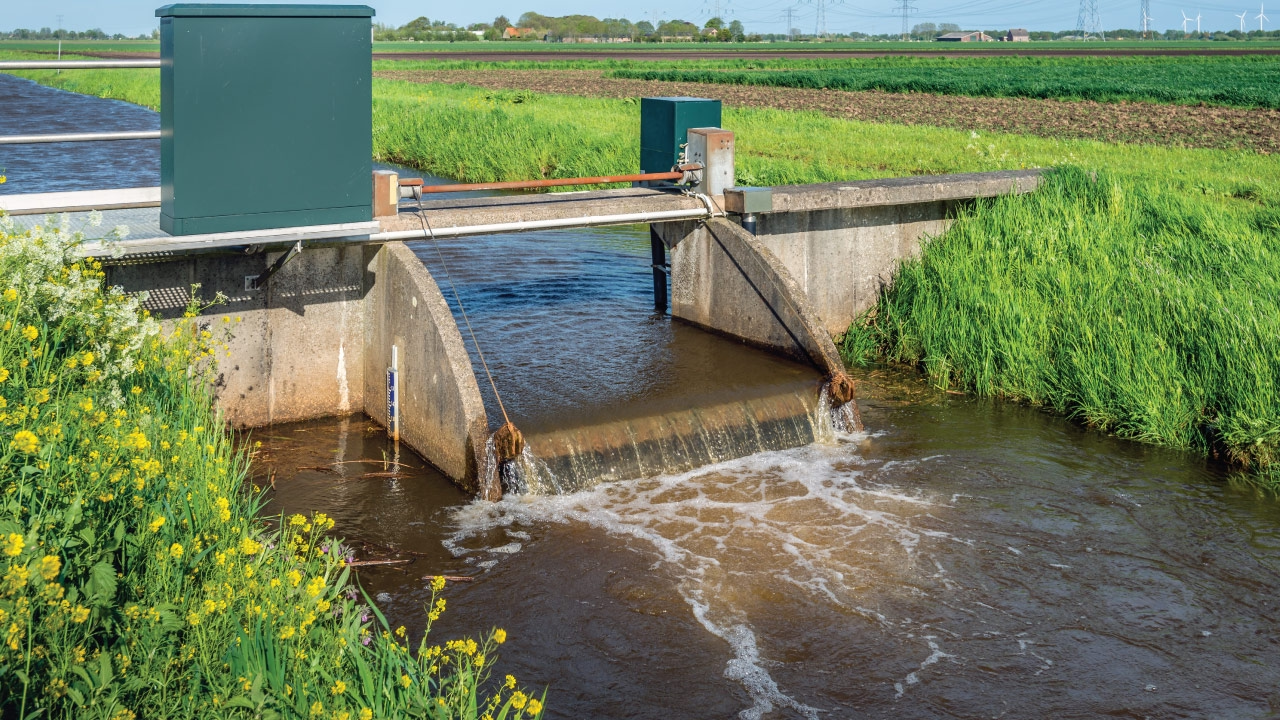
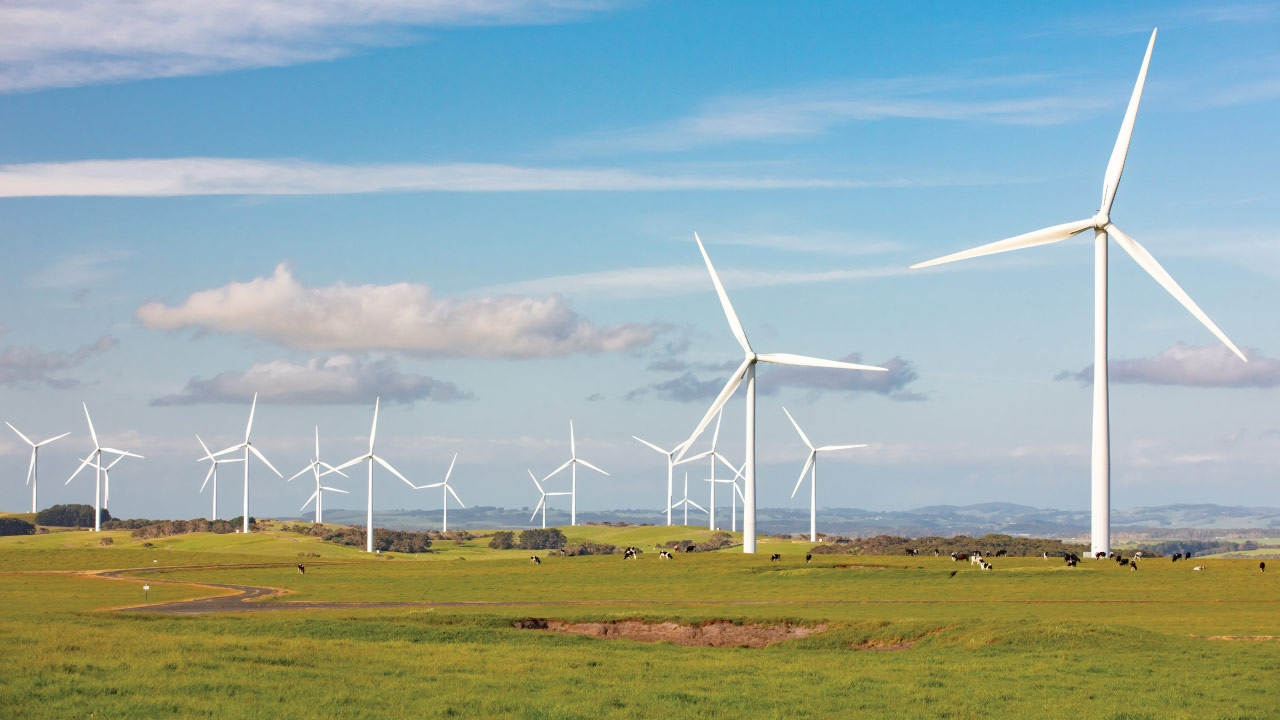
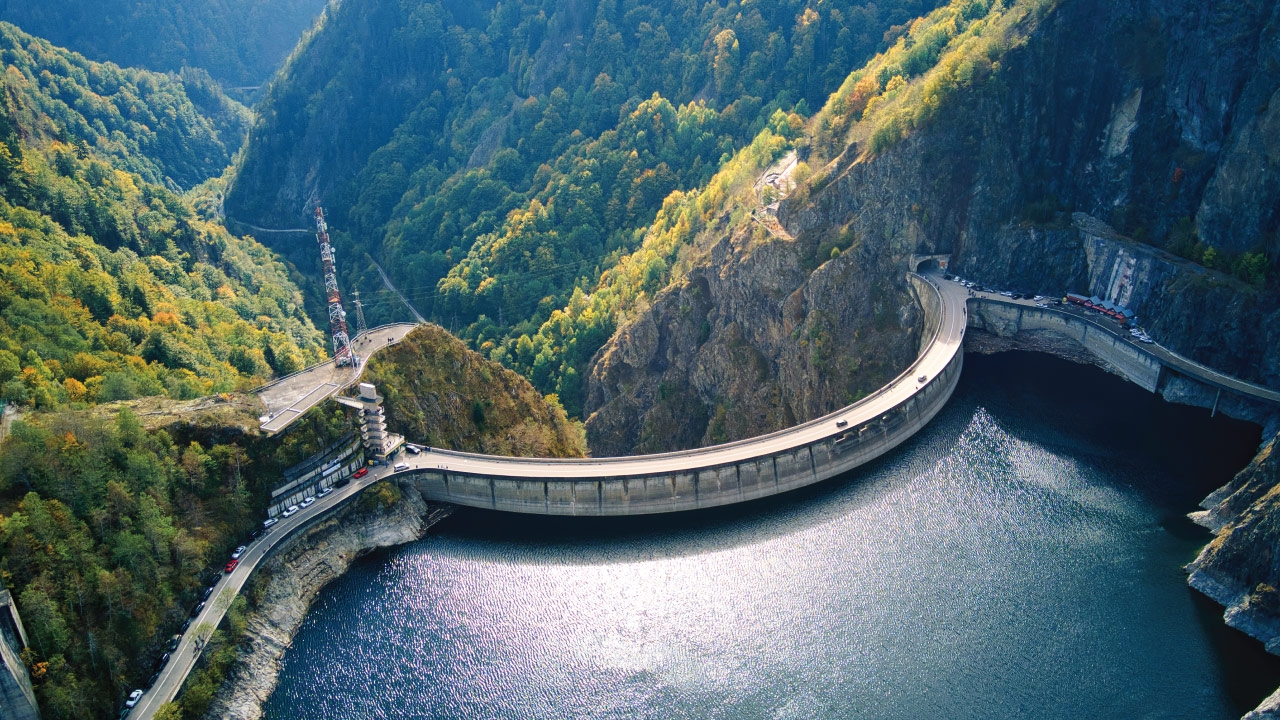
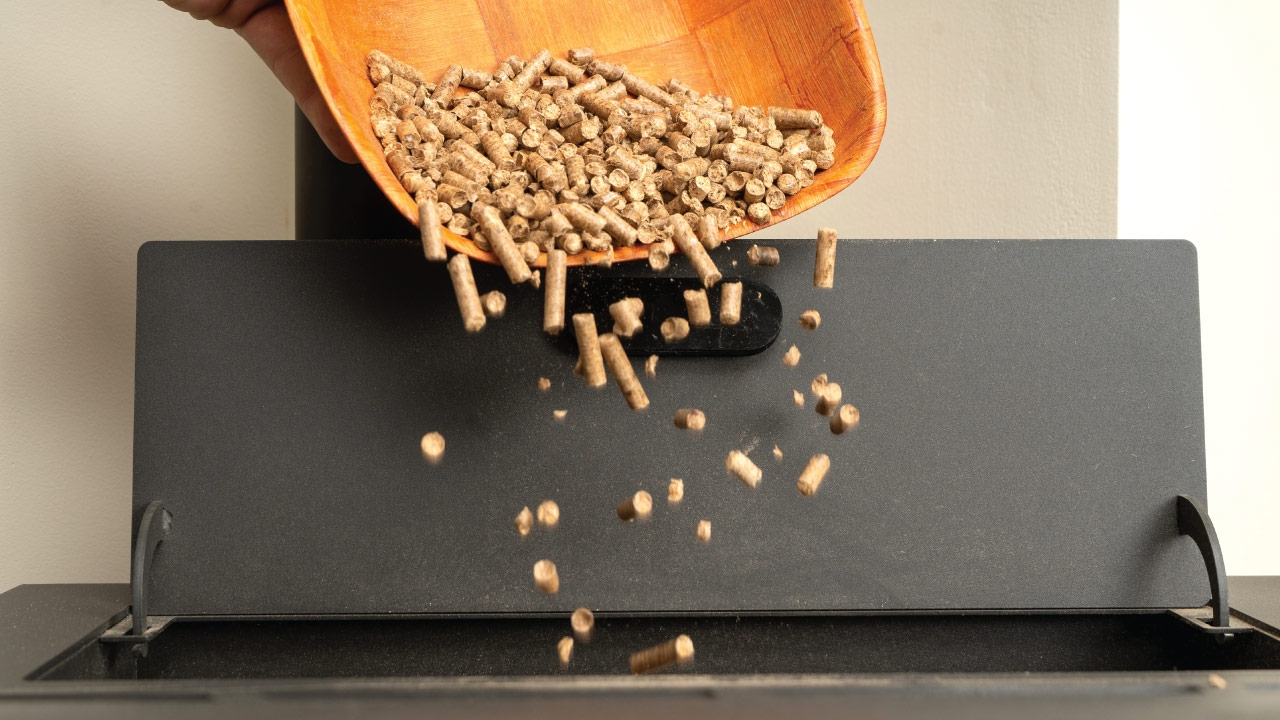
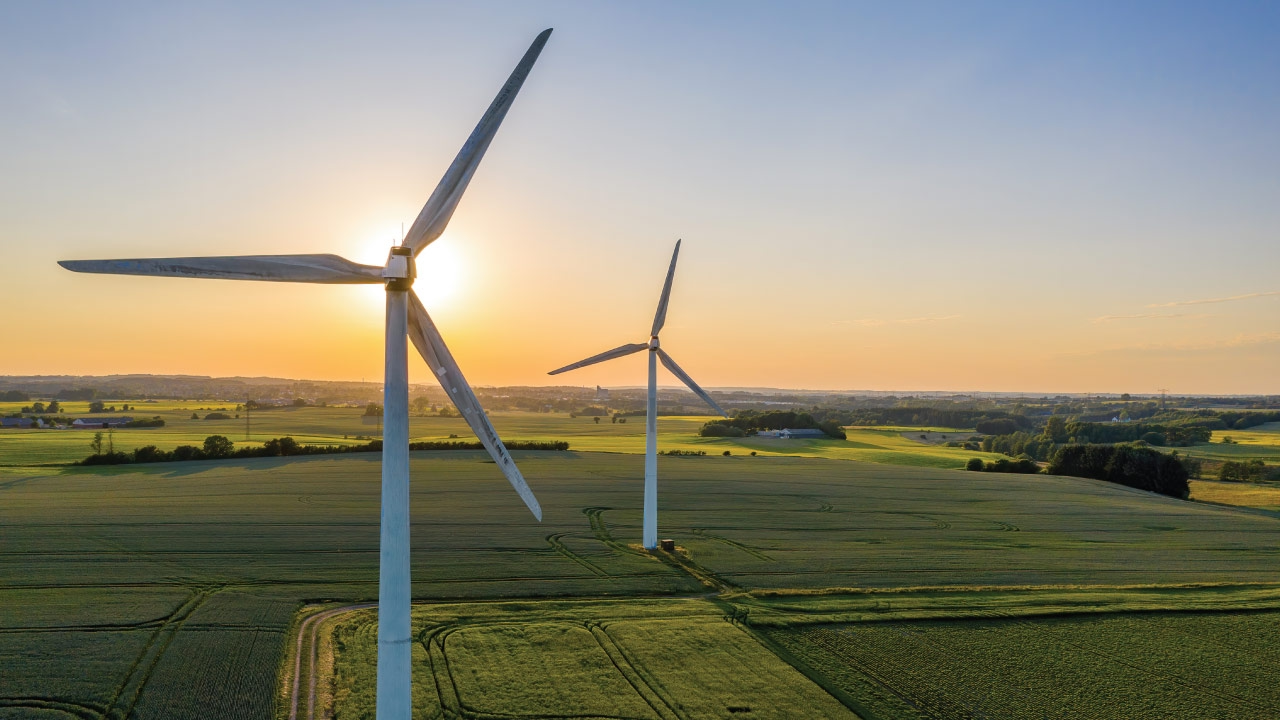
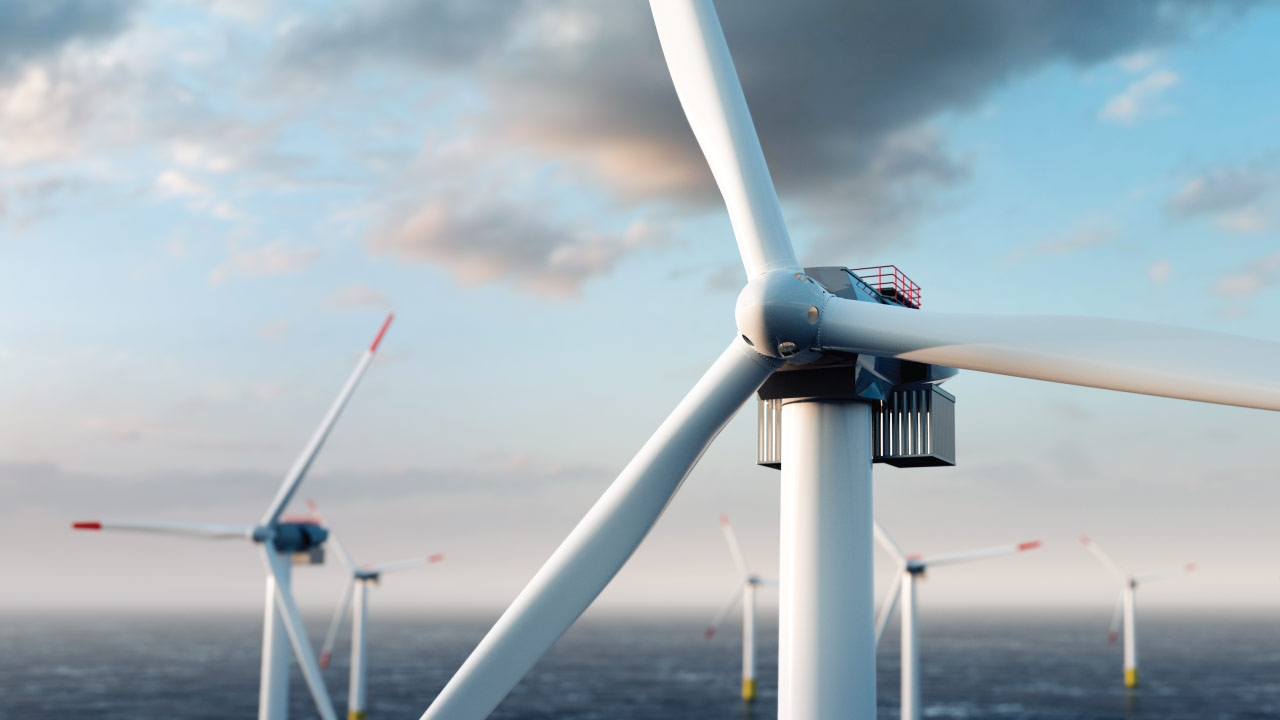
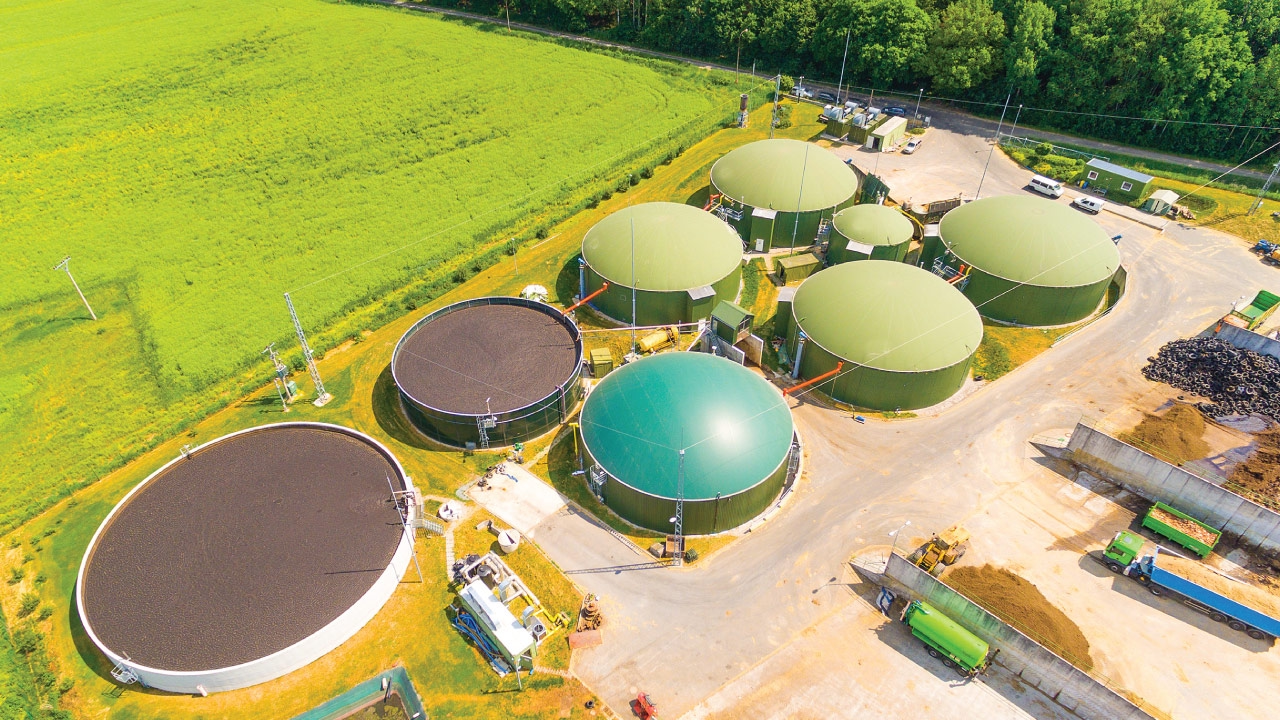
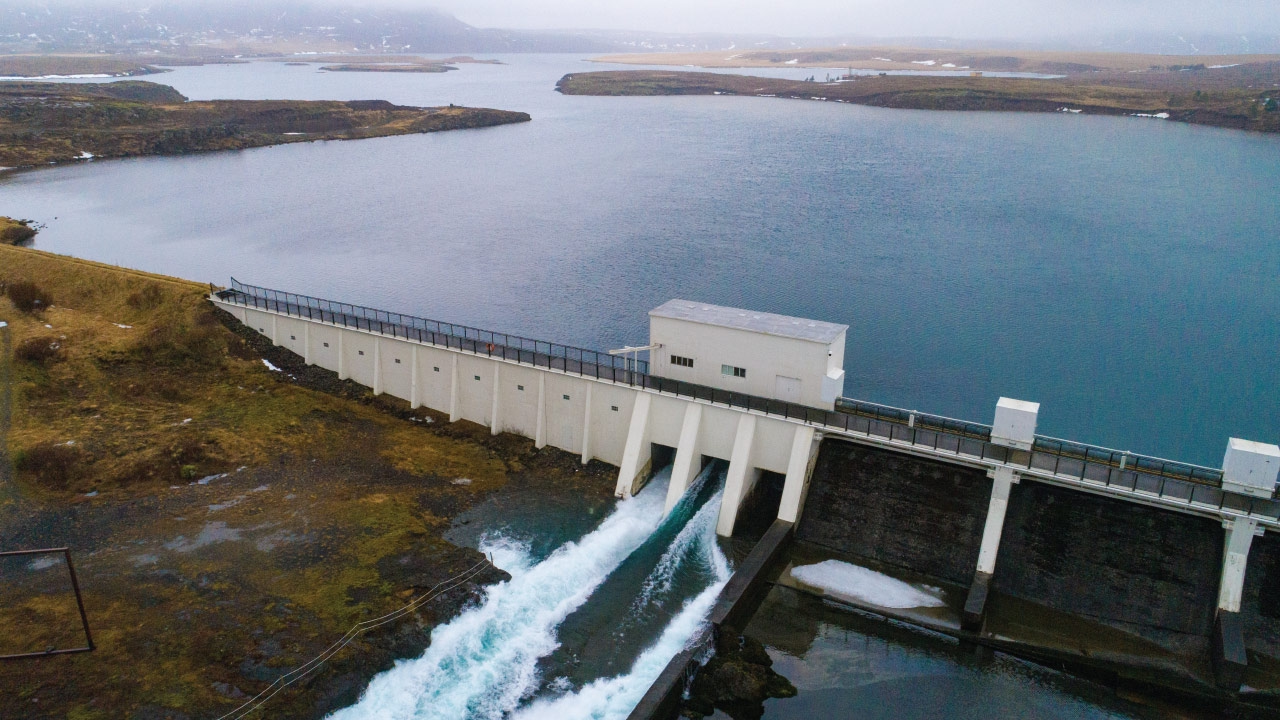
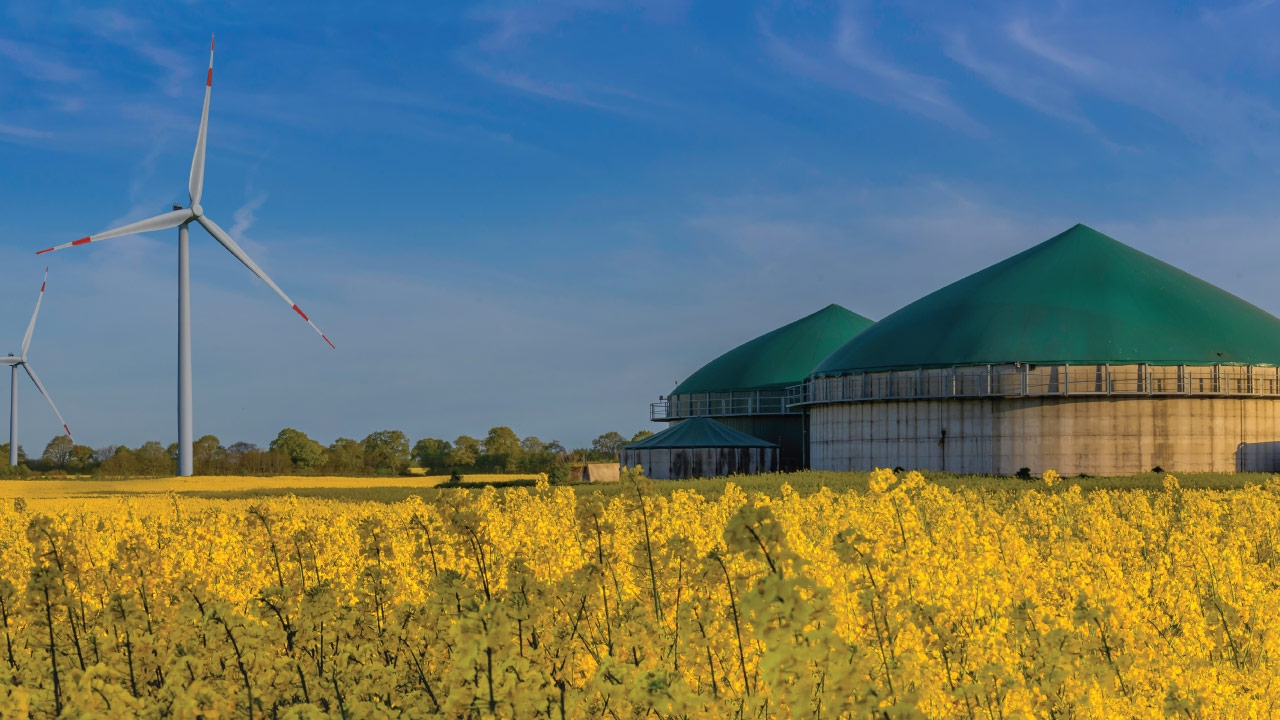
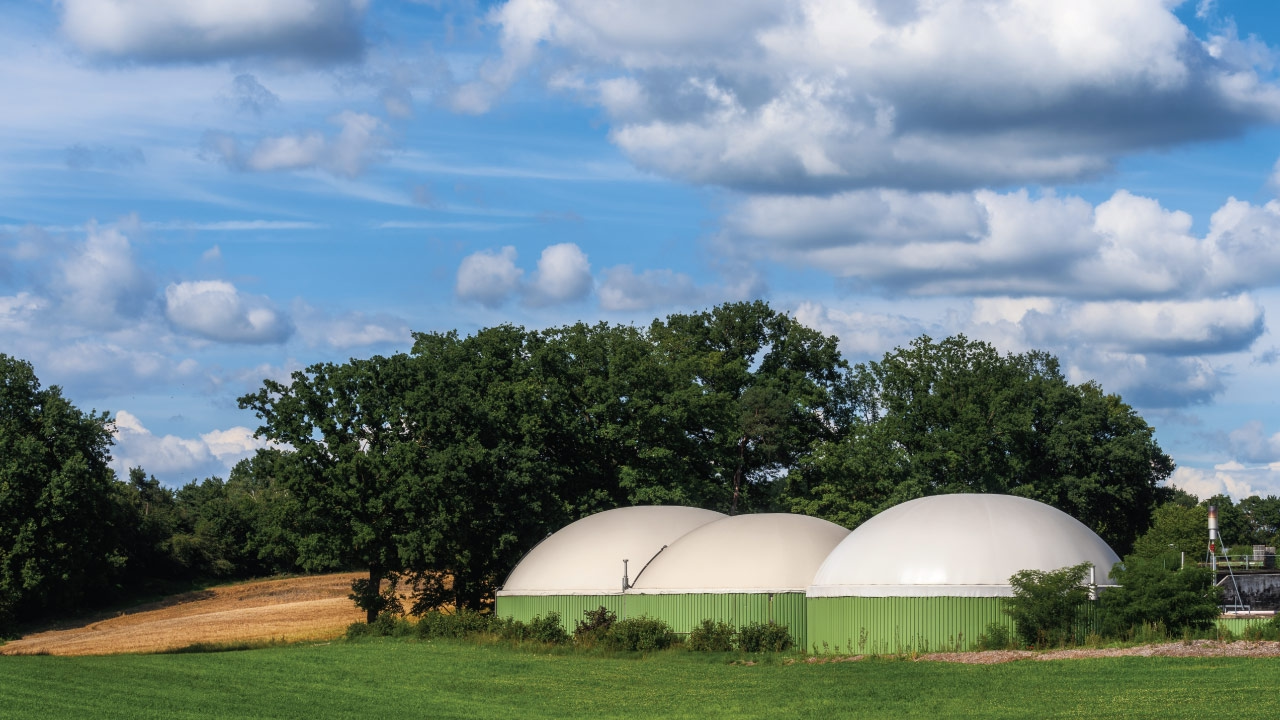
The credits are retired against registered climate projects: biogas and biomass on farms, forest restoration and REDD+, wind, solar, hydro and bio-based construction. The list below is read straight from the IMPT project register.
Descriptions come from the register itself and are published in English. The register has no project in Cape Verde today; the rest are in the app.


Buy or gift verified offsets
You do not have to book a room to fund a tonne. Both vouchers live in the IMPT app.
Worth knowing: the offset on a booking is funded by the booking. The vouchers are a separate thing you can buy or give away; a stay does not need one.
Carbon in Cape Verde: questions
Why do flights dominate a Cape Verde trip's emissions?
Long-haul flights burn large amounts of fuel per passenger, and most visitors reach the archipelago by air. Local transport, desalination and electricity also produce emissions, but usually on a smaller scale. The practical response is fewer, longer trips, shared transport and slower travel between islands. Check current schedules before planning.
Does Cape Verde have large blue carbon stores?
No. The archipelago has very little mangrove or seagrass, so its blue carbon story is small. The marine value lies in coral communities, reef fish, turtles, whales and seabirds. Cape Verde's reefs are counted among global hotspots for reef fish and corals, with many species found nowhere else. Protection should focus on those habitats.
When can loggerhead turtles be seen nesting?
Nesting runs roughly July to October, mainly on Boa Vista and also on Sal and Maio. Females come ashore at night, and hatchlings emerge later. Only licensed projects should lead night walks. Keep lights off, stay back and follow wardens. Dates shift, so check with the protected area authority or a licensed local project.
Where can humpback whales be seen?
Humpback whales use Cape Verde waters to breed roughly March to May, with Boa Vista and Sal among the areas where trips operate. Choose licensed wildlife operators that keep distance, limit speed and avoid crowding. Sightings are never guaranteed. Check current wildlife rules and local advice before booking.
Is turtle meat still sold in Cape Verde?
Turtle hunting and the sale of turtle meat are illegal. Enforcement and local attitudes vary, but the law is clear. Visitors should not buy turtle products or accept them as gifts, and should report offers to the authorities where possible. Support licensed conservation projects and wardens instead. Nesting beaches need dark, quiet conditions.
How can water use be lowered on holiday?
Fresh water is scarce, and most drinking water on Sal, Boa Vista and in Praia and Mindelo comes from energy-intensive desalination. Refill from large containers or filtered sources where safe, carry a reusable bottle and avoid many small plastic bottles. Ask accommodation about safe refill points. Short showers and careful laundry also help.
What powers Cape Verde's electricity?
Electricity has relied heavily on imported fuel. Wind farms on Santiago, São Vicente, Sal and Boa Vista and growing solar supply part of demand. The government has set ambitious renewable targets, but storage and grid capacity affect progress. Treat targets as policy aims and check official updates. Desalination, cooling and transport share the same island power system.
How can travel between the islands be lower carbon?
Use ferries between neighbouring islands where schedules allow, and shared aluguers for road journeys. Choose one or two bases rather than several short stops, and limit inter-island flights. Keep a buffer day before an international flight because weather can delay ferries. Check current schedules with the operator or port authority. Walking is a low-carbon option on Santo Antão and Fogo.
What does the IMPT offset cover?
Every hotel booking made through IMPT funds one tonne of verified CO₂ offset. The offset is included in the price and reported for each trip. It sits alongside choices that reduce local pressure on water, reefs and wildlife. The offset does not erase the trip's climate impact, and no booking should claim otherwise.
Sources: IMPT project register (platform.impt.io), Cabo Verde government environment and energy information, IUCN, national turtle conservation programmes. Editorial review: 4 November 2026.