
 5★
Short answer
No non-stop flight links Cape Verde and Angola, so plan on one change of plane, usually in Lisbon, with about 6 hours in the air plus the connection. Luanda suits three to four nights. Base in the Baixa for the old city, Ilha do Cabo for the sea, or Talatona for space. May to September is cooler and drier.
Flight
≈ 6 h + connection
Usually with a change; check current routes; normally with a change; check schedules
Airport
NBJ
Dr. António Agostinho Neto International Airport
Best time
May to September
cooler, drier season
Stay
3 to 4 nights
Add 2 nights for the south
Time zone
Cape Verde UTC−1
check the local offset
Getting from Cape Verde to Luanda
By air
Dr. António Agostinho Neto International Airport (NBJ) lies well outside the centre, and the road in crosses a long stretch of new development. Allow time for the transfer, and agree any taxi fare before setting off. There is normally no non-stop flight from Cape Verde: a change of plane is needed, usually in Lisbon, so check current routes before booking.
Departures can start from Praia (RAI), Sal (SID), Boa Vista (BVC) or São Vicente (VXE), but not every island airport has a convenient connection to the same hub. Flying time is about 6 hours plus the connection. Schedules change with the season, so check current timetables when you book.
Connections and onward travel
There is no road or rail link between the islands and the mainland, so flying is the only practical way. Expect a change of plane, most often in Lisbon, where the Cape Verde and Angola routes meet. Some itineraries put the change elsewhere in Europe or West Africa. Build in a buffer if the onward ticket is separate, because island weather can delay the first leg.
Where to stay in Luanda
Baixa & Marginal
Central and walkable, with the old city, the bay promenade and the main museums close by. Best for a first visit and for anyone without a car.
Ilha do Cabo
A peninsula of seafood restaurants and low-key bars along the water, popular for evenings. Suits travellers who want the coast and a short drive into the centre.
Talatona
A newer district south of the centre with embassies, shopping centres and space. Suits longer stays, families and business travellers who prefer quiet and parking.
Alvalade
A calm residential quarter with wide avenues, cafés and easy access to the airport road. Good for a few nights if you want somewhere local rather than central.
Top things to do in Luanda
- Marginal promenade: The bayfront curve links the port, the old fort and the newer city. A walk at sunset shows the shape of Luanda in an hour.
- Fortaleza de São Miguel: A sixteenth-century fort above the bay, now a museum. The ramparts give the clearest view over the Marginal and Ilha do Cabo.
- Cidade Alta: The upper town's colonial streets, ministries and churches. Walk up from the Baixa and look back over the harbour.
- Museu Nacional de Antropologia: Masks, instruments and everyday objects from Angola's many peoples. A useful introduction to the country's languages and traditions.
- Ilha do Cabo beaches: The sand strip along the peninsula faces the Atlantic and fills at weekends. Weekdays are quieter and easier for swimming.
- Agostinho Neto mausoleum: A tall monument on the bayfront honouring Angola's first president. The plaza and the exterior are the draw.
- Miradouro da Lua: Eroded cliffs south of the city on the road to the Kwanza river. Best in the late afternoon light.
- Museu Nacional da Escravatura: A small museum at Morro da Cruz, south of the centre, on the history of the Atlantic slave trade from Angola.
- Kissama National Park: Wildlife reintroduction has brought animals back to this coastal plain. A long day out, best arranged with a guide.
- Live semba and kizomba: Bars in the Baixa and on Ilha do Cabo host live Angolan music. Ask locally which venue is playing.
Three days in Luanda
- Day 1: Baixa and the bay: Start in the lower town: the fort above the bay, the colonial streets and the mausoleum on the waterfront. Walk the Marginal in the late afternoon, then eat on Ilha do Cabo.
- Day 2: Museums and the upper town: The anthropology museum fills a morning, with Morro da Cruz and its slave trade museum to the south. Climb to Cidade Alta for churches and views, then keep the evening for music.
- Day 3: South to the Kwanza: Drive south past the Miradouro da Lua to the Kwanza river mouth and the national park inland. A full day with a driver, back for a last evening on the peninsula.
Add a night for Kissama National Park, or two for the coast south of the Kwanza. Check road conditions and park access locally before setting out.
Best time to visit Luanda
May to September brings the cooler, drier season in Luanda, with less rain and easier days for walking the Baixa and the Marginal. Cape Verde is at its driest from November to June, so May and June work for both halves of a trip. Rain in Luanda falls mostly outside that window, and forecasts are worth checking before booking.
Getting around Luanda
- Taxi: Agree the fare before setting off, and arrange the return in advance at night.
- Candongueiro: Shared minibuses run the main routes; ask where they stop and travel light.
- Hire car: Useful for Talatona and day trips south, though central traffic is heavy and parking scarce.
Luanda vs Cape Verde: what feels different
Luanda is a big capital, so scale is the first difference: traffic, high-rise blocks and a long waterfront rather than a small island town. Portuguese is the everyday language of the city, and Kriolu is not widely spoken. The cooking leans on funge, muamba and palm oil instead of cachupa, the heat is more humid, and the music runs closer to semba and kizomba than to morna.
Before you go
- Documents: Carry your passport, and check entry rules with the Angolan embassy or the migration service (SME) before booking.
- Money: Angola uses the kwanza. Cards work in hotels and larger shops; carry cash for markets and smaller places, and check the current rate.
- Language: Portuguese is the everyday language. A few Portuguese phrases help in markets, taxis and outside the centre.
- Health: Check vaccinations and malaria advice with a travel clinic well before flying, and confirm whether a yellow fever certificate is needed for entry.
Entry rules: see the Angola page and check the official consular pages before booking.
Hotels in Luanda
Nine hotels from the IMPT hotel database in Luanda’s main areas, 5-star first, then 4-star, with guest score inside each tier. No prices are shown here: each button opens live availability for your dates in the IMPT app, and every booking funds one tonne of verified CO₂ offset.
5★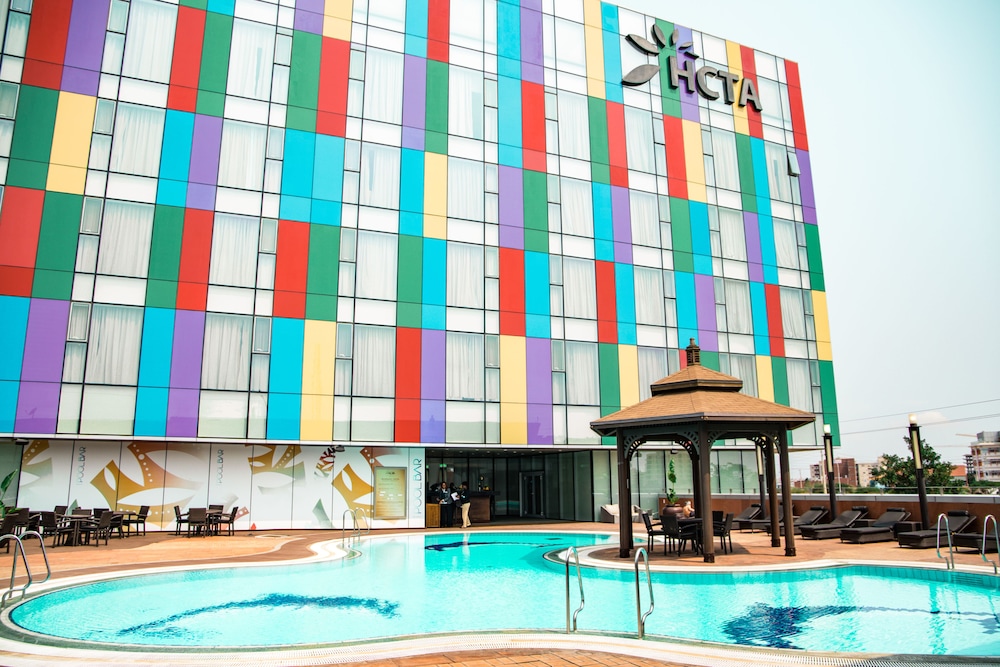 5★
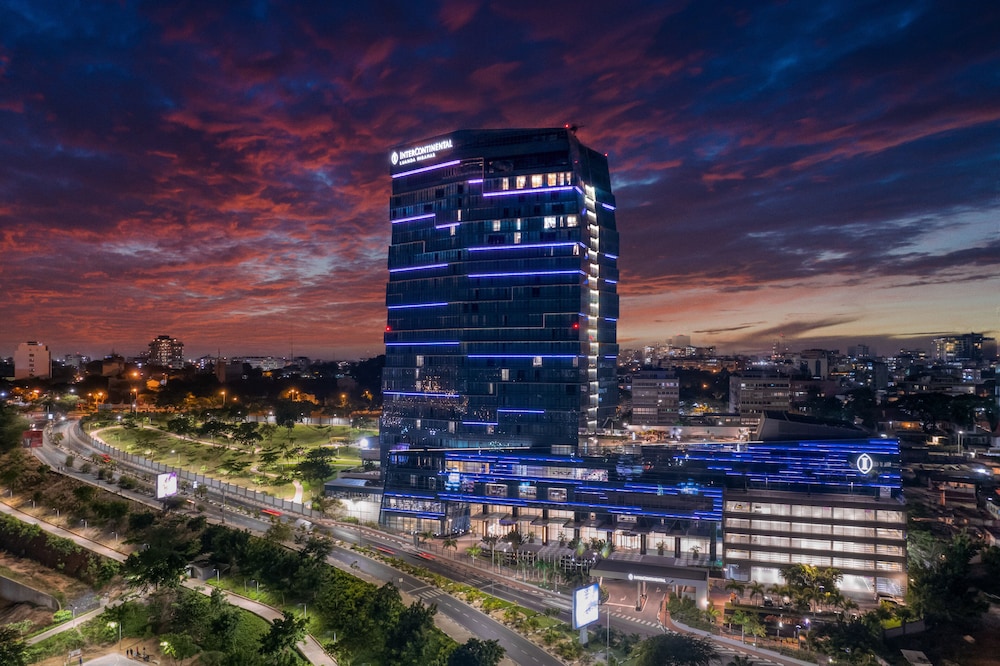
Talatona Convention Hotel
Talatona, Luanda · 5-starGuest score 4.5/5 from the booking supplier · 189 reviewsSee live price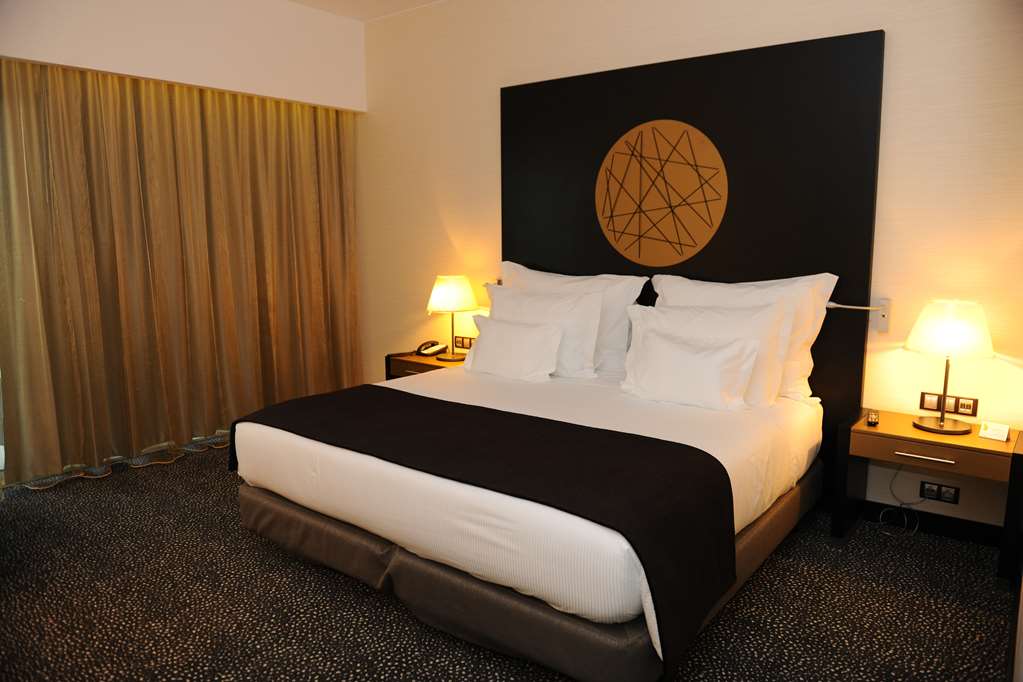 5★
Epic Sana Luanda Hotel
Baixa & Marginal, Luanda · 5-starGuest score 4.4/5 from the booking supplier · 3048 reviewsSee live price 5★
Hotel Express
Alvalade, Luanda · 5-starGuest score 4.0/5 from the booking supplier · 95 reviewsSee live price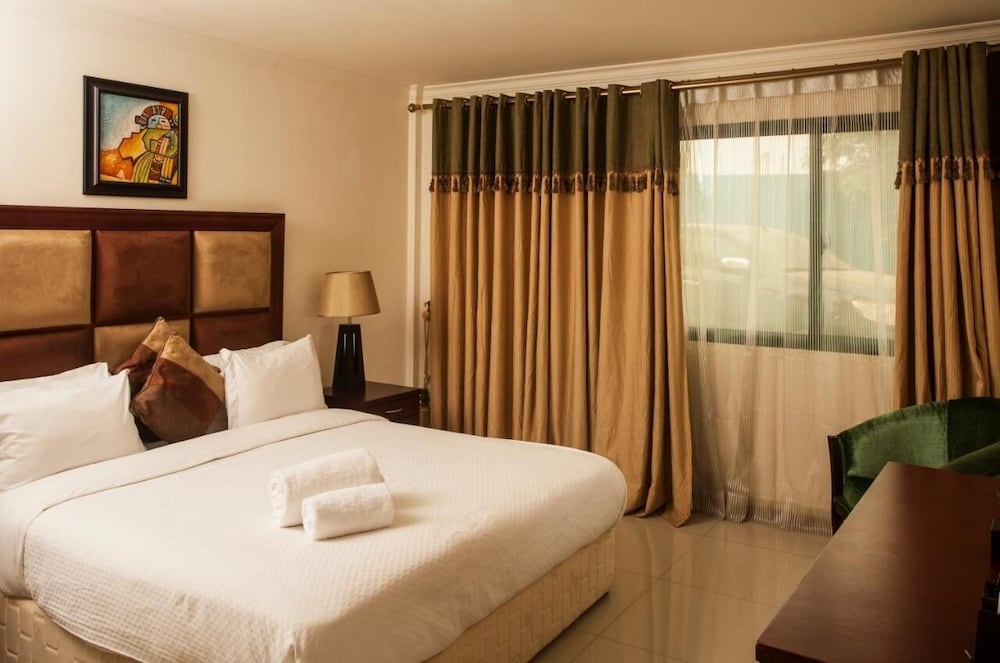 4★
Chick
≈ 3 km from Talatona, Luanda · 4-starGuest score 4.7/5 from the booking supplier · 74 reviewsSee live price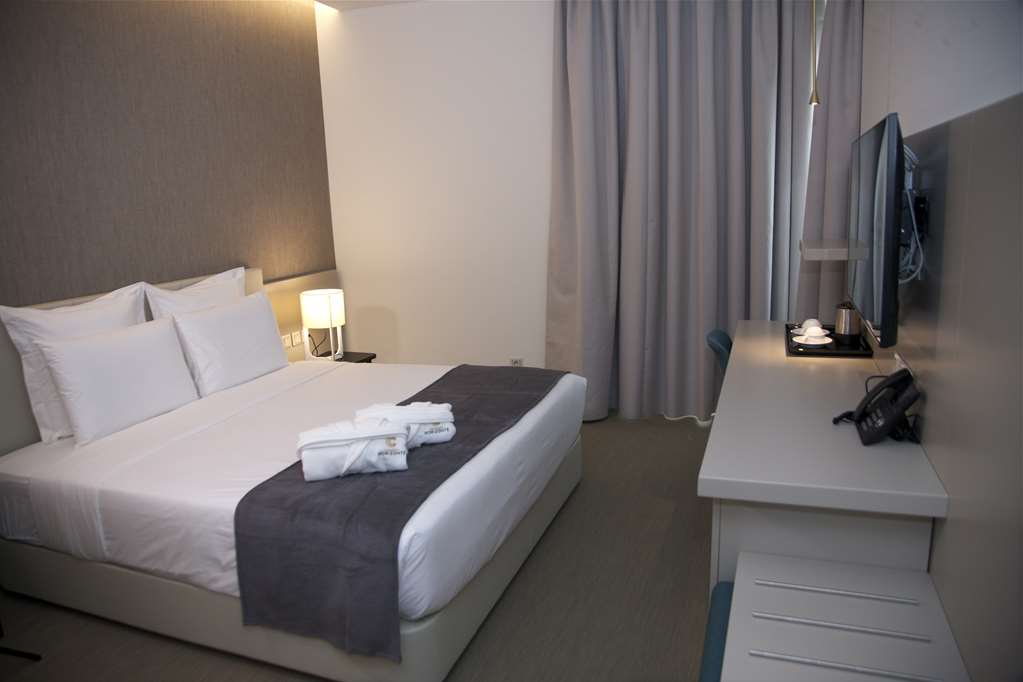 4★
Hotel Continental Horizonte
Alvalade, Luanda · 4-starGuest score 4.6/5 from the booking supplier · 89 reviewsSee live price 4★
Palmeiras Suite Hotel
Talatona, Luanda · 4-starGuest score 4.3/5 from the booking supplier · 1140 reviewsSee live price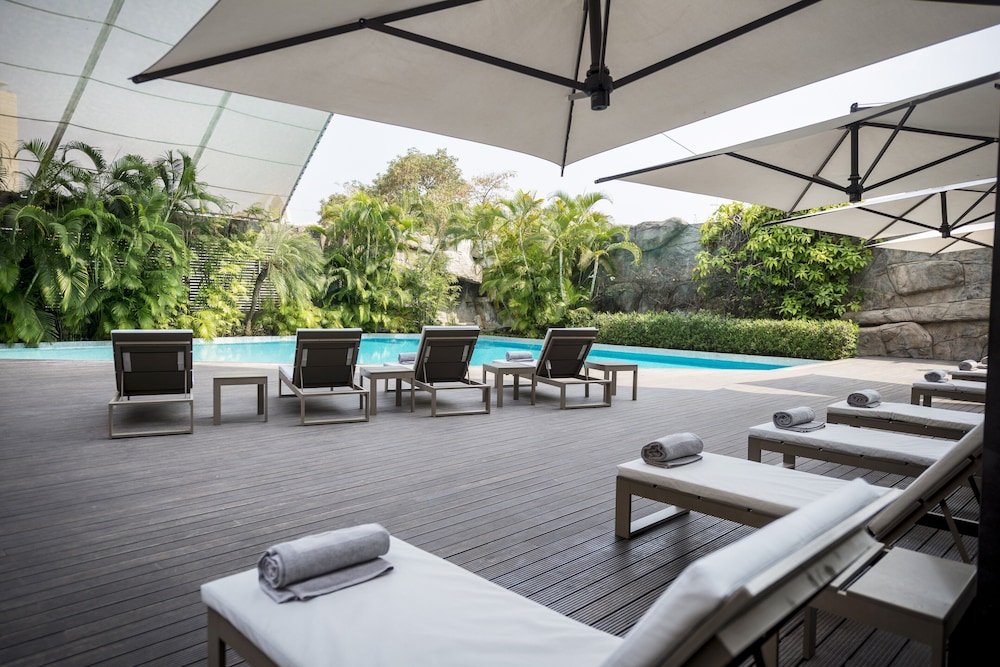 4★
Tropico
Baixa & Marginal, Luanda · 4-starGuest score 4.2/5 from the booking supplier · 1613 reviewsSee live price 3★
Samba Hotel
≈ 3 km from Alvalade, Luanda · 3-starGuest score 3.8/5 from the booking supplier · 489 reviewsSee live priceFrequently asked questions
Is there a non-stop flight from Cape Verde to Luanda?
Normally no. Journeys between the two go with a change of plane, most often in Lisbon, though other European or West African hubs can work. Flying time is about 6 hours plus the connection. Check current routes when you book, because they change with the season.
Which Cape Verde airport should you fly from to Luanda?
Praia (RAI), Sal (SID), Boa Vista (BVC) and São Vicente (VXE) all have international departures, but connections differ by island and season. Sal and Praia usually offer the widest choice. Compare the whole journey, including the change of plane, rather than the first leg alone.
When is the best time to go to Luanda from Cape Verde?
May to September is the cooler, drier season in Luanda and the easiest time for walking the city. Cape Verde is driest from November to June, so May or June suits both halves of a trip. Rain in Luanda falls mostly outside that window, so check forecasts before booking.
Where should you stay in Luanda?
The Baixa and Marginal put you in the old city with the bay on the doorstep. Ilha do Cabo is for the coast and evening restaurants, Talatona for space and longer stays, Alvalade for a quiet residential base with easy road access. Choose by how much driving you want.
Do Cape Verdean passport holders need a visa for Angola (Luanda)?
Angola has eased visa rules for many nationalities in recent years, but the rules change. Check before booking with the Angolan embassy or Angola's migration service (SME). Carry proof of accommodation and onward travel, and confirm what applies to your passport.
How many days do you need in Luanda?
Three to four nights covers the Baixa, the Marginal and Ilha do Cabo at an easy pace. Add a day for the museums and Cidade Alta, and another if you want the coast south of the city. Longer stays suit Talatona or Alvalade.
What is the time difference between Cape Verde and Luanda?
Cape Verde keeps UTC-1 all year with no daylight saving. Angola is UTC+1 all year, so Luanda is two hours ahead of the islands. Neither country changes its clocks, which makes the gap simple to plan around.
What should you eat in Luanda?
Funge with fish or calulu, muamba de galinha and grilled seafood along Ilha do Cabo. Portions are generous and meals are unhurried. Menus are in Portuguese, and the choice of restaurants is far wider than on the islands.
More from Cape Verde
Sources: airline schedules, airport operators, official tourism and immigration authorities. Editorial review: 4 November 2026, IMPT Cape Verde editorial team. Schedules, entry rules and opening times change; check before you go.