
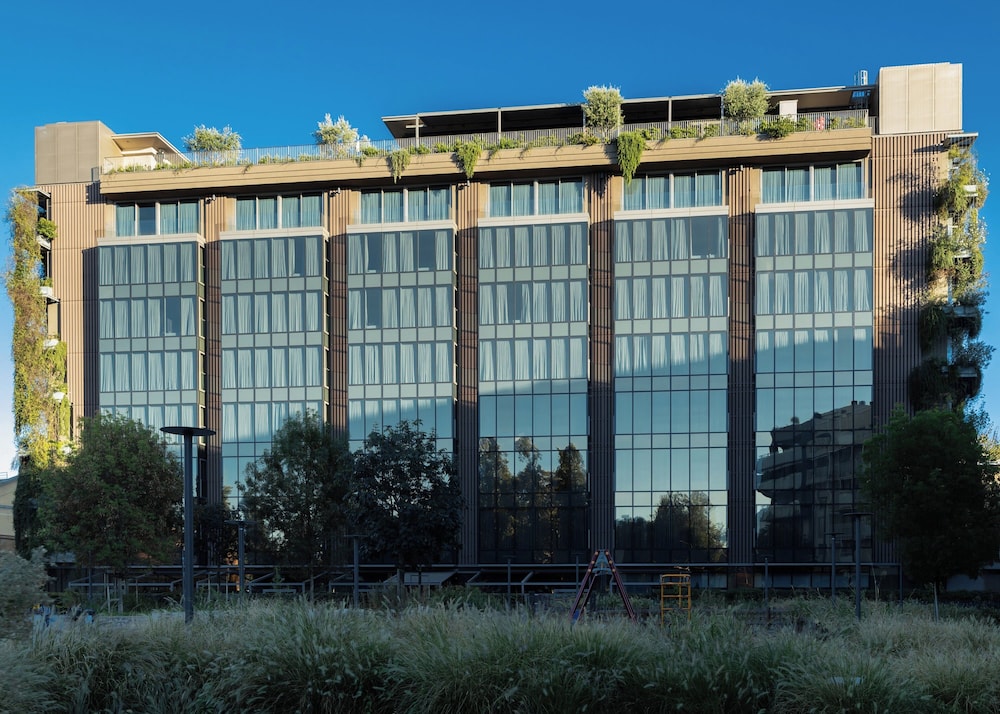
 5★
Short answer
Milan has no year-round non-stop link with Cape Verde. Seasonal holiday flights from Sal (SID) and Boa Vista (BVC) take about 6 h; otherwise the usual route is a change in Lisbon or another European hub. Allow three or four nights, based around the Duomo or the canals of Navigli. April to June and September to October give the best walking weather. Milan is a walking city, and the metro fills the gaps.
Flight
≈ 6 h
Seasonal holiday flights from SID / BVC; seasonal or occasional non-stops; check schedules
Airport
MXP
Milan Malpensa Airport
Best time
April to June and September to October
check the season
Stay
3 or 4 nights
add a day for Como
Time zone
Cape Verde UTC−1
check the local offset
Getting from Cape Verde to Milan
By air
Milan Malpensa (MXP) is the main gateway, set well north-west of the city in the Lombard plain. Trains run from the airport to Cadorna and Milano Centrale, and buses reach Centrale more slowly; a taxi takes longer again in traffic. Non-stop flights from Amílcar Cabral on Sal or Aristides Pereira on Boa Vista are seasonal holiday charters, so check schedules before booking and expect a change of plane in Europe for most of the year.
Travellers starting on Santiago, São Vicente or Fogo usually reach Sal or Boa Vista on a domestic flight first, because the seasonal charters leave from those islands. Domestic schedules are limited and change with the season, so check before booking and allow a night between legs rather than a tight same-day connection.
Connections and onward travel
There is no road or rail link between Cape Verde and Europe, so flying is the only practical option. Most journeys outside the seasonal charters connect in Lisbon, and some routes pass through other European hubs. Compare total journey time rather than the leg from Sal alone, and keep a buffer day at either end in case an inter-island ferry or domestic flight is delayed. Milan is a common first stop before trains to the lakes.
Where to stay in Milan
Duomo
The most central choice, with the cathedral, the Galleria and the metro on the doorstep. Best for a short first visit and for anyone who wants everything within walking distance.
Brera
Quiet stone lanes north of the centre, with the Pinacoteca, small galleries and aperitivo bars. Suits travellers who want evenings on foot and a calmer base than the Duomo streets.
Navigli
Canals south of the centre, once working waterways and now the evening district. Good for food and bars, and a relaxed base, though the Duomo is a walk or a short tram ride away.
Porta Nuova
Modern towers, offices and the Bosco Verticale, close to Milano Centrale and the airport trains. Practical for business trips and for late arrivals, less atmospheric for a first holiday.
Top things to do in Milan
- Duomo and its roof: The cathedral terraces give views over the city and, on clear days, to the Alps. Take the stairs or the lift and arrive early to avoid queues.
- Cenacolo Vinciano: Leonardo's Last Supper, in the refectory of Santa Maria delle Grazie. Numbers are limited and booking ahead is essential, especially in spring and autumn.
- Castello Sforzesco: A fifteenth-century fortress with courtyards, museums and Michelangelo's last sculpture. The park behind it is good for a slow afternoon.
- Navigli canal walk: Follow the Naviglio Grande and the Naviglio Pavese past locks, houseboats and old warehouses, stopping for lunch or an aperitivo by the water.
- Pinacoteca di Brera: One of Italy's great painting collections, with works by Raphael, Mantegna and Caravaggio, housed in a calm palazzo with a courtyard.
- Teatro alla Scala: The opera house opposite the Galleria. The museum covers its history; opera tickets need booking far ahead and often sell out.
- Galleria Vittorio Emanuele II: A nineteenth-century glass-roofed arcade linking the Duomo to La Scala, with mosaics, shops and the bull mosaic underfoot.
- Brera at aperitivo hour: Small galleries, antique shops and bars fill the lanes north of the centre. The area is at its best in the early evening.
- Day trip to Como: Trains from Milano Centrale run to Como; boats leave from the lakefront and a funicular climbs to Brunate for views across the lake.
- Cimitero Monumentale: A nineteenth-century cemetery of sculpture, cloisters and quiet paths, often empty and worth an hour of wandering.
Three days in Milan
- Day 1: Duomo and the centre: Start on the cathedral roof, then the Galleria and the Scala museum. Walk through the Quadrilatero to the Castello Sforzesco and its park, and finish with dinner in Brera, where the lanes stay busy late.
- Day 2: Art and canals: See the Last Supper on a booked slot and then the Pinacoteca di Brera and its lanes. In the late afternoon follow the Naviglio Grande, with an aperitivo by the water and a slow walk back through the centre.
- Day 3: Porta Nuova and monuments: Look at the modern towers and the Bosco Verticale, then take a tram across town to the Cimitero Monumentale. Leave the afternoon free for a museum, shopping or a last wander before the flight home.
Add a day for Lake Como, or two for Bergamo and the Lombard lakes. Book the Last Supper and any opera tickets well ahead, since both limit numbers and sell out in spring and autumn.
Best time to visit Milan
April to June and September to October are the most comfortable months, with mild days for walking and long evenings outdoors. July and August are hot and humid, and many Milanese leave the city, so some family-run places close for a few weeks. Winter is cold and often foggy, though the cultural calendar carries on. Whatever the season, check the forecast and carry a light rain jacket, since spring and autumn rain is common.
Getting around Milan
- Metro and tram: Tickets cover buses, trams and the metro within the city, and the network reaches most sights quickly.
- Walking: The historic centre is compact, with the Duomo, Galleria, La Scala and Castello within a single walk.
- Taxis: Ranks sit outside the stations and the airport; agree the fare or check the meter before setting off.
Milan vs Cape Verde: what feels different
Milan feels cooler and more formal than the islands, with four distinct seasons and a working year that does not follow the trade winds. Food is richer: risotto, veal and butter rather than cachupa and grilled tuna. Italian is the everyday language and English is patchy outside hotels. The pace is busier, the streets are full of offices and scooters, and dinner starts later. Coffee is taken standing at the bar, usually without milk after morning.
Before you go
- Documents: Cape Verdean passport holders generally need a Schengen visa for Italy and should check the Italian consular services before booking. EU, UK and many other passports enter visa-free for short stays.
- Money: Italy uses the euro. Cards work in most places, but small bars and markets may prefer cash, so keep some coins for buses and coffee.
- Language: Italian is the everyday language. English is common in hotels and at major sights, less so in neighbourhood cafés and on local buses.
- Time: Cape Verde stays on UTC-1 all year, while Milan moves to UTC+1 in winter and UTC+2 in summer, so the gap is two hours or three.
Entry rules: see the Italy page and check the official consular pages before booking.
Hotels in Milan
Nine hotels from the IMPT hotel database in Milan’s main areas, 5-star first, then 4-star, with guest score inside each tier. No prices are shown here: each button opens live availability for your dates in the IMPT app, and every booking funds one tonne of verified CO₂ offset.
5★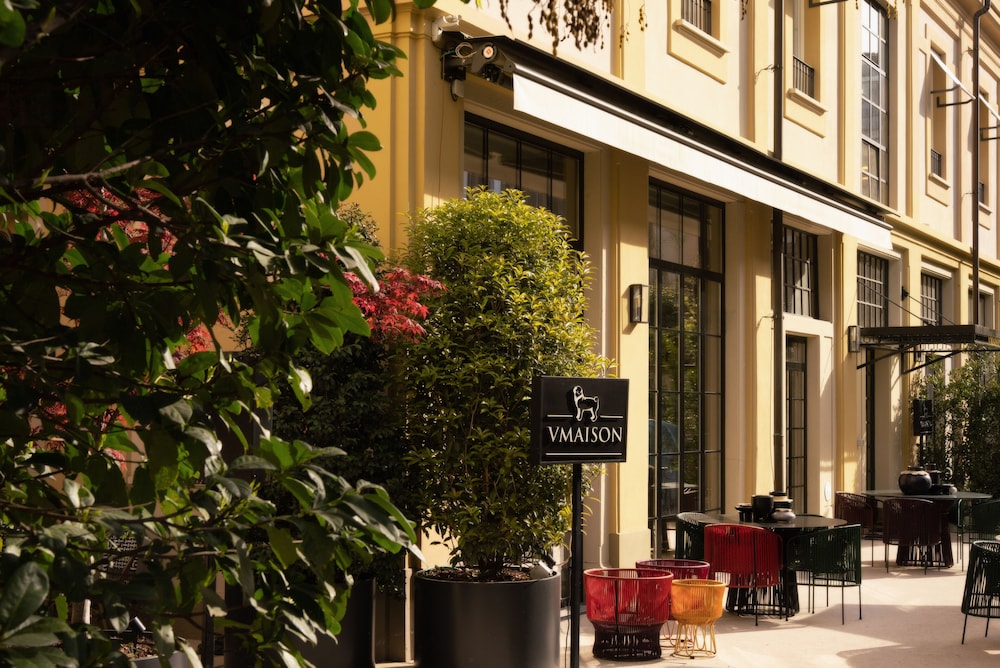 5★
Vmaison Brera Milano
Brera, Milan · 5-starGuest score 3.8/5 from the booking supplier · 104 reviewsSee live price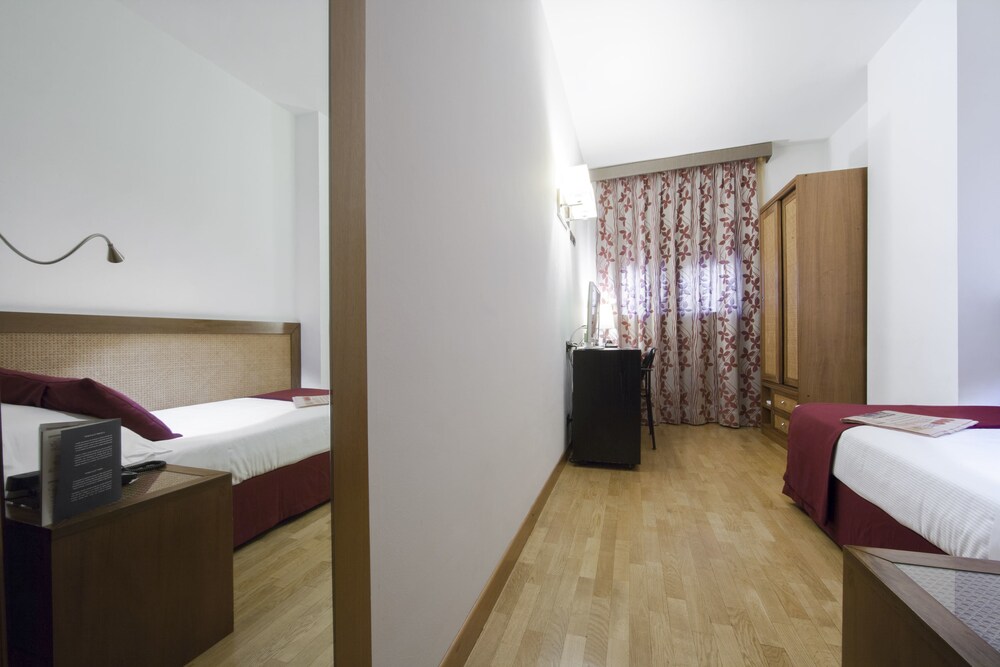 4★
Urban Hive Milano
Brera, Milan · 4-starGuest score 4.8/5 from the booking supplier · 502 reviewsSee live price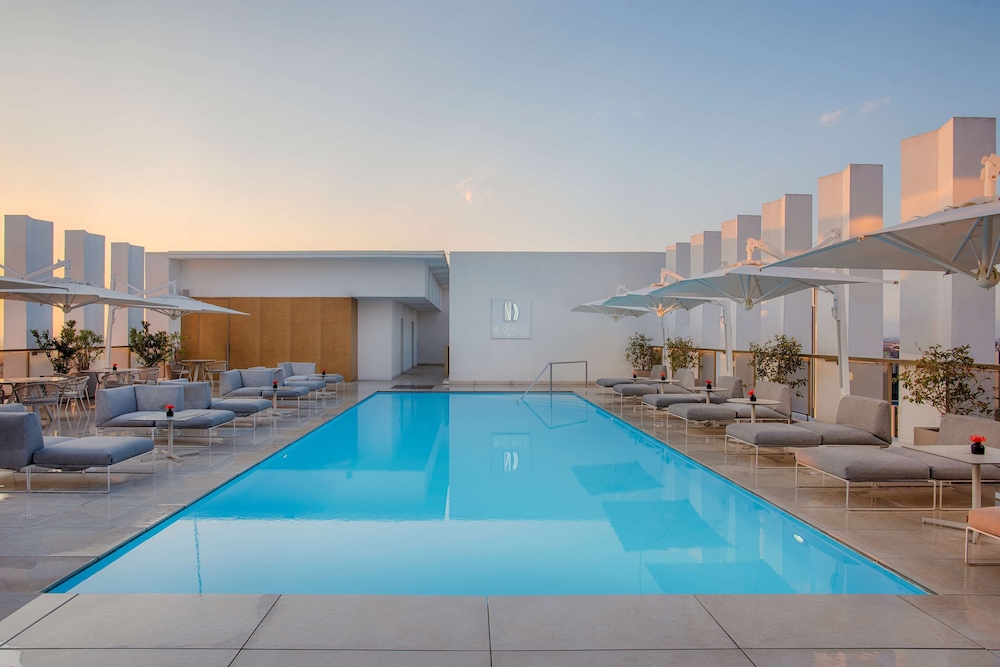 4★
NH Collection Milano CityLife
≈ 3 km from Brera, Milan · 4-starGuest score 4.6/5 from the booking supplier · 1085 reviewsSee live price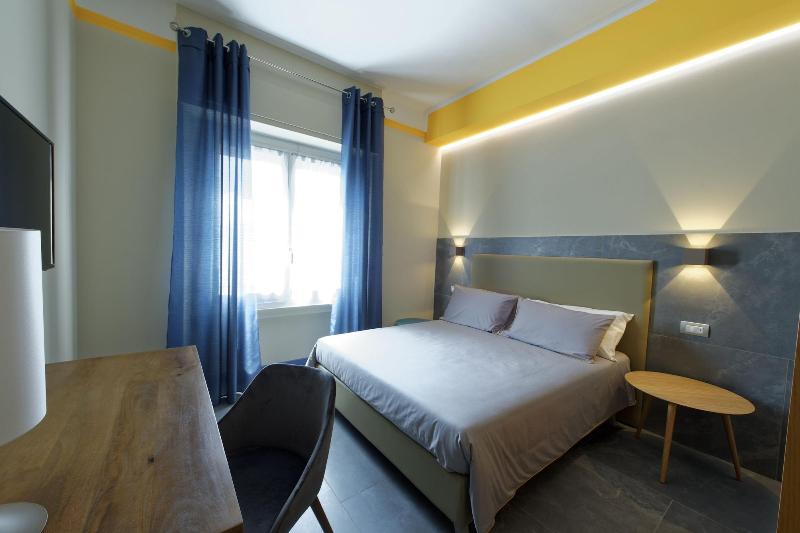 4★
Green Ribbon
≈ 2 km from Porta Nuova, Milan · 4-starGuest score 4.6/5 from the booking supplier · 38 reviewsSee live price 4★
Enterprise Hotel
≈ 3 km from Porta Nuova, Milan · 4-starGuest score 4.5/5 from the booking supplier · 3055 reviewsSee live price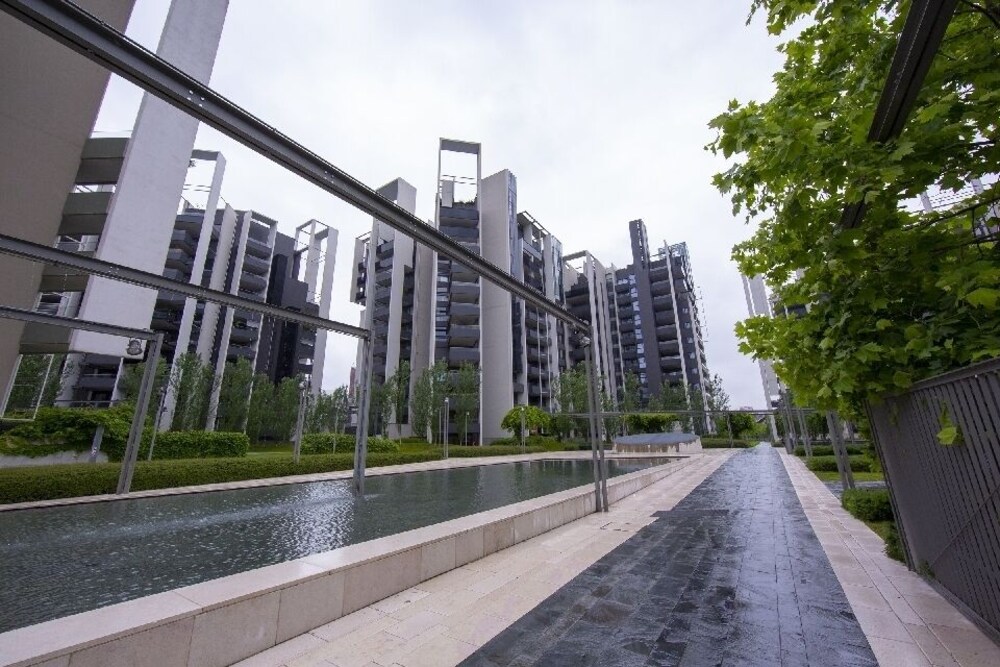 4★
TemporaryFlat Parco Vittoria D15
≈ 3 km from Porta Nuova, Milan · 4-starGuest score 4.5/5 from the booking supplier · 2920 reviewsSee live price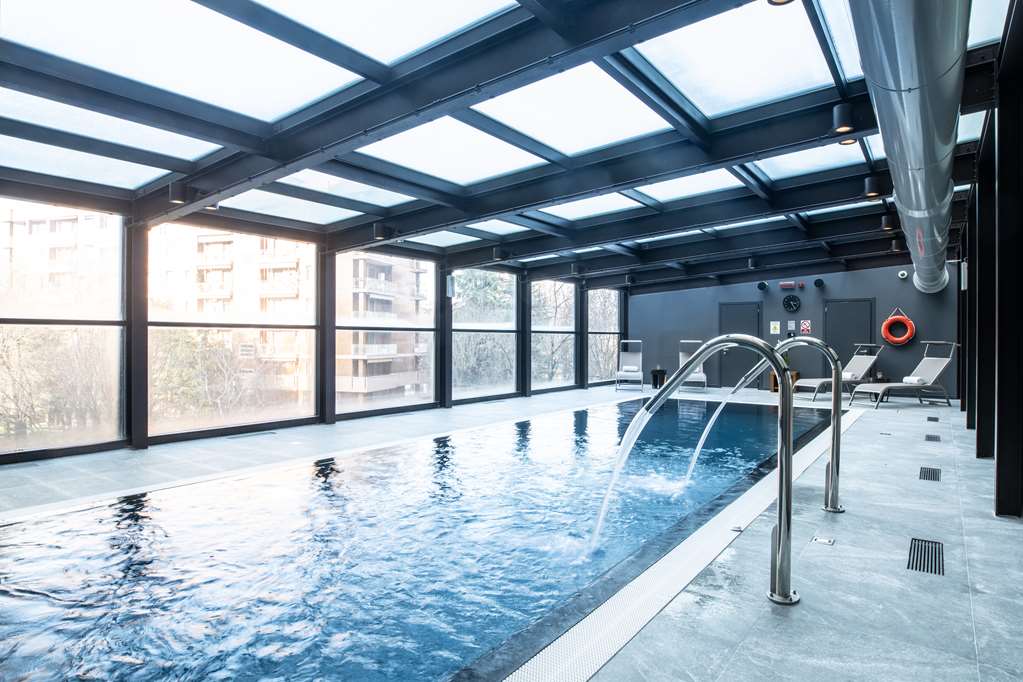 4★
Radisson Blu Hotel Milan
≈ 4 km from Porta Nuova, Milan · 4-starGuest score 4.5/5 from the booking supplier · 2893 reviewsSee live price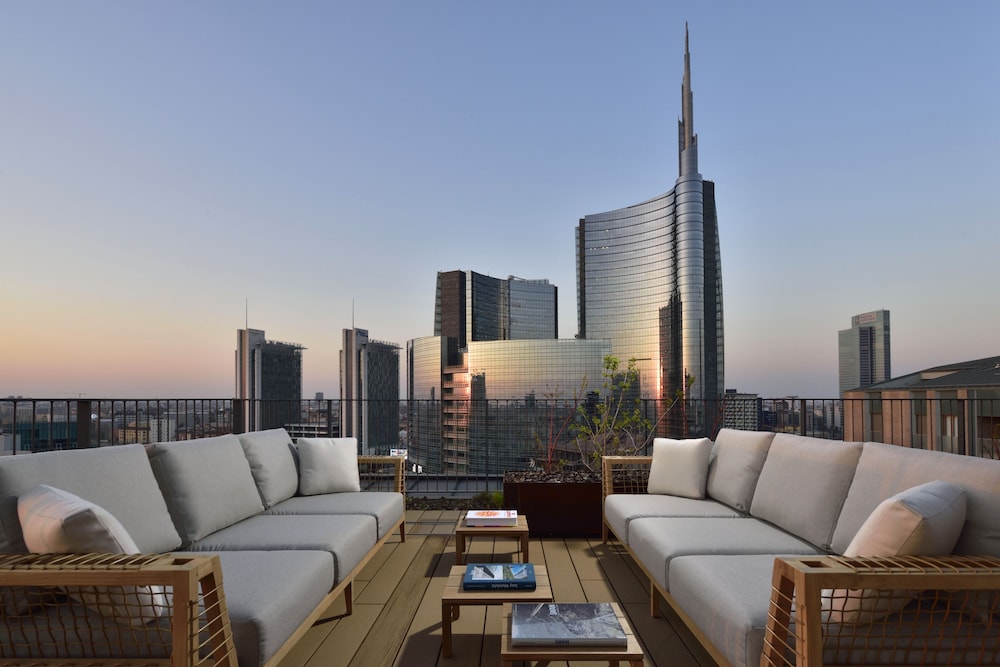 4★
Milano Verticale UNA Esperienze
Porta Nuova, Milan · 4-starGuest score 4.5/5 from the booking supplier · 953 reviewsSee live priceFrequently asked questions
How do you get from Cape Verde to Milan?
Seasonal holiday flights link Sal (SID) and Boa Vista (BVC) with Milan Malpensa, taking about 6 h. Non-stop service is not year-round, so check current schedules. Outside those dates the usual route is a change of plane in Lisbon or another European hub.
Where should you stay in Milan on a first visit?
The Duomo area puts the cathedral, the Galleria and the metro on the doorstep. Brera is calmer in the evening, with galleries and bars. Navigli suits anyone who wants canals, food and a relaxed base, while Porta Nuova is practical for business and late arrivals.
How many days do you need in Milan?
Three or four nights cover the Duomo, the Last Supper, the Brera galleries and the canals at an easy pace. Add a day for Lake Como or Bergamo. Anyone travelling from Cape Verde should also allow a buffer day, since inter-island connections and seasonal flights can shift.
When is the best time to visit Milan from Cape Verde?
April to June and September to October are the most comfortable, with mild weather for walking and long evenings. July and August are hot and humid, and many locals leave the city. Winter is cold and sometimes foggy, though museums and opera carry on as normal.
What is the time difference between Cape Verde and Milan?
Cape Verde stays on UTC-1 all year. Milan runs on UTC+1 in winter and UTC+2 in summer, so the gap is two hours from late October to late March and three hours for the rest of the year. Check the dates if you are calling family.
How do you get from Malpensa airport into Milan?
Trains run from the airport to Cadorna and Milano Centrale, and buses serve Centrale as well. A taxi is slower in heavy traffic. Buy a ticket before boarding and keep it for the barrier, and check the last service time if the flight lands late.
What should you eat in Milan?
Risotto, osso buco and cotoletta are the local standards, with panettone at Christmas. The city's aperitivo tradition fills the bars of Brera and Navigli before dinner. Vegetarians find plenty of choice, and the markets sell cheese, cured meat and rice from the Lombard plain.
Is Milan a good base for the lakes?
Yes. Trains from Milano Centrale reach Como, Varenna and Stresa, and many visitors take a day trip rather than moving hotels. Summer weekends are busy, so travel early. From Cape Verde, treat the lakes as an add-on of one or two nights before returning to Milan for the flight home.
More from Cape Verde
Sources: airline schedules, airport operators, official tourism and immigration authorities. Editorial review: 4 November 2026, IMPT Cape Verde editorial team. Schedules, entry rules and opening times change; check before you go.