
 4★
Short answer
There are no year-round non-stop flights from Cape Verde to Rome. Seasonal holiday services run at some periods; otherwise the route goes through Lisbon. Allow three or four nights in the city. April to June and September to October give the best weather for walking. The Centro Storico and Trastevere suit a first visit, Monti and Prati quieter stays.
Flight
≈ 6 h
Seasonal holiday flights, or via Lisbon; seasonal or occasional non-stops; check schedules
Airport
FCO
Leonardo da Vinci–Fiumicino Airport
Best time
April to June and September to October
check the season
Stay
3 or 4 nights
+1 for Ostia Antica
Time zone
Cape Verde UTC−1
check the local offset
Getting from Cape Verde to Rome
By air
Leonardo da Vinci airport at Fiumicino (FCO) is Rome's international gateway, on the coast south-west of the city. Non-stop flights from Sal, Praia, Boa Vista or São Vicente are seasonal, holiday or occasional, so check current schedules before booking. The reliable year-round option is a connection through Lisbon, which adds a change of plane but keeps the journey on one ticket. Flying time on a non-stop service is about 6 hours.
From Fiumicino, the Leonardo Express train runs to Roma Termini, and the FL1 regional train stops at Trastevere, Ostiense and Tiburtina. Trains beat road traffic at peak hours. Taxis wait at the official rank outside arrivals, and unsolicited offers in the hall are best ignored. Allow time for passport control, which is slower on non-EU passports.
Connections and onward travel
There is no road or rail link from Cape Verde, so flying is the only practical option. Most journeys involve one change, usually in Lisbon, and some routings add a second European stop. Book the whole trip on one ticket so a missed connection is covered, and keep a buffer night in Lisbon when travelling with family or heavy bags. Check current schedules and baggage rules before booking.
Where to stay in Rome
Centro Storico
Best for a first visit: the Pantheon, Piazza Navona and Campo de' Fiori sit within walking distance. Busy and costlier than other areas, but transport time falls away and most of the centre is on foot.
Trastevere
Across the river, with cobbled lanes and long evening meals. Good for a slower pace and for walking home after dinner. Reached on foot from the centre or by tram from Largo di Torre Argentina.
Monti
Behind the Colosseum, with small shops and calmer streets. Suits repeat visitors and anyone who wants ancient Rome on the doorstep. Metro stops at Cavour and Colosseo put the rest of the city within reach.
Prati
Near the Vatican, with wide avenues and good metro links on line A. Practical for early Vatican entries and for travellers who prefer order and space to medieval lanes.
Top things to do in Rome
- Colosseum and Forum: Book a timed entry and go early. The Forum and Palatine Hill share the same ticket, so allow half a day.
- Vatican Museums: The Sistine Chapel comes at the end of a long route. Reserve ahead and take the first slot of the day.
- St Peter's Basilica: Free to enter, with a separate climb to the dome. Dress modestly and expect security queues through the morning.
- Pantheon: The best-preserved Roman temple, with its open dome. Go at opening time or late afternoon for the light.
- Piazza Navona and Trevi: Fountains and a busy circuit of squares. Walk it early, before the day crowds fill the lanes.
- Borghese Gallery: Sculpture and painting in a garden villa. Timed entry only, so reserve well ahead and leave bags at the desk.
- Capitoline Hill: Michelangelo's square and the Capitoline Museums, with a wide view over the Forum from the terrace behind the town hall.
- Testaccio market: A food market away from the sight circuit, useful for lunch and for seeing how the city eats.
- Appian Way: The old Roman road south of the centre, with catacombs and pine-lined stretches for a walk or a cycle.
Three days in Rome
- Day 1: Ancient Rome: Start at the Colosseum with a timed entry, then the Forum and Palatine Hill. Walk up to the Capitoline terrace for the view, and finish with the Pantheon and Piazza Navona before dinner near Campo de' Fiori.
- Day 2: Vatican and Prati: Book the Vatican Museums for the first slot, then St Peter's Basilica and, if legs allow, the dome. Spend the afternoon in Prati and cross the river for an evening in Trastevere.
- Day 3: Galleries and markets: Borghese Gallery in the morning, reserved in advance, then the Spanish Steps and Trevi. Lunch at Testaccio market, and use the afternoon for the Appian Way or a slow walk back through Monti.
Add a day for Ostia Antica, the old Roman port, or a train to Tivoli for the villa gardens. Florence and Naples fit a long day by high-speed train.
Best time to visit Rome
April to June and September to October are the best months. Days are mild, evenings cool enough for walking, and the sights are busy but manageable with timed entries. July and August bring heat and heavy crowds, and some family-run places close for the holidays. Winter is quieter, cooler and wetter, with shorter days. Book the Colosseum and Vatican ahead in every season.
Getting around Rome
- Metro: Two lines cross the centre; line A serves the Vatican and line B the Colosseum.
- Walking: Most of the historic centre fits a long walk, with public fountains for refilling bottles.
- Trams and buses: Useful for Trastevere and Testaccio. Buy tickets from machines or kiosks and validate them on board.
Rome vs Cape Verde: what feels different
Rome feels heavier and faster than Cape Verde. Stone, traffic and crowds replace open horizons, and the climate is Mediterranean, with cool wet winters and a late spring. Italian is the everyday language, and English works at hotels and big sights. Food shifts from corn, beans and fish to pasta, bread and vegetables, and meals come later. The pace is urban: mornings start early, dinners run long.
Before you go
- Documents: Cape Verdean passport holders generally need a Schengen visa for Italy. EU, UK and many other passports enter visa-free for short stays. Check the Italian consular services before booking.
- Money: Italy uses the euro. Cards work almost everywhere, but keep some cash for markets and small bars.
- Language: Italian is spoken everywhere. English is common at hotels, museums and main stations, less so in neighbourhood shops.
- Tickets: Validate metro, bus and tram tickets on board. Random checks are frequent and inspectors do not accept excuses.
Entry rules: see the Italy page and check the official consular pages before booking.
Hotels in Rome
Nine hotels from the IMPT hotel database in Rome’s main areas, 5-star first, then 4-star, with guest score inside each tier. No prices are shown here: each button opens live availability for your dates in the IMPT app, and every booking funds one tonne of verified CO₂ offset.
4★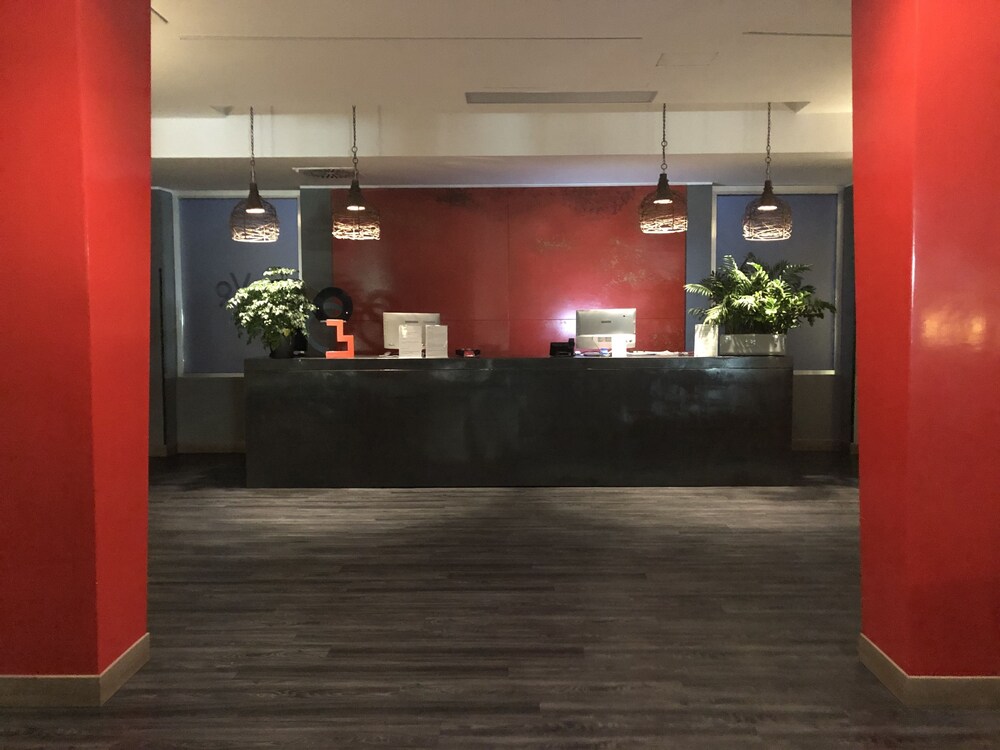 4★
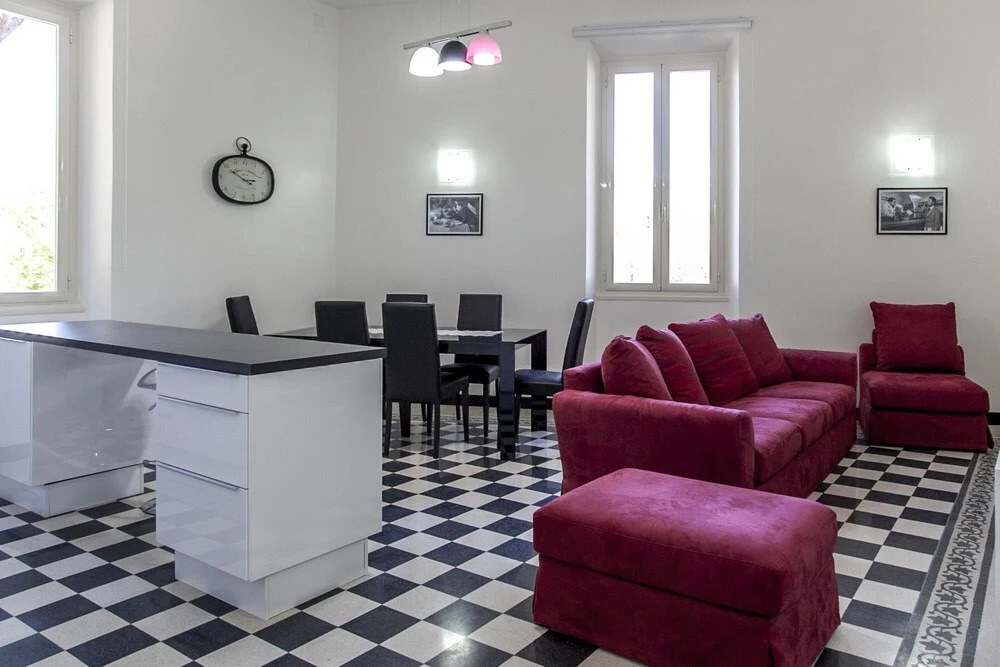
Hotel V99
≈ 3 km from Trastevere, Rome · 4-starGuest score 4.9/5 from the booking supplier · 60 reviewsSee live price 4★
Arcadia Domus
≈ 3 km from Prati, Rome · 4-starGuest score 4.8/5 from the booking supplier · 60 reviewsSee live price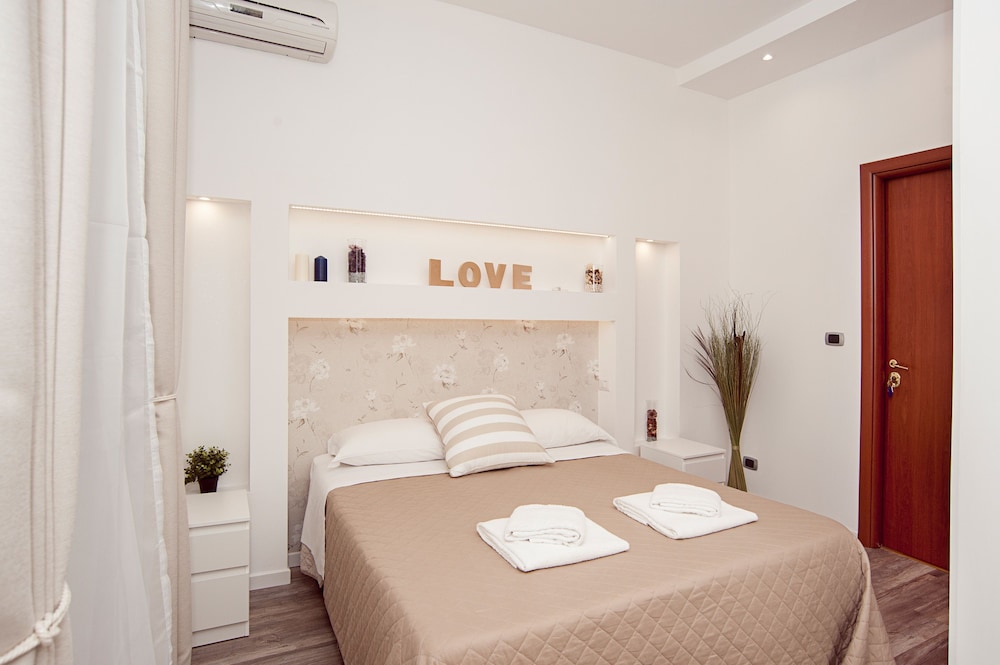 4★
MagicFiveRooms
≈ 3 km from Trastevere, Rome · 4-starGuest score 4.8/5 from the booking supplier · 32 reviewsSee live price 4★
Hotel Villa Pamphili Roma
≈ 3 km from Trastevere, Rome · 4-starGuest score 4.7/5 from the booking supplier · 2924 reviewsSee live price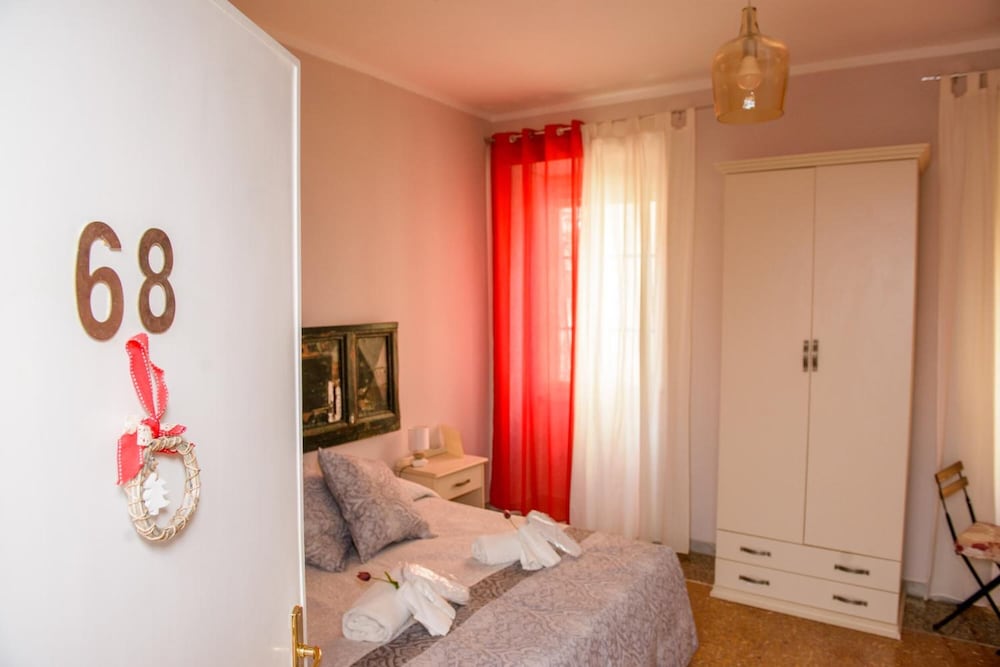 4★
Mondo Antico
≈ 3 km from Prati, Rome · 4-starGuest score 4.7/5 from the booking supplier · 112 reviewsSee live price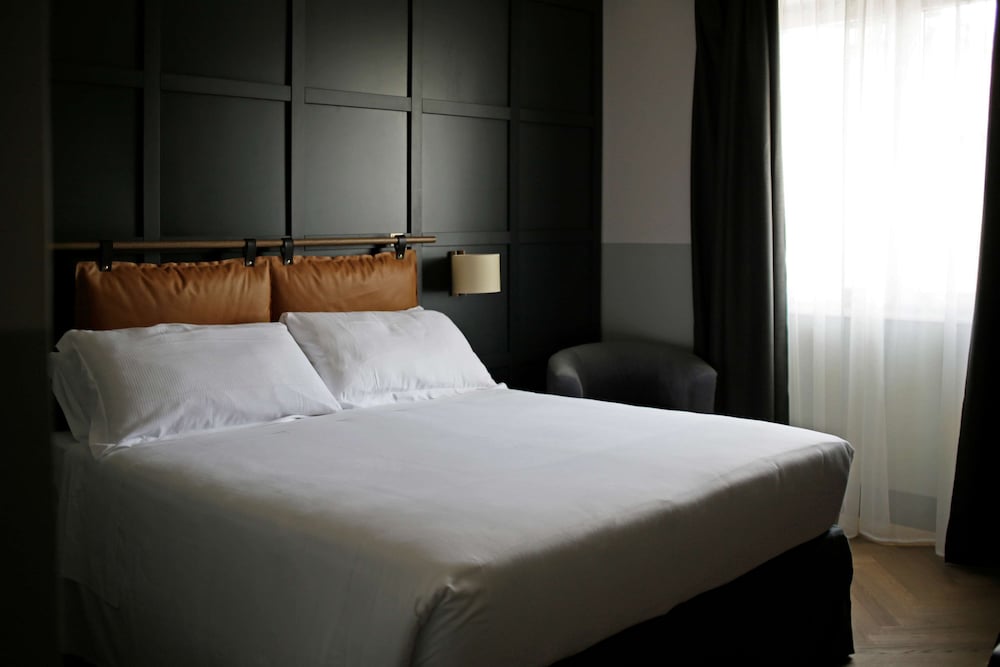 4★
c hotels Club House Roma
≈ 3 km from Prati, Rome · 4-starGuest score 4.4/5 from the booking supplier · 2698 reviewsSee live price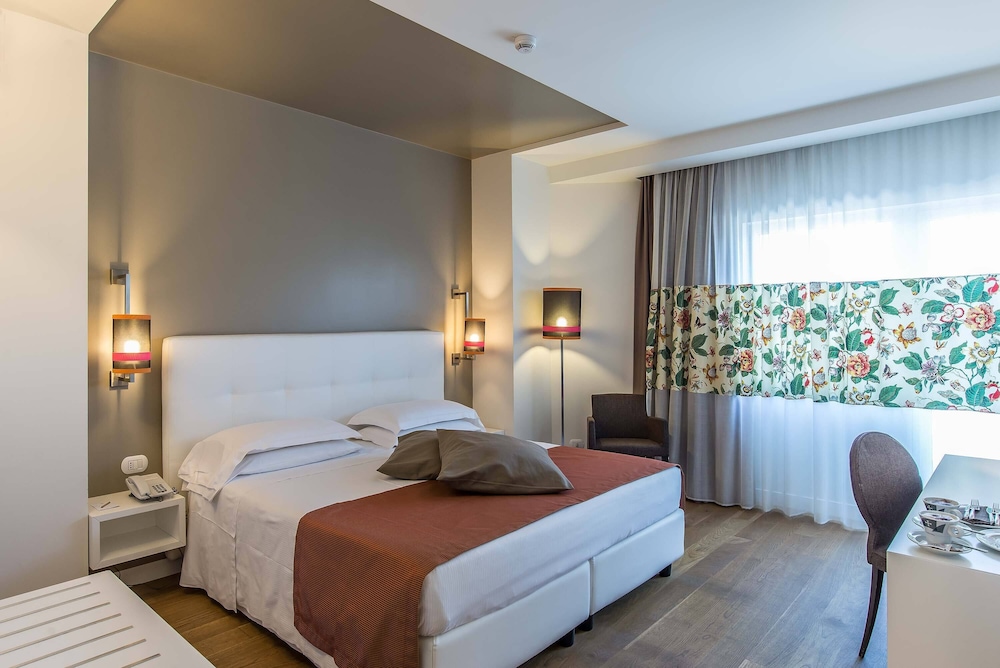 4★
Caravel
≈ 3 km from Monti, Rome · 4-starGuest score 4.1/5 from the booking supplier · 1877 reviewsSee live price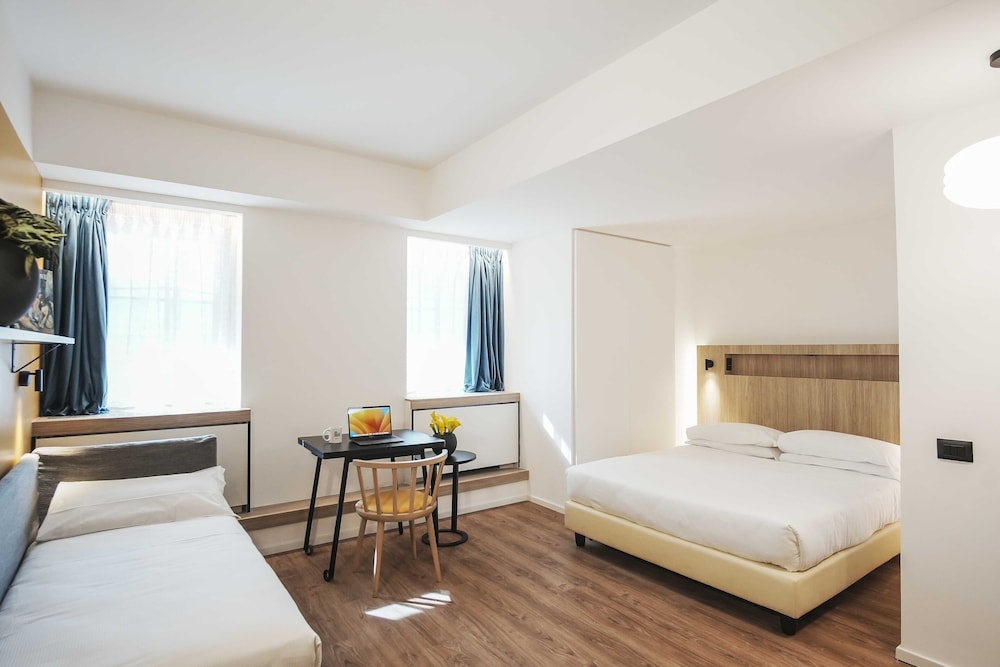 3★
Aparthotel Colombo Roma
≈ 3 km from Monti, Rome · 3-starGuest score 4.2/5 from the booking supplier · 742 reviewsSee live priceFrequently asked questions
How long does it take to fly from Cape Verde to Rome?
Non-stop services take about 6 hours, but they are seasonal, holiday or occasional and do not run every week. The usual routing goes through Lisbon, which adds a change of plane and a few hours. Check current schedules with the airline before fixing dates.
Do Cape Verdean passport holders need a visa for Rome?
Generally yes. Cape Verdean passport holders usually need a Schengen visa for Italy. EU, UK and many other passports enter visa-free for short stays. Rules change, so check the Italian consular services and the visa centre handling applications in Cape Verde well before booking flights.
When is the best time to visit Rome from Cape Verde?
April to June and September to October. Weather is mild, days are long and the sights stay manageable if you book ahead. July and August are hot and crowded, while winter is quieter but cooler and wetter. Travellers used to steady heat often find spring easiest.
How do you get from Fiumicino airport into Rome?
The Leonardo Express train runs to Roma Termini, and the FL1 regional train stops at Trastevere, Ostiense and Tiburtina. Trains beat road traffic at peak hours. Taxis wait at the official rank outside arrivals. Allow extra time for passport control on a non-EU passport.
Where should you stay on a first visit to Rome?
The Centro Storico puts the Pantheon, Piazza Navona and Campo de' Fiori within walking distance. Trastevere suits slower evenings across the river, Monti is calm and close to the Colosseum, and Prati works well for the Vatican and the metro. Three or four nights covers the main sights from any of them.
How many days do you need in Rome?
Three or four nights cover the Colosseum and Forum, the Vatican and the squares of the centre at an unhurried pace. Add a day for the Borghese Gallery or the Appian Way, and another for Ostia Antica or Tivoli. A slower first morning helps after the flight.
What is the time difference between Cape Verde and Rome?
Cape Verde stays on UTC-1 all year, with no daylight saving. Rome runs two hours ahead in winter and three hours ahead in summer, when Italian clocks go forward. The gap is small, but mornings arrive early for the first day or two.
What should you book ahead for Rome?
Timed entries for the Colosseum, the Vatican Museums and the Borghese Gallery sell out in busy months. Book direct with the official sites rather than through resellers. Tables in Trastevere fill on weekend evenings, and shoulder months still reward booking a week or two ahead.
How does eating in Rome differ from Cape Verde?
Rome eats on pasta, bread, vegetables and pork, with meals later than in Cape Verde and coffee taken standing at a bar. Cachupa, tuna and grogue give way to carbonara, artichokes and wine. Vegetarians manage well, and markets such as Testaccio show the everyday side of the city.
More from Cape Verde
Sources: airline schedules, airport operators, official tourism and immigration authorities. Editorial review: 4 November 2026, IMPT Cape Verde editorial team. Schedules, entry rules and opening times change; check before you go.