
 5★
Short answer
Non-stop flights have run from Praia (RAI) and Sal (SID) to Mohammed V International Airport (CMN), about 3 h 30 in the air; check current schedules before booking. Stay in Centre-ville for the medina and the mosque, or Ain Diab for the coast. Three or four nights covers the city comfortably, and March to May or September to November brings the best weather.
Flight
≈ 3 h 30
RAI · SID; non-stop flights have run; check schedules
Airport
CMN
Mohammed V International Airport
Best time
March to May and September to November
check the season
Stay
3 or 4 nights
+1 or 2 for Rabat
Time zone
Cape Verde UTC−1
check the local offset
Getting from Cape Verde to Casablanca
By air
Mohammed V International Airport (CMN) sits south of Casablanca and takes most of Morocco's international traffic. Non-stop flights have run from Praia (RAI) and Sal (SID), with about 3 h 30 in the air. On arrival, the train reaches Casa Voyageurs and Casa Port, and taxis wait outside the terminal. Agree the fare before setting off and check current train times with ONCF.
Travellers starting on Boa Vista (BVC) or São Vicente (VXE) usually change in Praia or Sal first, or route through a European hub, which adds hours. Keep a buffer day if a ferry or an inter-island flight comes first. Schedules on this route change, so check current timetables before booking.
Connections and onward travel
There is no road or sea route between Cape Verde and Morocco, so flying is the only practical option. The direct run from Praia or Sal is short; anything else means a change of plane in Europe or West Africa and a much longer day. Compare routings, and keep a spare day if the next flight is an international connection home.
Where to stay in Casablanca
Centre-ville
The historic core, close to the old medina, the Hassan II Mosque, the central market and the Art Deco streets. Best for a first visit and for sightseeing on foot.
Ain Diab Corniche
The Atlantic seafront south-west of the centre, with beaches, pools and a long promenade. Suits families, swimmers and anyone who wants sea air rather than city streets.
Maarif
A modern business district of offices, shops and cafés, away from the tourist front. Handy for work trips and for mid-range places to stay near the tram.
Habous
The French-built new town, with arcaded streets, the royal palace gates and the Mahkama du Pacha. Quieter in feel, and good for browsing.
Top things to do in Casablanca
- Hassan II Mosque: The city's landmark, built partly over the Atlantic, with a tall minaret and a vast prayer hall. Visits are possible outside prayer times; check current hours.
- Ancienne Médina: The old medina behind the port: narrow lanes, small shops and a lived-in feel. An hour of wandering covers it.
- Habous quarter: Arcaded streets, bookshops and the Mahkama du Pacha, all built in the French period. Calm, and good for browsing.
- Ain Diab corniche: The seafront promenade, with beach, pools and places to sit at sunset. Busiest at weekends.
- Boulevard Mohammed V: The spine of the old European town, lined with 1920s and 1930s buildings. A walk here shows the French-era city.
- Marché Central: The central market near the medina, with fish, flowers and produce. Lively in the morning.
- Museum of Moroccan Judaism: A small museum in the Oasis district on Jewish life in Morocco. Check current opening days before going.
- Parc de la Ligue Arabe: A large public garden in the centre, with palms, paths and shade. A good midday break.
- Sacré-Cœur Cathedral: An early twentieth-century church on Boulevard Mohammed V, now used for cultural events. The exterior is the draw.
Three days in Casablanca
- Day 1: Mosque and medina: Start at the Hassan II Mosque for a guided visit, then walk west into the Ancienne Médina and on to the Marché Central. Finish on Boulevard Mohammed V with its French-era facades.
- Day 2: Corniche and coast: Head south-west along the coast to Ain Diab for the beach and the promenade. Stay into the evening, when the city comes out to walk, eat and watch the Atlantic.
- Day 3: Habous and new town: Browse the Habous quarter in the morning, then the Museum of Moroccan Judaism in the Oasis district. Use the afternoon for Maarif's shops and a last look at the corniche.
Rabat is a straightforward day trip by train from Casa Voyageurs, and El Jadida on the coast suits a longer outing. Check current timetables with ONCF.
Best time to visit Casablanca
March to May and September to November are the most comfortable months, with mild days and fewer extremes than high summer. Spring and autumn suit walking the medina and the corniche. Summer brings heat and humidity on the coast, and winter can be wet and cool. Ramadan changes the daily rhythm and its dates shift each year; check them before booking.
Getting around Casablanca
- Tram: A modern tram serves the centre and several outer districts. Buy a ticket before boarding and validate it on the platform.
- Taxis: Small taxis are easy to find in the centre. Agree the fare before getting in.
- Trains: ONCF trains leave from Casa Voyageurs and Casa Port for Rabat, the airport and other cities. Check current times at the station.
Casablanca vs Cape Verde: what feels different
Casablanca feels bigger, denser and more commercial than any Cape Verdean city, with heavy traffic and a working port at its centre. Food shifts from cachupa and grilled tuna to tagines, couscous, bread from street ovens and mint tea. Winter is cooler and summer more humid than on the islands. Arabic and French replace Portuguese and Kriolu on the street, and the pace is faster.
Before you go
- Documents: Cape Verdean passport holders should check Morocco's visa rules with the Moroccan embassy, as an electronic visa has been available for some nationalities. EU, UK and US citizens currently need no visa for short tourist stays.
- Money: The Moroccan dirham is the local currency. Cards work in hotels and larger shops; cash helps in markets and taxis. Check the current exchange rate before changing money.
- Language: Arabic is official and Darija is everyday speech, with French widely used in business, signage and hotels. English is less common away from tourist areas.
- Time: Cape Verde stays on UTC-1 all year. Morocco keeps its own time and adjusts around Ramadan, so check the local hour on arrival.
Entry rules: see the Morocco page and check the official consular pages before booking.
Hotels in Casablanca
Nine hotels from the IMPT hotel database in Casablanca’s main areas, 5-star first, then 4-star, with guest score inside each tier. No prices are shown here: each button opens live availability for your dates in the IMPT app, and every booking funds one tonne of verified CO₂ offset.
5★ 5★
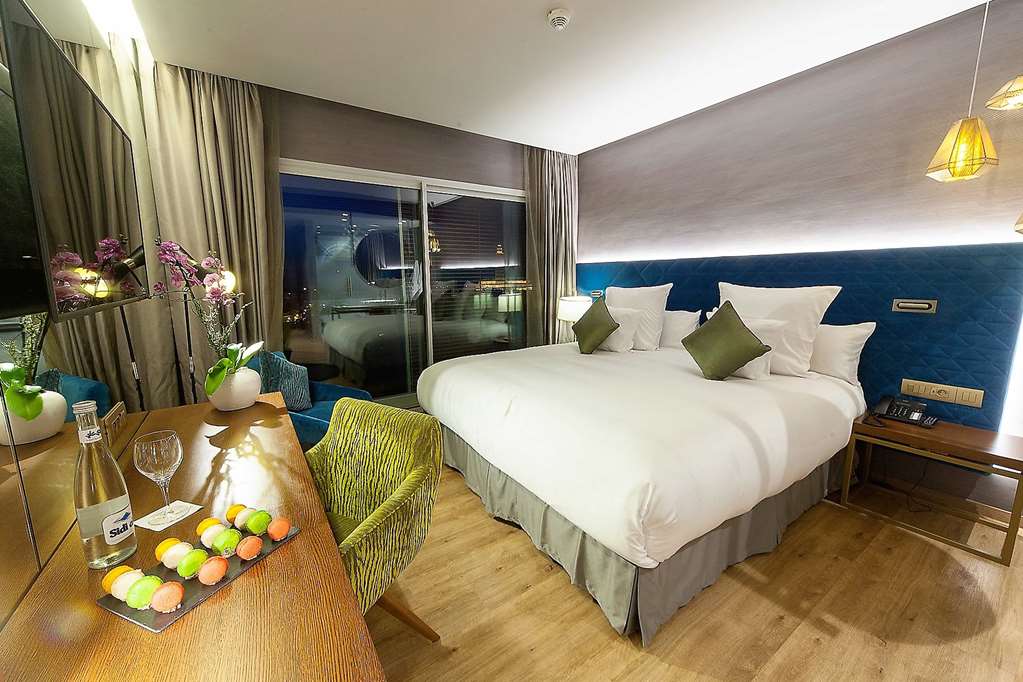
Hotel particulier Le DOGE Relais & Chateaux
Centre-ville, Casablanca · 5-starGuest score 4.6/5 from the booking supplier · 415 reviewsSee live price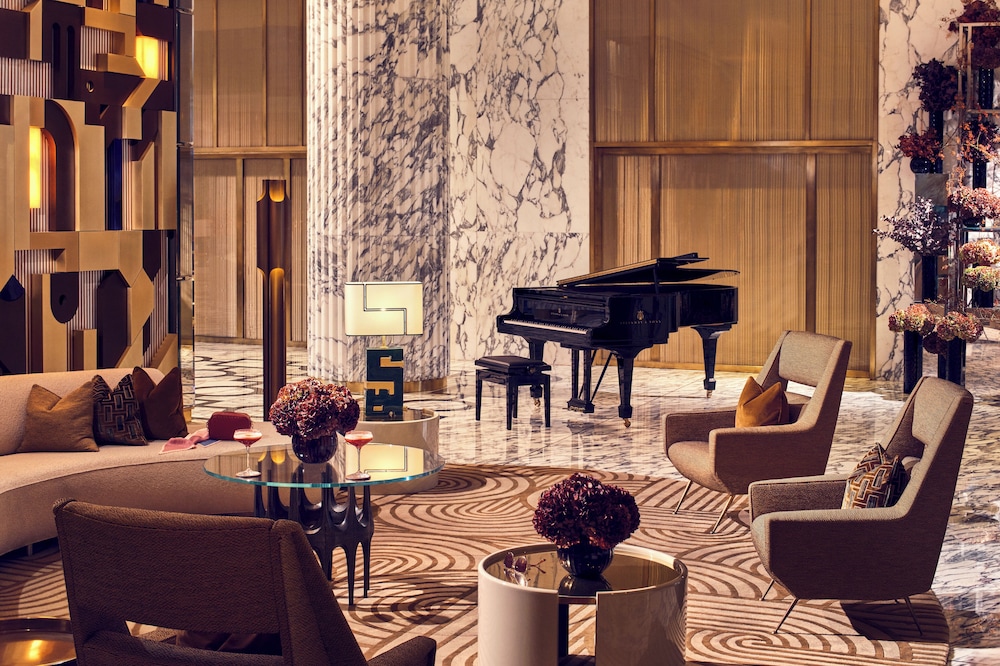 5★
Royal Mansour Casablanca
Centre-ville, Casablanca · 5-starGuest score 4.6/5 from the booking supplier · 235 reviewsSee live price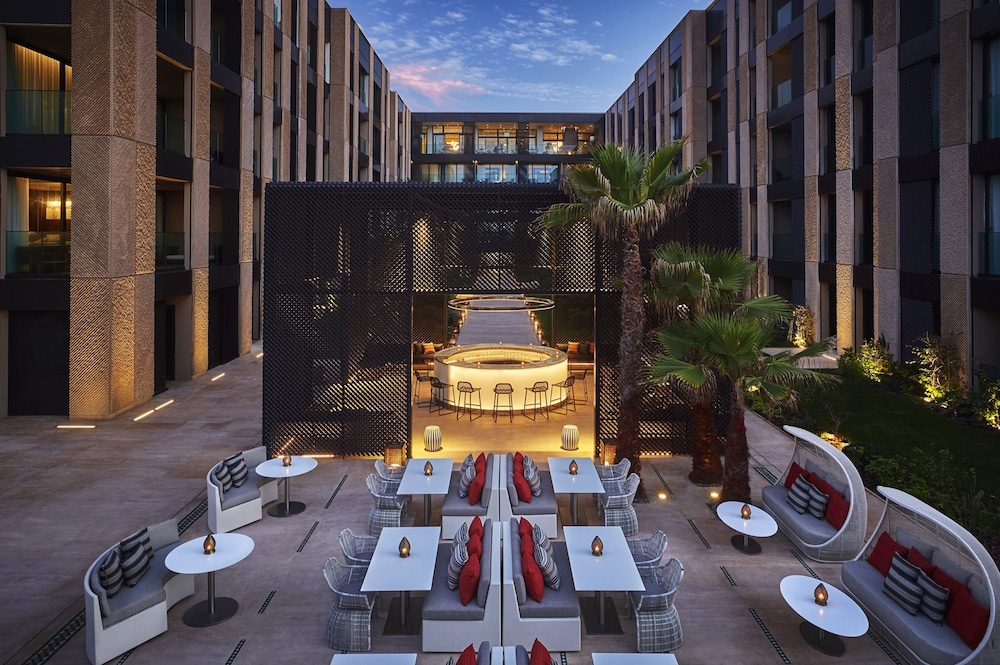 5★
Four Seasons Hotel Casablanca
Ain Diab Corniche, Casablanca · 5-starGuest score 4.5/5 from the booking supplier · 3594 reviewsSee live price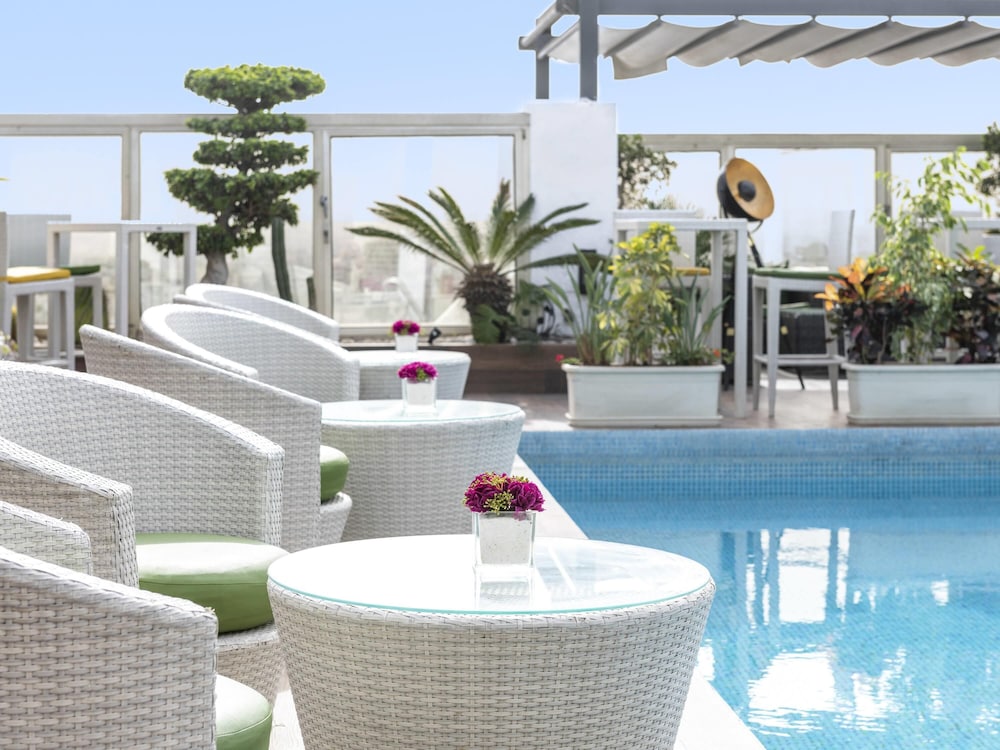 5★
Mövenpick Hotel Casablanca
Maarif, Casablanca · 5-starGuest score 4.4/5 from the booking supplier · 4818 reviewsSee live price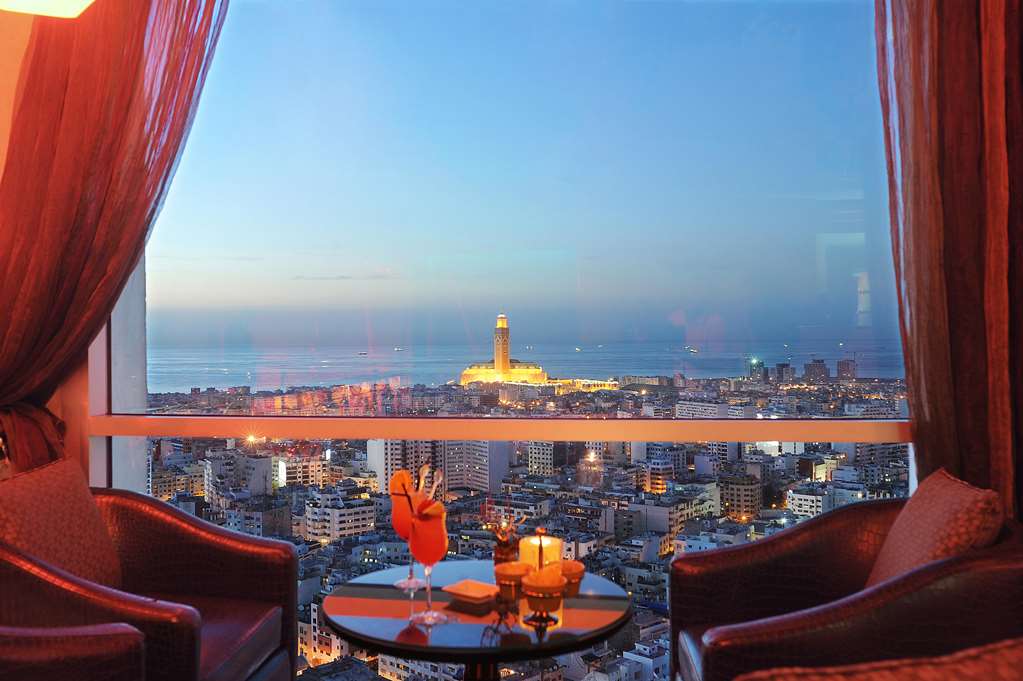 5★
Kenzi Tower Hotel
Maarif, Casablanca · 5-starGuest score 4.4/5 from the booking supplier · 2735 reviewsSee live price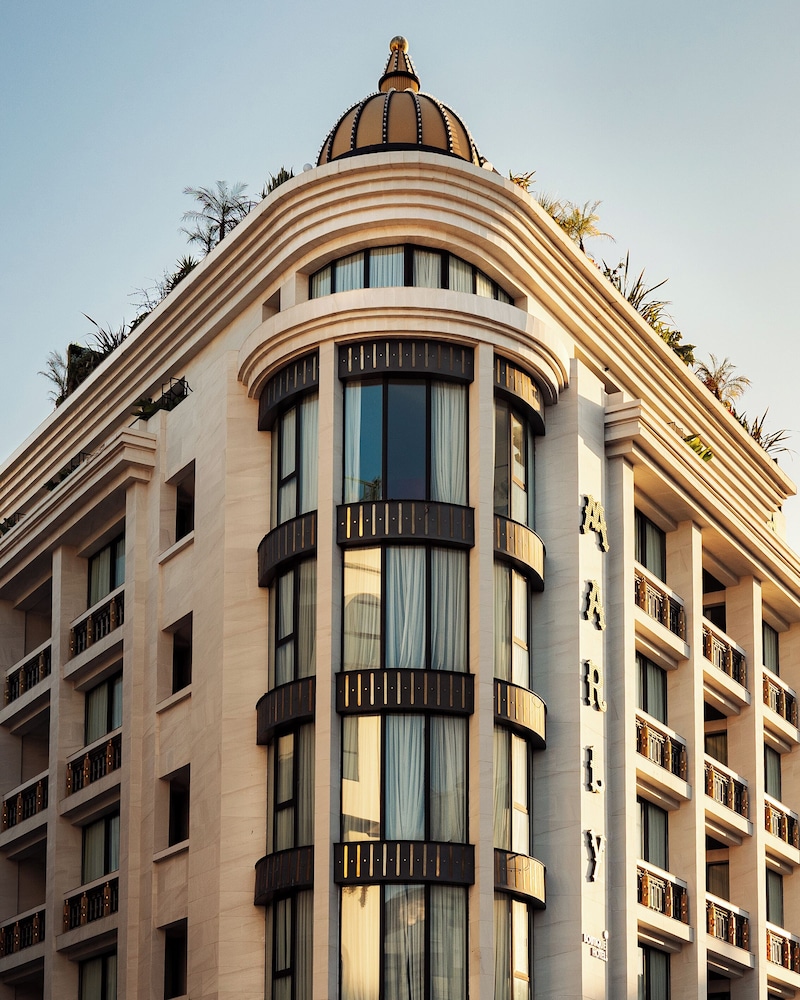 5★
Marly Boutique Hôtel
Maarif, Casablanca · 5-starGuest score 4.4/5 from the booking supplier · 54 reviewsSee live price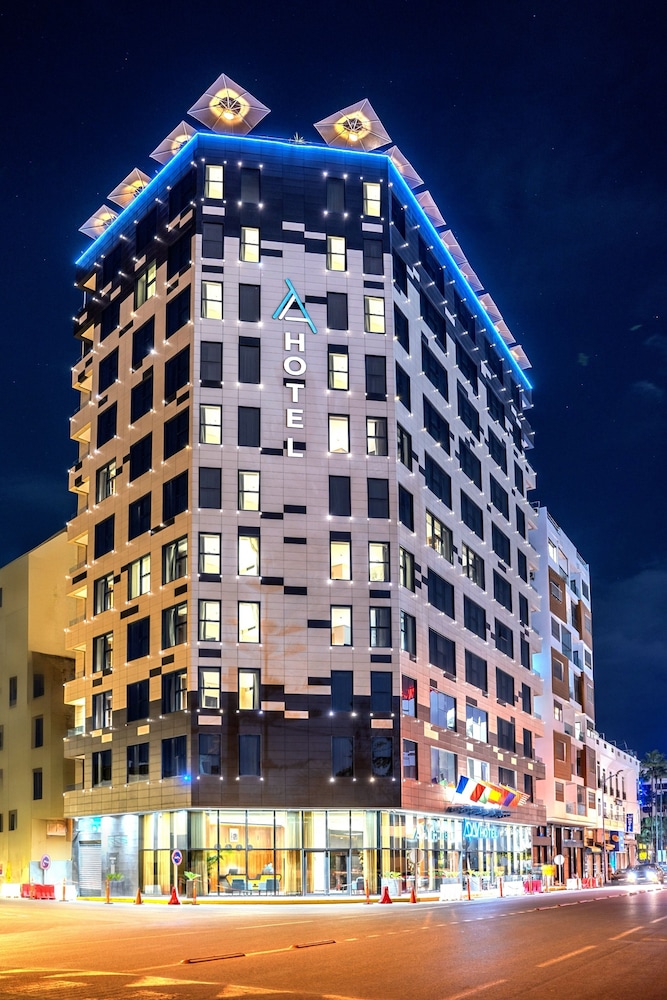 4★
ADAY Hotel Casablanca
Habous, Casablanca · 4-starGuest score 4.6/5 from the booking supplier · 54 reviewsSee live price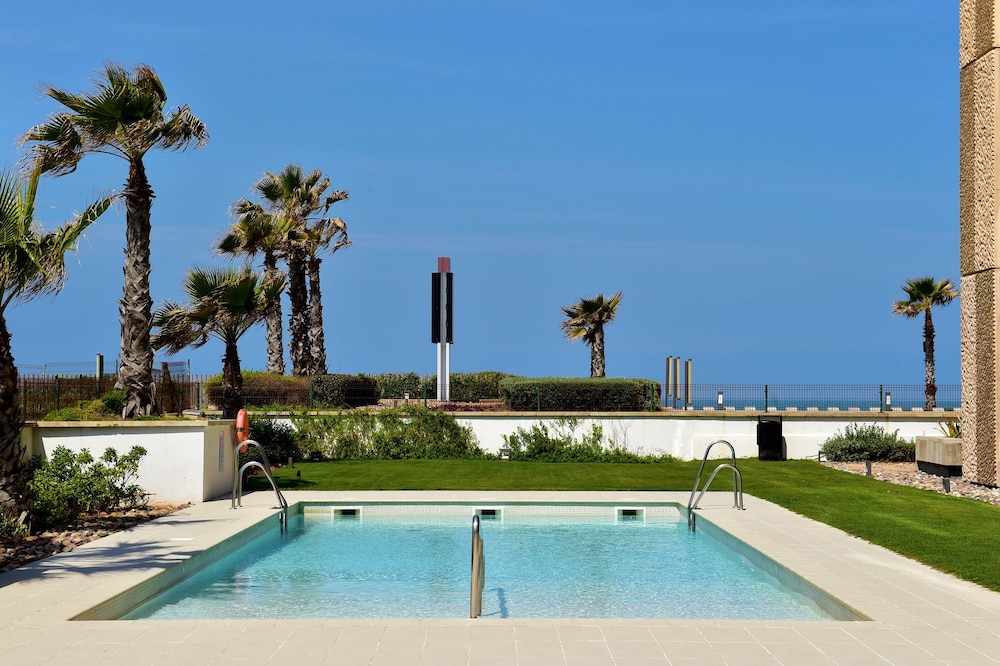 4★
Pestana Casablanca Seaside Suites & Residences
Ain Diab Corniche, Casablanca · 4-starGuest score 4.5/5 from the booking supplier · 1281 reviewsSee live priceFrequently asked questions
How do you get from Cape Verde to Casablanca?
Non-stop flights have run between Praia (RAI) and Sal (SID) and Mohammed V International Airport (CMN), with about 3 h 30 in the air. Schedules on the route change, so check current timetables before booking. Travellers from other islands usually change in Praia or Sal first.
Which Cape Verde airports serve Casablanca?
Departures have been from Praia (RAI) on Santiago and Sal (SID). Boa Vista (BVC) and São Vicente (VXE) have no direct link, so plan a first hop to Praia or Sal, or a routing through a European hub, and allow time between flights.
How long is the flight from Cape Verde to Casablanca?
About 3 h 30 non-stop from Praia or Sal. Anything with a change of plane takes much longer, often a full day once connections and airport time are counted. Check the total journey time, not just the flying time, when comparing options.
Where should you stay in Casablanca?
Centre-ville suits a first visit, with the medina, the Hassan II Mosque and the market within reach. Ain Diab Corniche suits beach and sea air, Maarif suits business and the tram, and Habous is quieter and more traditional. Book ahead around Ramadan and public holidays.
How many days do you need in Casablanca?
Three or four nights covers the mosque, the medina, the corniche and the Habous quarter without rushing. Add a day for Rabat by train. Travellers on a short stopover can see the main sights in a single full day.
When is the best time to visit Casablanca?
March to May and September to November bring the mildest weather for walking the city. Summer is hotter and more humid on the coast, and winter can be cool and wet. Ramadan shifts opening hours and the pace of the day, so check the dates before booking.
What can you do in Casablanca in a day?
See the Hassan II Mosque first, then walk the Ancienne Médina and the Marché Central, and finish along Boulevard Mohammed V. An evening on the Ain Diab corniche rounds it off. Check mosque visiting hours, which change around prayer times.
How does Casablanca compare with Cape Verde?
Casablanca is larger, denser and busier, with heavy traffic and a working port. Food shifts from cachupa and grilled fish to tagines, couscous and mint tea. Winter is cooler and summer more humid. Arabic and French replace Portuguese and Kriolu on the street.
More from Cape Verde
Sources: airline schedules, airport operators, official tourism and immigration authorities. Editorial review: 4 November 2026, IMPT Cape Verde editorial team. Schedules, entry rules and opening times change; check before you go.