
 5★
Short answer
No non-stop flights link Cape Verde to Porto. Travel goes through Lisbon, with about four hours in the air plus the connection, so allow a full day. Three to four nights suits a first visit: stay in Ribeira for the river or Baixa for transport, and go in May, June, September or October for mild weather.
Flight
≈ 4 h + connection
Usually via Lisbon; normally with a change; check schedules
Airport
OPO
Francisco Sá Carneiro Airport
Best time
May to June and September to October
check the season
Stay
3–4 nights
+1 for the Douro valley
Time zone
Cape Verde UTC−1
check the local offset
Getting from Cape Verde to Porto
By air
Flights leave from Praia (RAI), Sal (SID), Boa Vista (BVC) and São Vicente (VXE), but there is normally no non-stop service to Porto. A change of plane is needed, usually in Lisbon, where European connections feed into Francisco Sá Carneiro Airport (OPO). Confirm routings and timings before booking, as schedules change through the year.
The metro connects the airport with the centre, and tickets come from machines in the terminal. Taxis wait outside arrivals, and the road journey is quicker outside rush hours. Buy an Andante travel card for trams, buses and metro if you plan several days in the city.
Connections and onward travel
Flying is the only practical option. There is no passenger sea crossing between Cape Verde and Portugal, and no non-stop service to Porto. Almost every itinerary changes planes in Lisbon, where a connecting flight reaches Francisco Sá Carneiro Airport; travellers with time can also take the train north from Lisbon instead.
Where to stay in Porto
Ribeira
The old riverfront quarter below the walls. Best for a first visit, evening walks and views of the bridges, though streets climb steeply and can be noisy at night.
Baixa & Aliados
The flat commercial centre around Avenida dos Aliados and the São Bento station. Handy for metro and train links, shopping and cafés, and the most convenient base without hills.
Boavista
The modern, spread-out district west of the centre, with museums, the Casa da Música and good bus links. Suits longer stays and travellers who want quiet nights over street life.
Vila Nova de Gaia
The south bank across the Douro, home to the port wine lodges and the riverside promenade. Good for wine visits and river views, with a short walk or metro ride into Porto.
Top things to do in Porto
- Ribeira riverfront: The UNESCO-listed old quarter on the Douro, with arcaded houses, small boats and the Dom Luís I bridge above. Walk it early, before the crowds.
- Dom Luís I bridge: The iron bridge between Porto and Gaia, with an upper deck for metro and pedestrians. The upper crossing gives the widest views of the river and roofs.
- Clérigos Tower: The baroque bell tower and church, with a narrow climb to a platform over the centre. Check opening hours before you go up.
- Port wine cellars: The lodges in Gaia store and age port wine, and several run guided visits with tastings. Book ahead in summer.
- São Bento station: The station hall is covered in blue and white azulejo panels showing scenes of Portuguese history. Central and free to enter.
- Mercado do Bolhão: The covered market in the Baixa sells produce, fish and flowers, with food counters on the upper level. Good for a morning look.
- Foz do Douro: Where the river meets the Atlantic, with a seafront promenade and beaches. Take a tram or bus west from the centre.
- Serralves: The contemporary art museum and its wooded park west of the centre, plus the art deco villa. Allow half a day.
- Matosinhos: The Atlantic suburb north of the city, known for grilled fish near the harbour. Reachable by metro.
Three days in Porto
- Day 1: Ribeira and the bridges: Start in the old riverfront quarter, climb to the cathedral and cross the upper deck of the Dom Luís I bridge to Gaia. Finish with a port lodge visit and dinner by the river.
- Day 2: Baixa and Cedofeita: Cover the Clérigos tower, the São Bento panels and the Bolhão market, then wander the Cedofeita and Miguel Bombarda galleries and shops in the afternoon.
- Day 3: Foz and the coast: Ride the tram west to Foz do Douro for the river mouth and Atlantic air, then return by way of Serralves or Matosinhos for grilled fish. A relaxed last day with no long transfers.
Add a day trip east along the Douro for vineyards and river views, or a train south to Lisbon for a night or two. Check timetables with Comboios de Portugal before booking.
Best time to visit Porto
May to June and September to October are the best months. Days are mild, the riverfront stays walkable, and the summer crowds and heat have either not arrived or have gone. Porto is wetter than the islands: rain is common from late autumn through winter, so pack a light waterproof at any time of year and check the forecast before long walks. August brings heat and full hotels.
Getting around Porto
- Metro: The light rail system covers the centre, the airport and Matosinhos; buy an Andante card and top it up at machines.
- Tram: The historic tram along the river to Foz is slow but scenic, and cheaper than a taxi.
- Walking: The centre is compact but hilly; the Ribeira to Baixa climb is steep, so wear shoes with grip.
Porto vs Cape Verde: what feels different
Portugal is cooler and wetter, especially outside summer, so the sea is bracing rather than bathtub warm. Fish and grilled meat are familiar, but Porto cooking leans on pork, tripe, cod and heavy sauces, with port and vinho verde instead of grogue. Portuguese is spoken everywhere at European speed, and Kriolu will not be understood. The city moves faster than Mindelo or Praia: trams, queues, timetables.
Before you go
- Entry rules: Cape Verdean passport holders generally need a Schengen visa for Portugal; apply through the Portuguese consular services or a visa centre in Cape Verde. Rules change, so check the official EU and Portuguese consular pages before booking.
- Border formalities: The EU's digital Entry/Exit System applies at the border. Expect fingerprints and a photo on first entry, and carry your return ticket and accommodation details.
- Language: Portuguese is the official language of both countries, but European Portuguese sounds clipped and fast. English works in hotels and many restaurants.
- Money: Portugal uses the euro. Cards are widely accepted, though small cafés and markets may want cash.
Entry rules: see the Portugal page and check the official consular pages before booking.
Hotels in Porto
Nine hotels from the IMPT hotel database in Porto’s main areas, 5-star first, then 4-star, with guest score inside each tier. No prices are shown here: each button opens live availability for your dates in the IMPT app, and every booking funds one tonne of verified CO₂ offset.
5★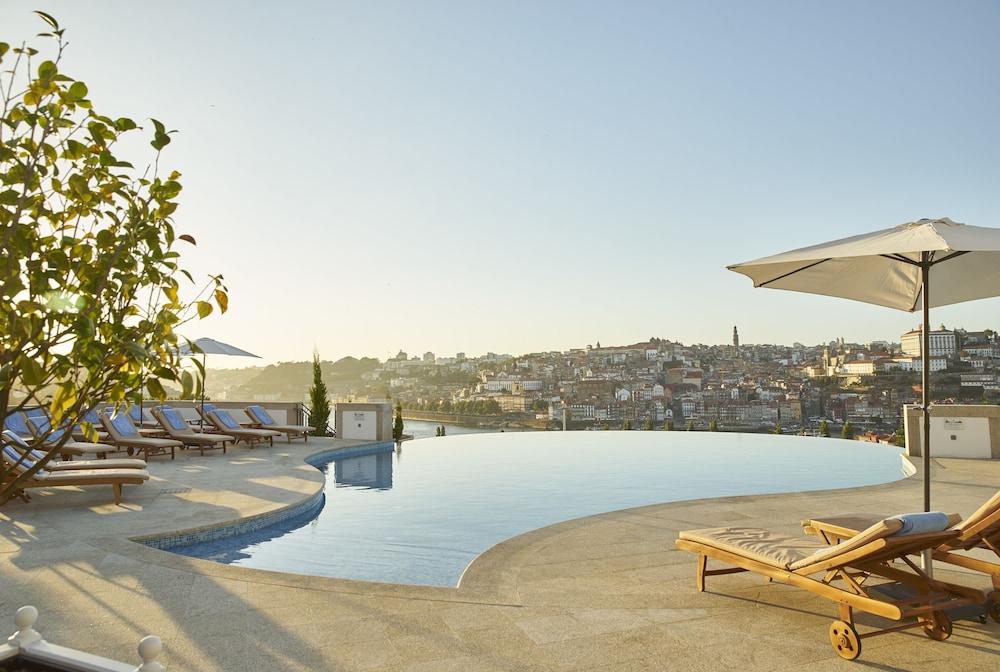 5★
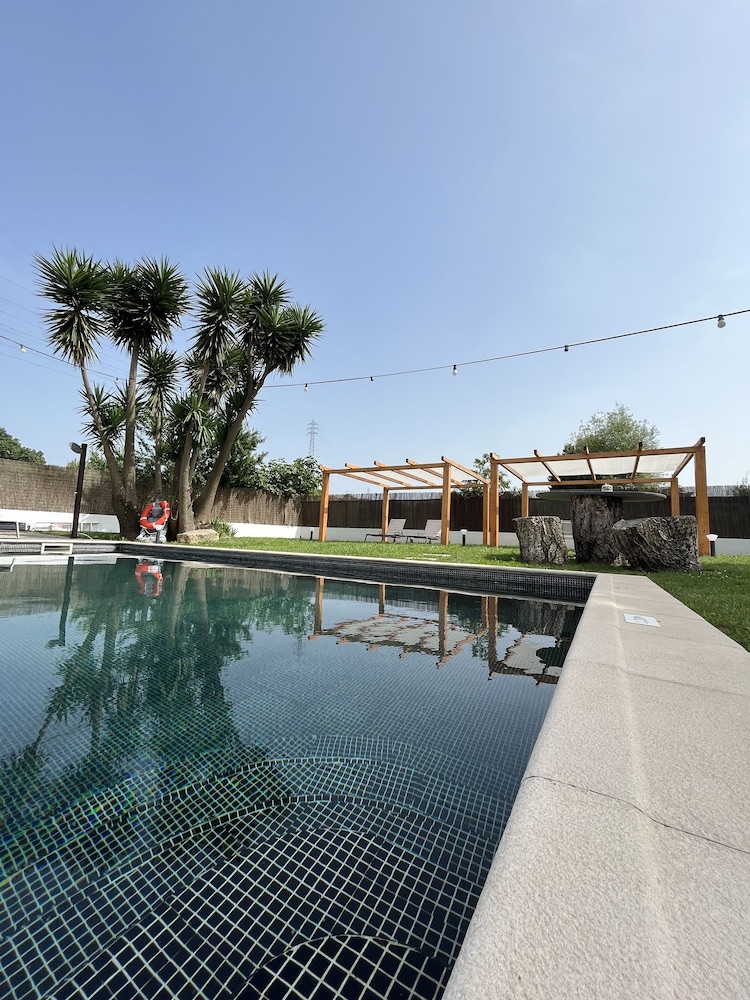
The Yeatman
Vila Nova de Gaia, Porto · 5-starGuest score 4.8/5 from the booking supplier · 4979 reviewsSee live price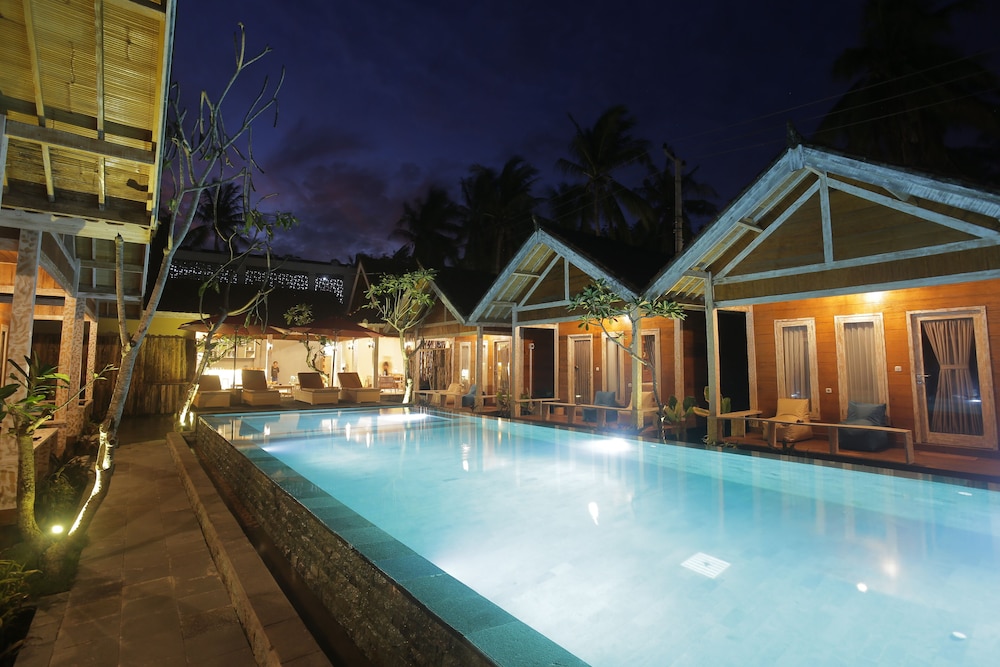 5★
Vinha Boutique Hotel
≈ 3 km from Vila Nova de Gaia, Porto · 5-starGuest score 4.8/5 from the booking supplier · 493 reviewsSee live price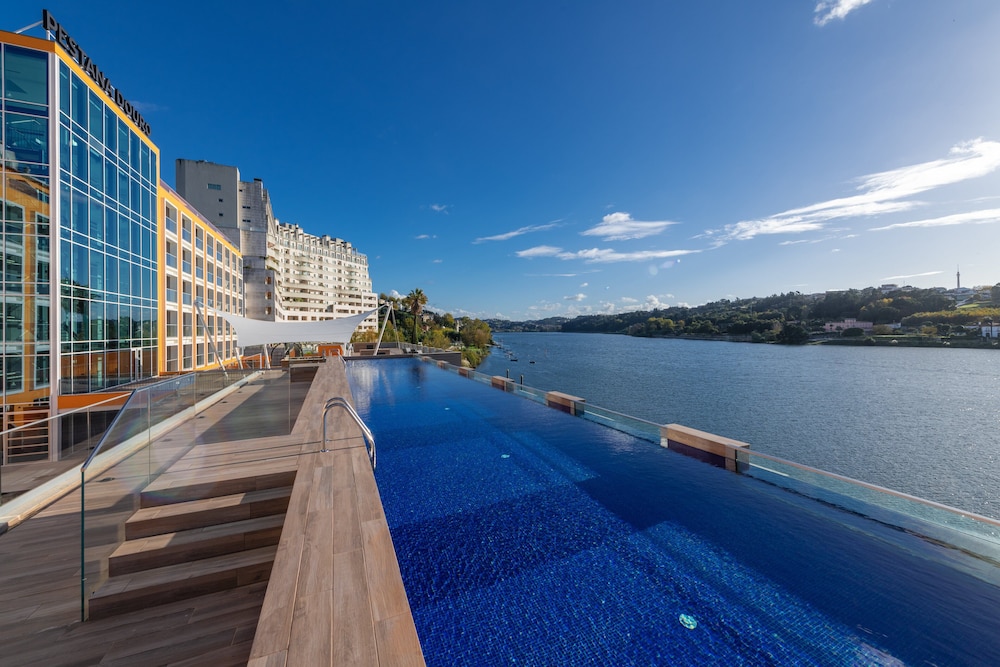 5★
Pestana Douro Riverside Preferred hotels & Resorts
≈ 3 km from Baixa & Aliados, Porto · 5-starGuest score 4.7/5 from the booking supplier · 1322 reviewsSee live price 4★
Hotel Vincci Ponte de Ferro
Ribeira, Porto · 4-starGuest score 4.7/5 from the booking supplier · 1392 reviewsSee live price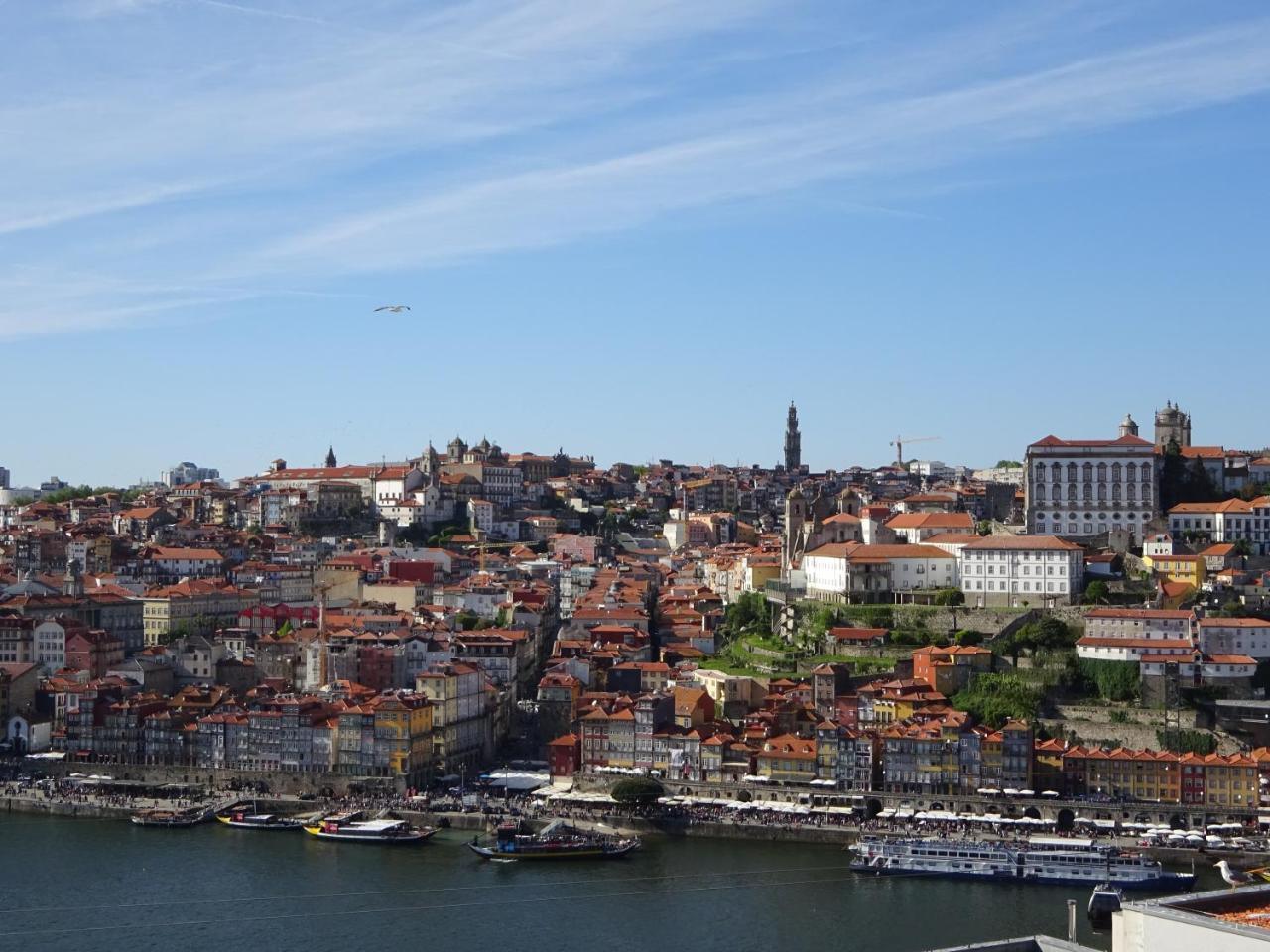 4★
Bom dia Porto
Ribeira, Porto · 4-starGuest score 4.7/5 from the booking supplier · 190 reviewsSee live price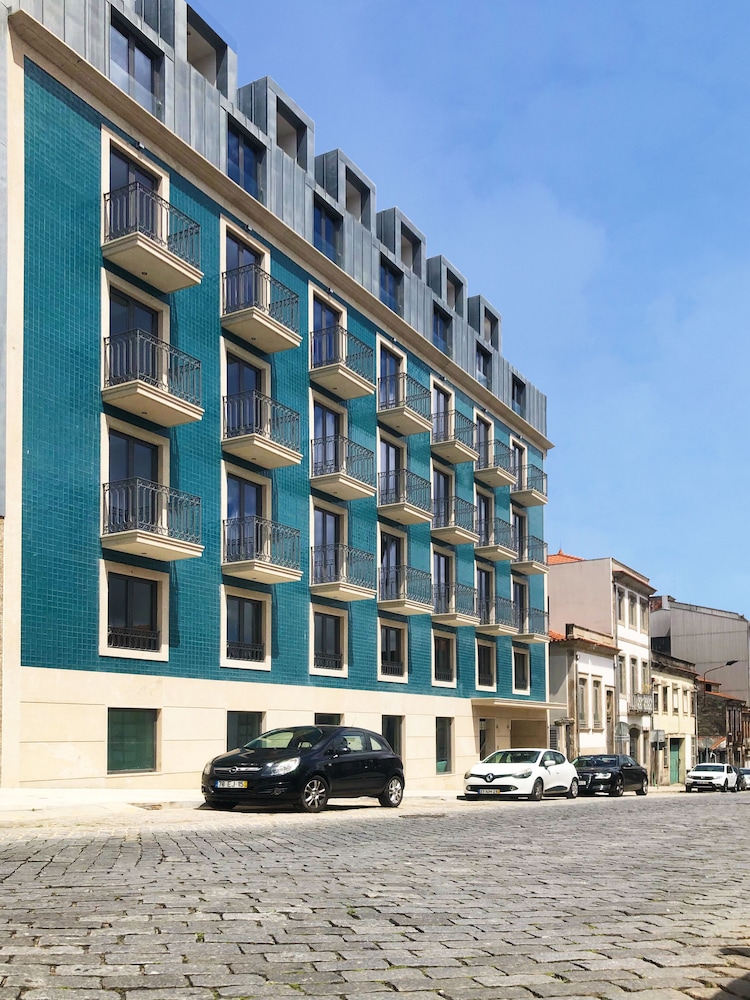 4★
Oca Oriental Porto Hotel
Baixa & Aliados, Porto · 4-starGuest score 4.6/5 from the booking supplier · 837 reviewsSee live price 4★
Holiday Inn Porto Gaia by IHG
Vila Nova de Gaia, Porto · 4-starGuest score 4.4/5 from the booking supplier · 4437 reviewsSee live price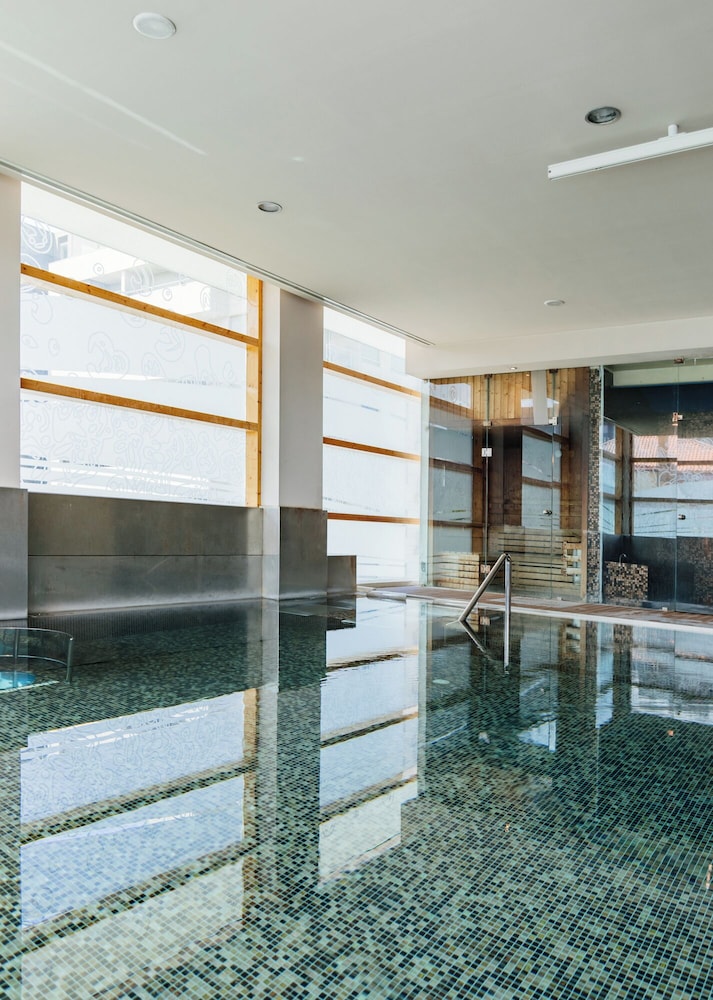 4★
Axis Porto Business & Spa Hotel
≈ 4 km from Boavista, Porto · 4-starGuest score 4.3/5 from the booking supplier · 2836 reviewsSee live priceFrequently asked questions
Is there a direct flight from Cape Verde to Porto?
There is normally no non-stop service between Cape Verde and Porto. Journeys route through Lisbon or another European hub, with a change of plane, and the flying time from the islands is about 4 hours plus the connection. Check current schedules and routings before booking, because seasonal services and timings change.
Which Cape Verde airport should I start from?
All four international airports, Sal (SID), Boa Vista (BVC), Praia (RAI) and São Vicente (VXE), have flights to Europe. Pick the one nearest your home island and allow time for the connection. Schedules change with the season, so confirm routes before booking.
How long does the journey from Cape Verde take?
Budget a full day door to door. The air time is about 4 hours plus a connection, usually in Lisbon, and transfers at both ends add more. Weather delays on inter-island ferries or domestic flights can affect the start of the trip, so keep a buffer day.
Where should I stay in Porto on a first visit?
Ribeira puts you on the river in the old quarter, which suits short breaks and evenings out. Baixa and Aliados are flatter and better for metro and train links, while Boavista and Vila Nova de Gaia suit longer stays, museum days and port wine visits. Book ahead in summer.
Do Cape Verdeans need a visa for Porto?
Cape Verdean passport holders generally need a Schengen visa for Portugal and should apply through the Portuguese consular services or an official visa centre in Cape Verde well before travelling. Rules and processing times change, so check the official EU and Portuguese consular pages before booking.
What is the time difference with Porto?
Cape Verde stays on UTC-1 all year, with no daylight saving. Porto follows Western European Time, so it is one hour ahead in winter and two hours ahead during European summer time. Airlines print local times on tickets, and changeover dates move each year, so check before booking.
What should I eat in Porto?
Fish is familiar, but Porto favours cod, grilled sardines, pork and the tripe stew that gives locals their nickname. Francesinha, a heavy sandwich under melted cheese and sauce, is the city's late-night staple. Finish with port or a glass of vinho verde rather than grogue.
How many days do I need in Porto?
Three or four nights cover the old centre, the Gaia cellars and one riverside walk or tram ride to Foz. Add a day for a Douro valley trip or a museum. Cape Verdeans visiting family often need less sightseeing time, so plan around the people you are seeing.
Is Porto a good stopover between Cape Verde and Europe?
Porto works well as a first or last stop in Europe, since the airport has direct flights to many European cities. Two or three nights cover the centre without rushing, and the city is compact enough to walk. Check your visa or entry conditions before booking.
More from Cape Verde
Sources: airline schedules, airport operators, official tourism and immigration authorities. Editorial review: 4 November 2026, IMPT Cape Verde editorial team. Schedules, entry rules and opening times change; check before you go.