
 4★
Short answer
There is normally no non-stop flight from Cape Verde to Senegal, so you fly to Dakar with a change of plane, usually in Lisbon, then take the road transfer of about 4 h from Blaise Diagne International Airport. Base yourself on Île de Saint-Louis, at Hydrobase or in Sor. Three to four nights suits the city, and November to May is the driest window.
Flight
≈ 1 h 30 + road
Fly to Dakar; normally with a change; check schedules
Airport
DSS
Blaise Diagne International Airport
Best time
November to May
check the season
Stay
3 to 4 nights
+1 night for Djoudj
Time zone
Cape Verde UTC−1
check the local offset
Getting from Cape Verde to Saint-Louis
By air
Sal (SID), Praia (RAI), Boa Vista (BVC) and São Vicente (VXE) all have international departures, but there is normally no non-stop service to Dakar. Expect a change of plane, usually in Lisbon, and check current schedules before booking. The Dakar leg takes about 1 h 30. Blaise Diagne International Airport lies well outside Dakar, and the road transfer to Saint-Louis takes about 4 h.
Allow a full day for the journey. From Dakar, travellers usually take a hired car or a place in a shared minibus, and the road runs north through Louga to the river. There is no passenger rail link. Keep a buffer day before flying back to Cape Verde, as road and air delays are common.
Connections and onward travel
From the islands, flying is the only practical option. Cape Verde lies about 570 km west of Senegal, and no passenger ferry or road route connects the two. The usual pattern is a morning departure from Sal, Praia, Boa Vista or São Vicente, a change of plane, an afternoon arrival in Dakar and the road transfer north, reaching Saint-Louis in the evening. Ask about through connections when booking.
Where to stay in Saint-Louis
Île de Saint-Louis
The historic grid in the middle of the river, with colonial houses, the market, restaurants and the waterfront. Best for a first visit and for anyone who wants to walk to dinner.
Hydrobase
The old seaplane base near the river mouth, quiet and open, with space and steady breeze. Suits kite surfers, birdwatchers and travellers with a car who prefer calm to the town centre.
Sor
A fishing village on the mainland, reached beyond the bridge. Small guesthouses, river views and a slower pace. Good for longer stays, families and anyone combining the city with birdwatching in the delta.
Top things to do in Saint-Louis
- Île de Saint-Louis: Walk the grid of the old colonial capital: the cathedral, the market halls and the quays. The whole island is a UNESCO World Heritage Site.
- Pont Faidherbe: Cross the iron bridge that links the island to the mainland. It is the city's landmark and carries traffic in both directions all day.
- Guet Ndar: The fishing quarter on the sand spit, where pirogues are hauled up and landed. Go early for the fish trade and the boat traffic.
- Langue de Barbarie: The long sand spit between river and ocean. Cross by pirogue, then walk the ocean side for surf, shells and seabirds.
- Djoudj bird sanctuary: Freshwater wetlands north-east of the city, known for pelicans, cormorants and wintering waders. Best in the dry months; check opening with the park authorities.
- Photography museum: A small museum of West African photography in the old town, with studio portraits from the region. A good hour out of the heat.
- Calèche tour: Horse-drawn carts are the local way to cover the island and the mainland quarters. Agree the fare before you set off.
- Morning fish trade: The market on the island and the landing beaches at Guet Ndar both handle the morning catch. Go before the heat builds and the trucks leave.
- Thiéboudienne: Senegal's rice-and-fish dish, cooked with tomato, vegetables and stuffed fish. Order it at lunch, when kitchens serve it fresh.
- Kitesurfing: The river mouth at Hydrobase catches steady wind in the dry season. Bring your own kit or arrange lessons locally before you travel.
Three days in Saint-Louis
- Day 1: The island on foot: Start at the market, then walk the colonial grid: the cathedral, the quays and the photography museum. End with a drink on the waterfront as the pirogues come in.
- Day 2: River mouth and sand spit: Cross the Faidherbe bridge, then take a pirogue to the Langue de Barbarie. Walk the ocean side, watch the fleet at Guet Ndar and finish with a calèche through town.
- Day 3: Djoudj or Sor: Drive north to the Djoudj bird sanctuary in the morning, or head south to Sor for a slow day by the river. Both need a car and driver for the day.
Add a night if you plan Djoudj, and consider going on to Dakar by road or upriver to Podor. Check road conditions before setting out.
Best time to visit Saint-Louis
November to May is the dry season and the best window. December and January are the coolest months, when evenings on the river are pleasant; March to May turns hot before the rains. August to October brings humidity, heavy showers and flooded tracks around the delta, and the bird sanctuary usually closes then. Check with the park service if birds are the reason for the trip.
Getting around Saint-Louis
- On foot: The island is small and flat, so the old town, the market and the quays are walkable.
- Calèche: Horse-drawn carts cover the island and the mainland quarters; agree the fare before you set off.
- Pirogue: Canoes cross the river mouth to the Langue de Barbarie and link the fishing quarters. Ask locally about the crossing point.
Saint-Louis vs Cape Verde: what feels different
Senegal feels larger and louder than the islands. French and Wolof replace Portuguese and Kriolu, and English is less widely spoken. Food is rice-based and sauce-heavy, with thiéboudienne and yassa in place of cachupa. Saint-Louis is a humid river city in the rains, with horse carts, pelicans and a slow colonial waterfront. Cape Verde's dry trade winds and morna give way to mbalax and river heat.
Before you go
- Documents: Cape Verdeans need no visa for short stays in Senegal under ECOWAS rules. EU, UK and US visitors currently need no visa for short tourist trips. Confirm with the Senegalese embassy before travel.
- Money: Senegal uses the CFA franc. Banks and cash machines are in central Saint-Louis; carry cash for Sor and the delta. Check the current exchange rate before you go.
- Language: French is official and Wolof is widely spoken. Portuguese and Kriolu will not help much; a few words of French go a long way.
- Time: Senegal is one hour ahead of Cape Verde all year, since neither country changes its clocks.
Entry rules: see the Senegal page and check the official consular pages before booking.
Hotels in Saint-Louis
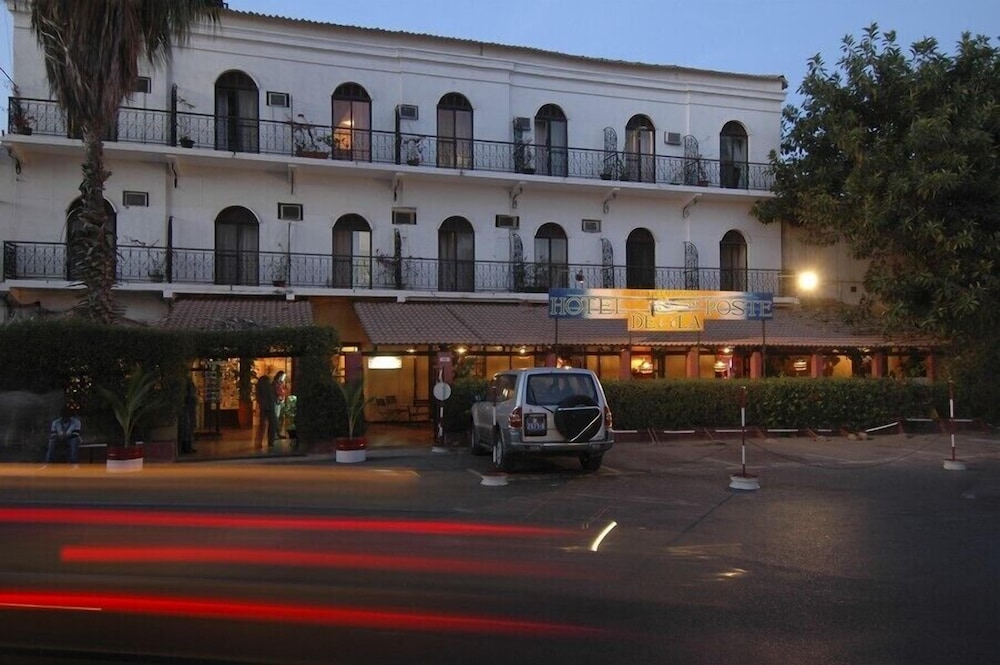
Nine hotels from the IMPT hotel database in Saint-Louis’s main areas, 5-star first, then 4-star, with guest score inside each tier. No prices are shown here: each button opens live availability for your dates in the IMPT app, and every booking funds one tonne of verified CO₂ offset.
4★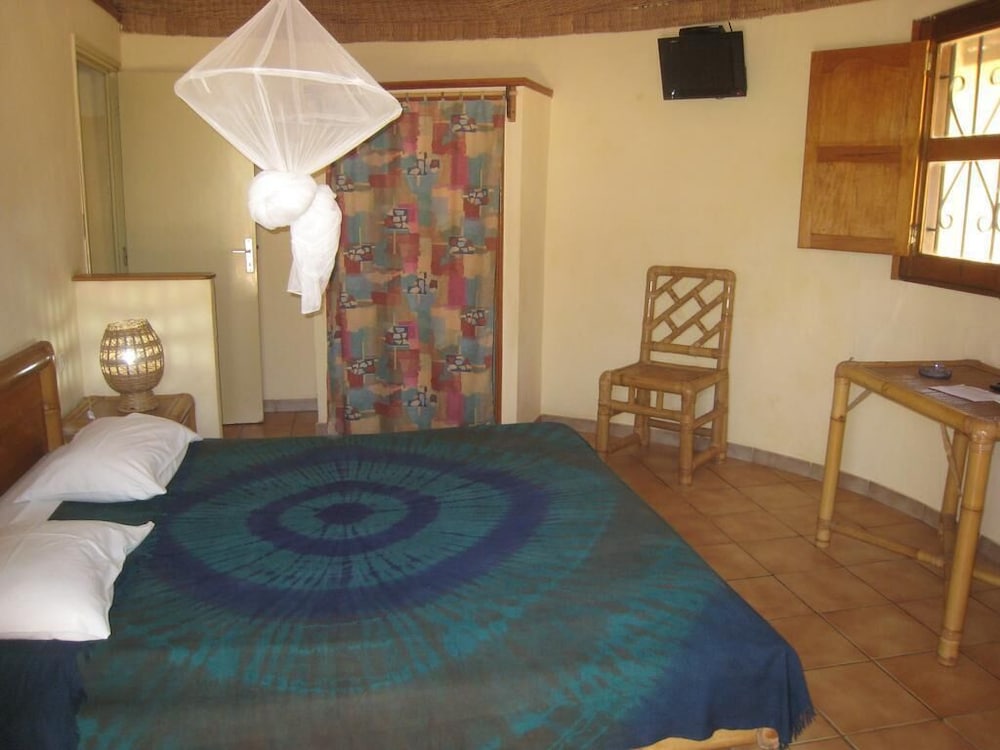 3★
Cap Saint Louis
Hydrobase, Saint-Louis · 3-starGuest score 4.1/5 from the booking supplier · 255 reviewsSee live price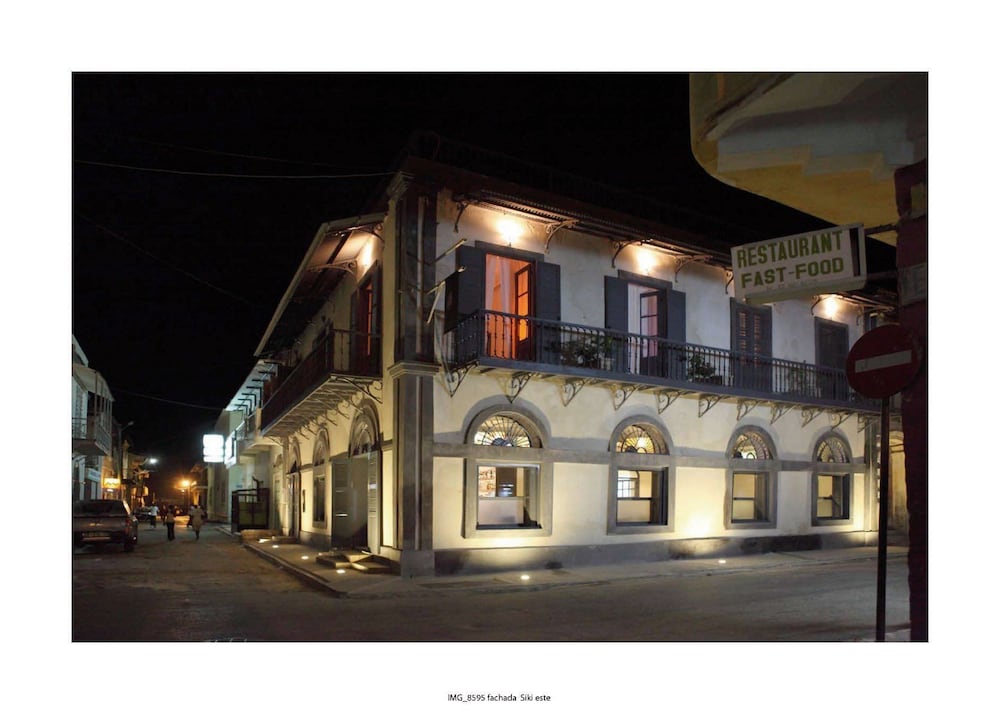 3★
Siki Hotel
Île de Saint-Louis, Saint-Louis · 3-starGuest score 4.0/5 from the booking supplier · 492 reviewsSee live price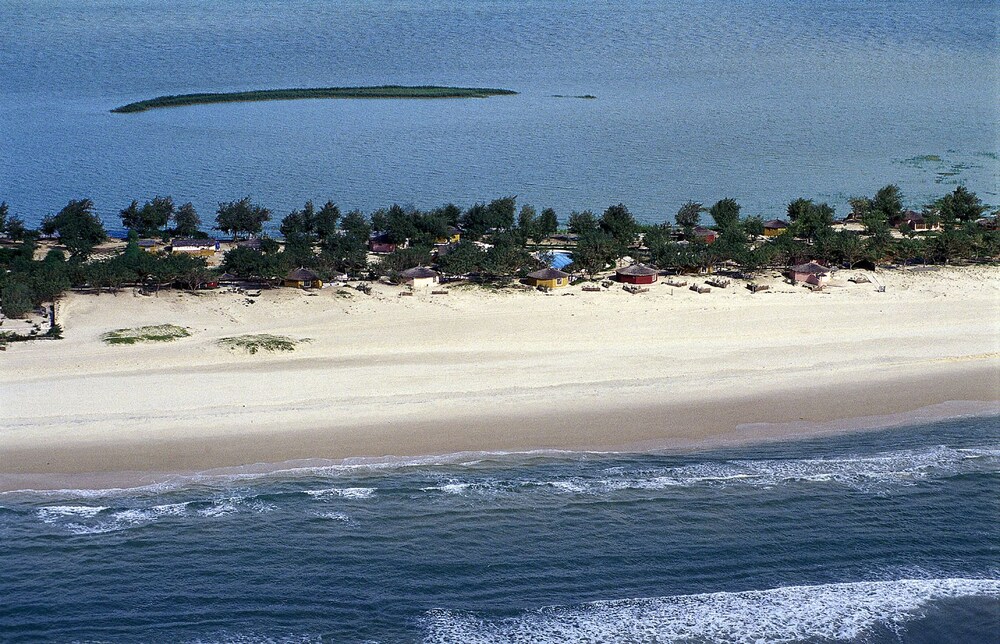 3★
Hôtel Diamarek
Hydrobase, Saint-Louis · 3-starGuest score 4.0/5 from the booking supplier · 430 reviewsSee live price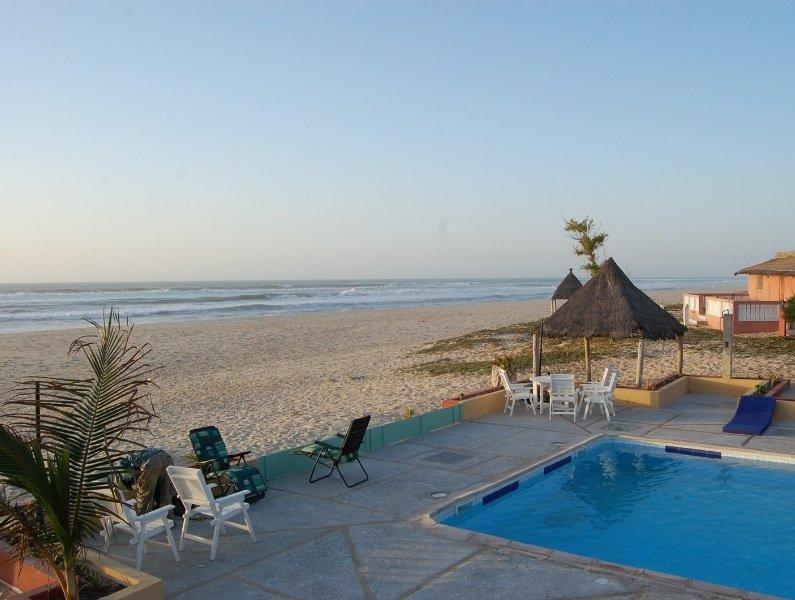 3★
Le Phoenix
≈ 3 km from Hydrobase, Saint-Louis · 3-starGuest score 4.0/5 from the booking supplier · 354 reviewsSee live price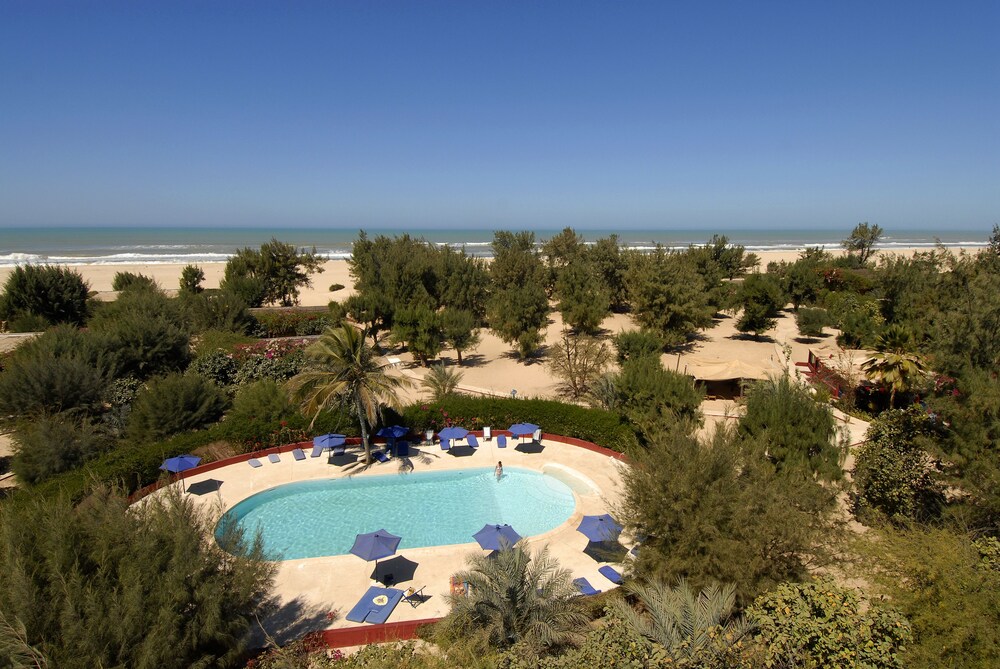 3★
Mermoz Hotel
Hydrobase, Saint-Louis · 3-starGuest score 3.9/5 from the booking supplier · 276 reviewsSee live price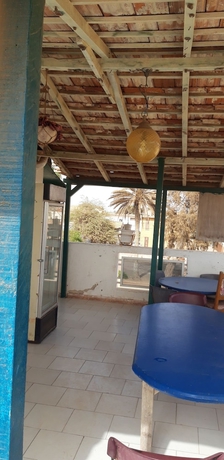 3★
Le Nabab
Île de Saint-Louis, Saint-Louis · 3-starGuest score 3.9/5 from the booking supplier · 66 reviewsSee live price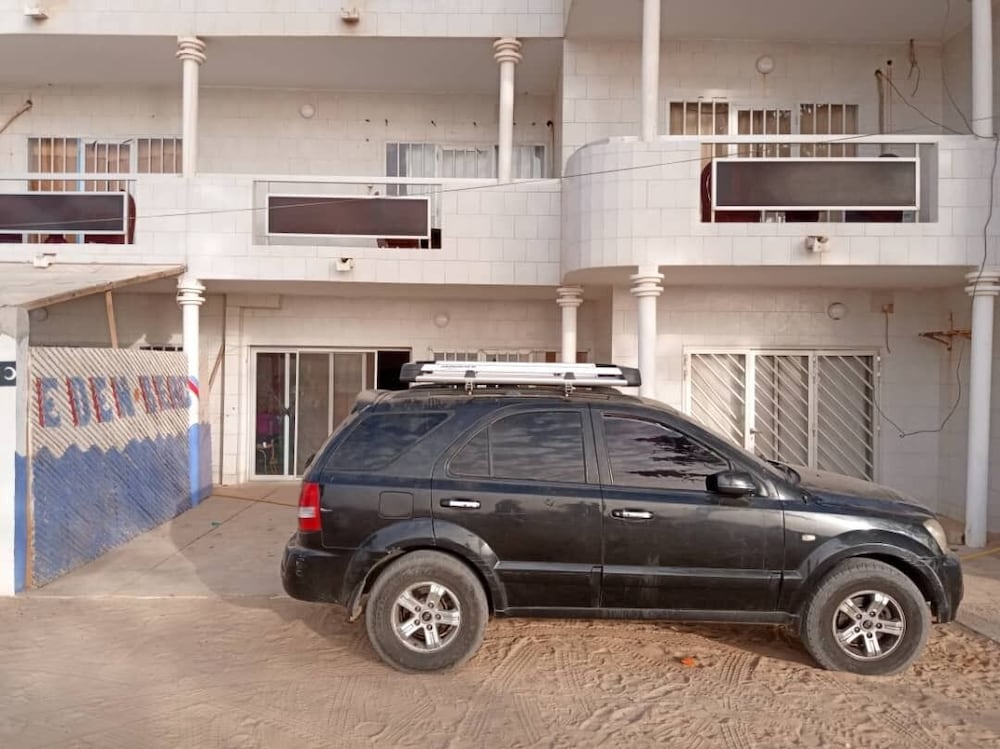 3★
Eden Beach Saint Louis
Hydrobase, Saint-Louis · 3-starGuest score 3.8/5 from the booking supplier · 75 reviewsSee live price 3★
Eco Lodge Hotel Oasis Fishing
Hydrobase, Saint-Louis · 3-starGuest score 3.7/5 from the booking supplier · 204 reviewsSee live priceFrequently asked questions
How do you get to Saint-Louis from Cape Verde?
Fly to Dakar, then travel by road. There is normally no non-stop flight, so expect a change of plane, usually in Lisbon. The Dakar leg takes about 1 h 30. From Blaise Diagne International Airport, the road transfer to Saint-Louis takes about 4 h. Check current schedules before booking.
How long does the journey from Cape Verde to Saint-Louis take?
Allow a full day. The Dakar flight takes about 1 h 30, the change of plane adds time in the airport, and the road transfer from Blaise Diagne takes about 4 h. Most travellers reach Saint-Louis in the evening. Check current schedules and keep a buffer day before flying home.
When is the best time to visit Saint-Louis?
November to May, the dry season. December and January are the coolest months and the most comfortable for walking the island. March to May is hot. The rains come roughly July to October, when delta tracks flood and the bird sanctuary usually closes. Check with the park authorities.
Where should you stay in Saint-Louis?
Île de Saint-Louis suits a first visit, with guesthouses, restaurants and the market within walking distance. Hydrobase is quieter and breezier, good for kite surfers and birdwatchers. Sor, a fishing village on the mainland, has small guesthouses and a slower pace, useful for longer stays.
What is there to do in Saint-Louis?
Walk the colonial grid on the island, cross the Faidherbe bridge and see the fishing fleet at Guet Ndar. Pirogue trips reach the Langue de Barbarie, and the photography museum fills an hour. Day trips go north to the Djoudj bird sanctuary and south to Sor.
Is Saint-Louis easy to get around without a car?
Yes on the island, which is flat and small. Horse-drawn carts and pirogues cover the mainland quarters and the sand spit, and taxis are available. For Djoudj and the delta you need a car and driver. Agree fares before you set off.
What is the time difference between Cape Verde and Saint-Louis?
Senegal is one hour ahead of Cape Verde all year. Cape Verde stays on UTC-1 with no daylight saving, and Senegal does not change its clocks either, so the gap never varies. Flight times and road transfers are given in local time.
How many nights do you need in Saint-Louis from Cape Verde?
Three to four nights covers the island, the sand spit and one day trip. Add a night if you want the Djoudj bird sanctuary without a rush. Anyone coming from Cape Verde should also keep a buffer day before the international flight home.
More from Cape Verde
Sources: airline schedules, airport operators, official tourism and immigration authorities. Editorial review: 4 November 2026, IMPT Cape Verde editorial team. Schedules, entry rules and opening times change; check before you go.
Photo credits: Remi Jouan, CC BY 3.0, via Wikimedia Commons.