
 4★
Short answer
There is normally no non-stop flight from Cape Verde to Madrid, so you change plane, usually in Lisbon or the Canaries; allow roughly 5 h of flying plus the connection. Stay in Sol and Gran Vía for a first visit, or Las Letras for a quieter base. Three or four nights covers the main sights. April to June and September to October are the best months.
Flight
≈ 5 h + connection
Via Lisbon or the Canaries; normally with a change; check schedules
Airport
MAD
Adolfo Suárez Madrid-Barajas Airport
Best time
April to June and September to October
check the season
Stay
3–4 nights
+2 for Toledo and Segovia
Time zone
Cape Verde UTC−1
check the local offset
Getting from Cape Verde to Madrid
By air
Adolfo Suárez Madrid-Barajas Airport (MAD) handles all flights from the islands. Departures from Cape Verde normally route via Lisbon or the Canaries, so a change of plane is needed; there is no non-stop service. Expect roughly 5 h of flying plus the connection time, and check schedules before booking. From the airport, metro line 8 runs to Nuevos Ministerios, Cercanías trains reach Chamartín and Atocha, and the airport bus goes to Cibeles.
Flights leave from Praia (RAI), Sal (SID), Boa Vista (BVC) and São Vicente (VXE). Which gateway you use depends on the day and the season, and not every island has a convenient onward connection, so build in a buffer if you are joining an international flight. Cape Verdean passport holders should confirm visa timing before booking.
Connections and onward travel
The usual route is a change of plane in Lisbon or in the Canaries, with bags checked through to Madrid. Flying is the only practical way from the islands: there is no road or rail link to Europe, and the sea crossing takes days. From Madrid you can continue by high-speed train to Seville, Valencia or Barcelona, or by road to Toledo and Segovia.
Where to stay in Madrid
Sol & Gran Vía
Central and handy for a first visit: the Puerta del Sol, the Palacio Real and the main shopping streets are on the doorstep, and metro connections reach everywhere. Noisier at night.
Barrio de las Letras
Quieter streets between Atocha and the Prado, good for museum days, with old taverns and a literary history. A calmer base that is still walkable to the centre.
Salamanca
Madrid's smartest district, with wide streets, galleries, embassies and calm evenings. Best if you want space and quiet and do not mind walking or taking the metro to the old town.
Malasaña
Young and lively, with bars and small shops around the Plaza del Dos de Mayo. Suits travellers who want nightlife and a local feel more than polished surroundings.
Top things to do in Madrid
- Museo del Prado: Velázquez, Goya and the Habsburg collection in one long gallery. Book a timed entry and go early; the Prado rewards a half day.
- Museo Reina Sofía: Guernica and Spanish modern art in a converted hospital near Atocha. Check opening days before you go.
- Thyssen-Bornemisza: A private collection spanning old masters and twentieth-century art, opposite the Prado. Smaller than its neighbours and easy to fit in.
- Palacio Real: The royal palace on the site of the old Alcázar, with state rooms and the Almudena cathedral next door. Allow an hour or two.
- Plaza Mayor: Arcaded square from the Habsburg era, good for a coffee stop and a look at the frescoes on the Casa de la Panadería.
- Parque del Retiro: Madrid's big central park, with the lake, the Crystal Palace and long shaded avenues. Busiest on Sunday mornings.
- Puerta del Sol: Kilometre zero of Spain's road network and the city's meeting point. The bear and strawberry tree statue is the photo stop.
- Mercado de San Miguel: Iron and glass market near the Plaza Mayor, now mostly a place to eat standing up. Go before lunch or late in the evening.
- El Rastro: Sunday morning flea market in La Latina, spreading down the streets off Ribera de Curtidores. Go early and keep valuables close.
Three days in Madrid
- Day 1: Old Madrid: Start at the Puerta del Sol, walk through the Plaza Mayor to the Palacio Real and the Almudena cathedral, then cross to the Plaza de Oriente. Eat late, as Madrid does, somewhere in La Latina.
- Day 2: The art triangle: Give the Prado a morning, then the Thyssen-Bornemisza or the Reina Sofía in the afternoon, depending on taste. Finish with a walk in the Retiro and dinner in the Barrio de las Letras.
- Day 3: Neighbourhoods and markets: Malasaña and Chueca in the morning, a market or a gallery in Salamanca later. If the day is Sunday, head for El Rastro before lunch.
Toledo, Segovia and El Escorial are easy day trips by train or bus, and the high-speed network reaches Seville and Valencia in a few hours. Add a night for each.
Best time to visit Madrid
April to June and September to October are the most comfortable months, with mild days and cool evenings. July and August are hot, and many Madrid residents leave in August, so some small shops close. Winters are cool and clear, cold at night, with Christmas lights through December and January. Book ahead for museum slots at weekends and around public holidays, and check local fiesta dates before you travel.
Getting around Madrid
- Metro: Fast and frequent, with a station near most central sights; line 8 links Barajas with Nuevos Ministerios.
- On foot: Central Madrid is compact and the old town is best walked, though midsummer heat makes midday walking hard.
- Cercanías trains: Commuter trains link the airport, Chamartín, Sol and Atocha, and serve day trips such as El Escorial.
Madrid vs Cape Verde: what feels different
Madrid runs on a different clock. Dinner starts at nine or later, the day stretches into the night, and the streets stay busy after midnight. The climate is drier and cooler than the islands, with cold winters and a spring that Cape Verde does not have. Food moves from cachupa and grilled tuna to jamón, tortilla and cocido. Spanish is spoken everywhere, and Portuguese helps you read a menu more than it helps you talk.
Before you go
- Documents: Cape Verdean passport holders generally need a Schengen visa for Spain, including the Canary Islands. Check the Spanish consular services for current rules before booking.
- Money: Spain uses the euro. The Cape Verdean escudo is pegged at 110.265 to the euro, so converting is straightforward, and cards are accepted almost everywhere.
- Language: Spanish is the everyday language, with English common in hotels and museums. Visitors who speak Portuguese will manage in shops and stations.
- Plugs: European two-pin plugs, types C and F, at 230 V, the same as in Cape Verde, so adapters are not needed.
Entry rules: see the Spain page and check the official consular pages before booking.
Hotels in Madrid
Nine hotels from the IMPT hotel database in Madrid’s main areas, 5-star first, then 4-star, with guest score inside each tier. No prices are shown here: each button opens live availability for your dates in the IMPT app, and every booking funds one tonne of verified CO₂ offset.
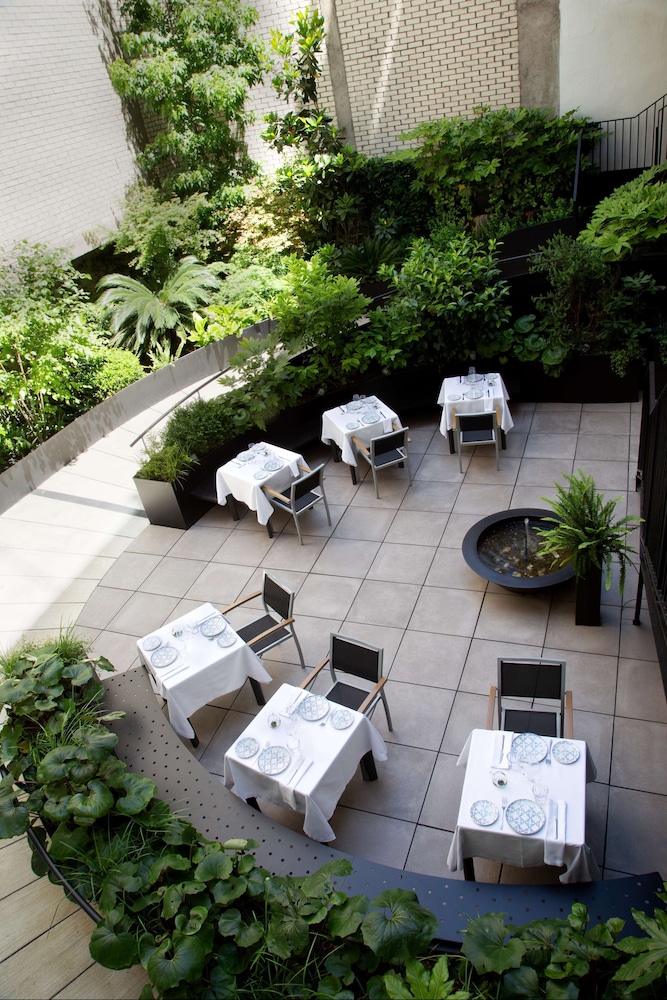
4★ 4★
Catalonia Atocha
Barrio de las Letras, Madrid · 4-starGuest score 4.6/5 from the booking supplier · 3854 reviewsSee live price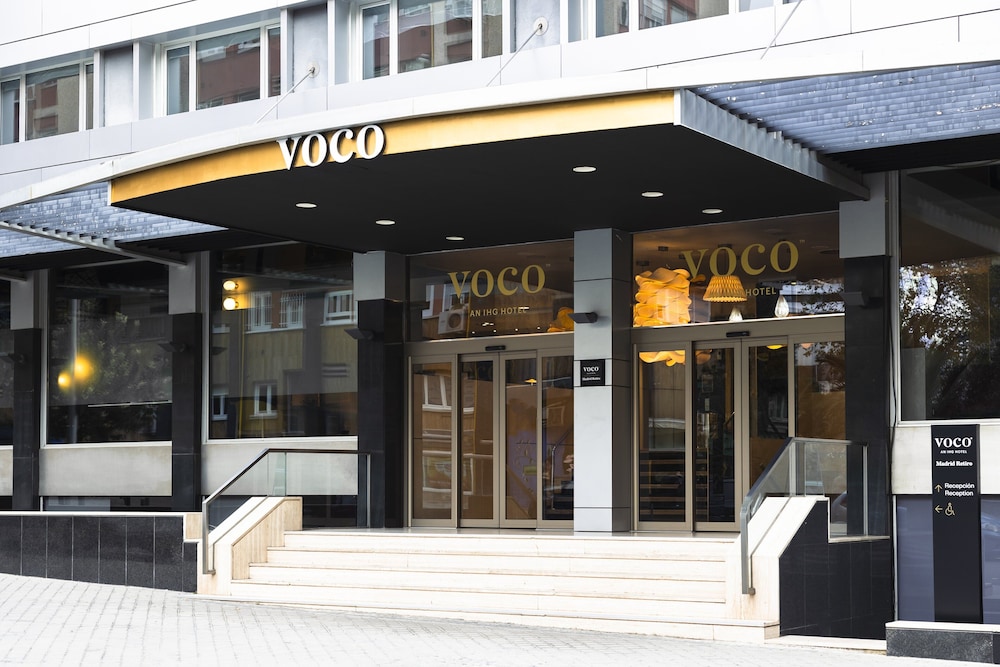 4★
voco Madrid Retiro by IHG
≈ 2 km from Salamanca, Madrid · 4-starGuest score 4.6/5 from the booking supplier · 519 reviewsSee live price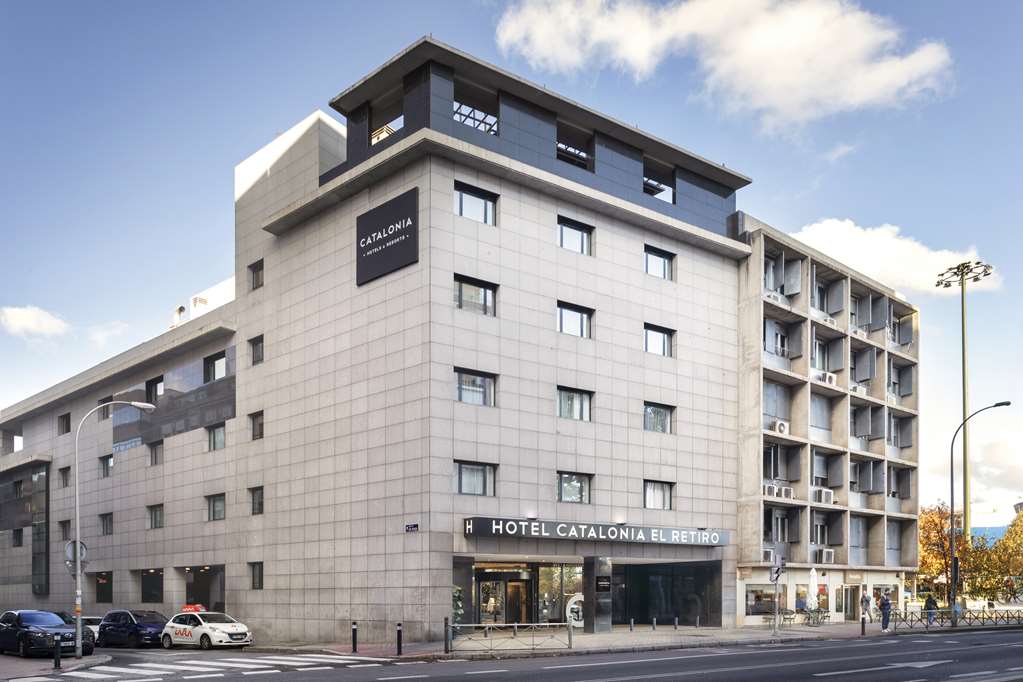 4★
Catalonia El Retiro
≈ 3 km from Barrio de las Letras, Madrid · 4-starGuest score 4.5/5 from the booking supplier · 1936 reviewsSee live price 4★
Only YOU Hotel Atocha
Barrio de las Letras, Madrid · 4-starGuest score 4.4/5 from the booking supplier · 6496 reviewsSee live price 4★
Hotel Claridge Madrid
≈ 3 km from Barrio de las Letras, Madrid · 4-starGuest score 4.4/5 from the booking supplier · 2798 reviewsSee live price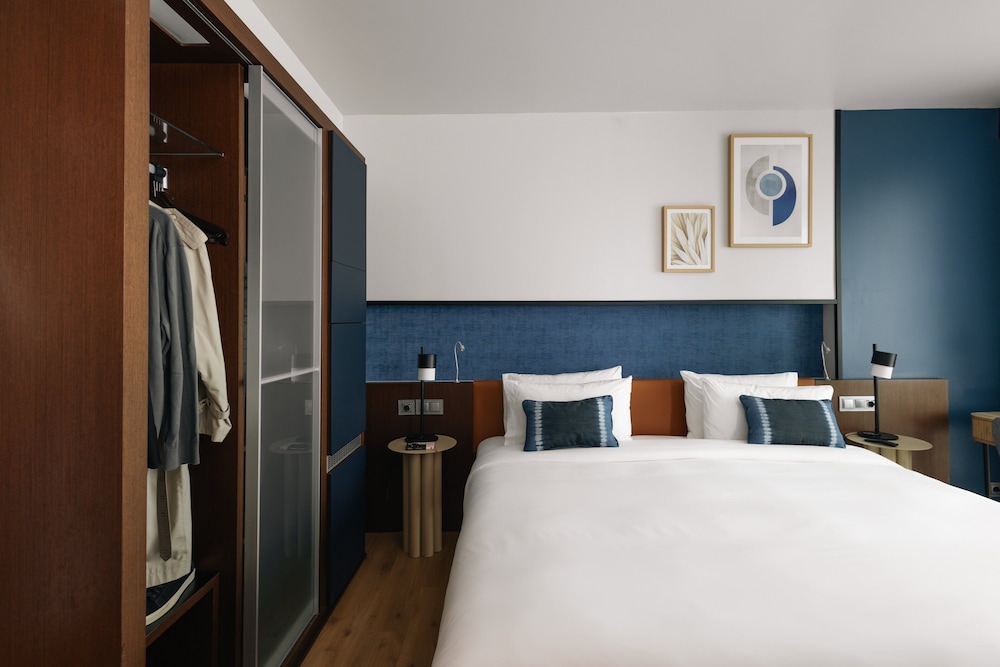 4★
Crowne Plaza Madrid Centre Retiro
≈ 2 km from Salamanca, Madrid · 4-starGuest score 4.2/5 from the booking supplier · 5038 reviewsSee live price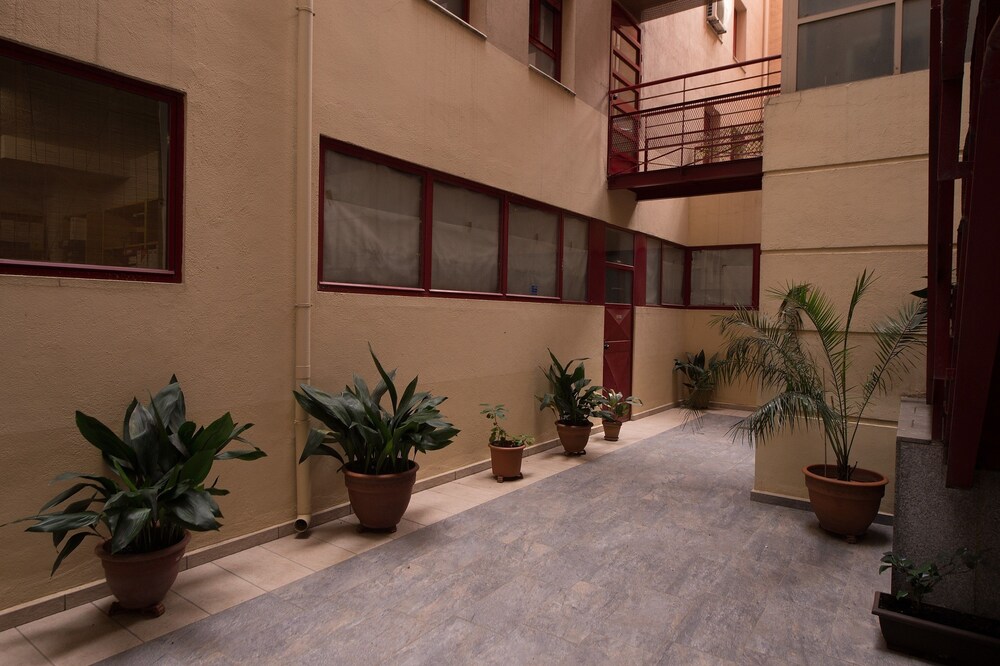 3★
Best Offer Rastro Madrid La Latina
Sol & Gran Vía, Madrid · 3-starGuest score 4.2/5 from the booking supplier · 1487 reviewsSee live price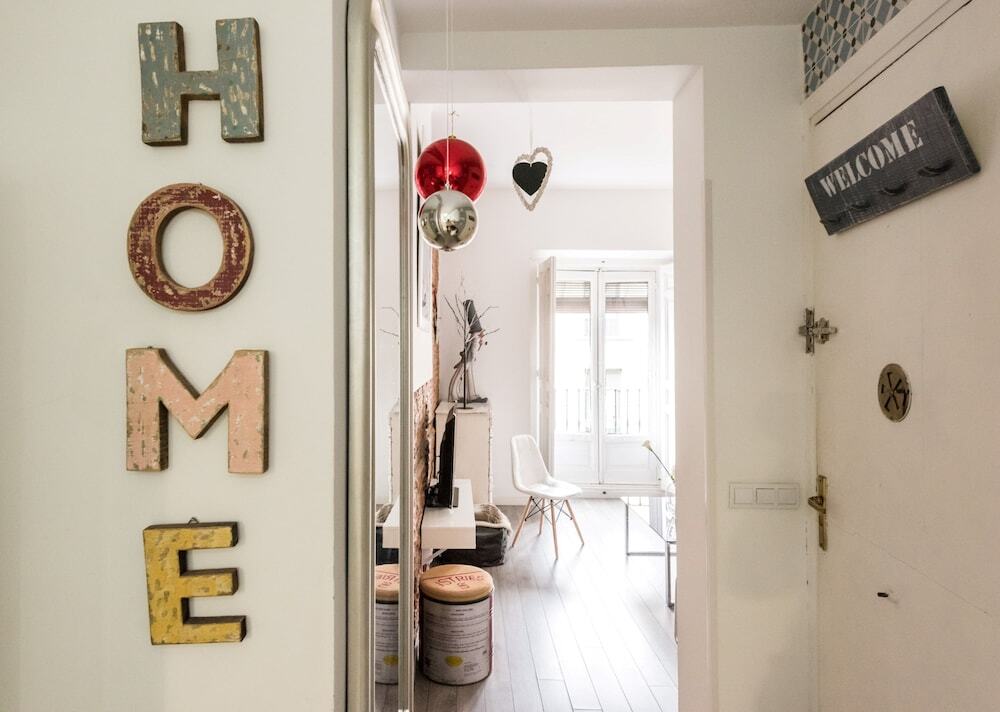 3★
Plaza de la Cebada City Center
Sol & Gran Vía, Madrid · 3-starGuest score 3.8/5 from the booking supplier · 355 reviewsSee live priceFrequently asked questions
Is there a non-stop flight from Cape Verde to Madrid?
No. There is normally no non-stop service, so a change of plane is needed, usually in Lisbon or the Canaries. Expect roughly 5 h of flying plus the connection. Schedules vary by season and by island, so check current timetables before booking.
Do Cape Verdean passport holders need a visa for Madrid?
Generally yes: a Schengen visa for Spain, which covers Madrid and the Canary Islands. EU, UK and many other passports enter visa-free for short stays. Rules change, so confirm with the Spanish consular services or an embassy well before you book.
How do you get from Madrid-Barajas airport into the city?
Metro line 8 runs to Nuevos Ministerios, where you can change for the centre. Cercanías commuter trains connect the airport with Chamartín, Nuevos Ministerios and Atocha, and an express bus runs to Cibeles. Taxis wait at the official ranks outside each terminal.
When is the best time to visit Madrid from Cape Verde?
April to June and September to October, when days are mild and evenings cool. July and August are hot and quiet, since many residents leave. Winter is cold but clear. Cape Verde's dry season runs November to June, so spring and autumn suit both ends of the trip.
How many nights do you need in Madrid?
Three or four nights cover the Prado, the old town and one neighbourhood, with time for a day trip. Add a night for Toledo or Segovia. Cape Verdean travellers visiting family in Europe often use Madrid as a short first stop before flying on.
Where should you stay in Madrid on a first visit?
Sol and Gran Vía put you in the middle of everything, with metro and trains close by. Las Letras is quieter and near the museums. Salamanca suits a calm, upmarket stay, and Malasaña suits nightlife. All four work without a car.
What is the time difference between Cape Verde and Madrid?
Cape Verde is on UTC-1 all year and does not change its clocks. Madrid is 2 hours ahead in winter and 3 hours ahead in summer, when Spanish clocks go forward in March and back in October. Allow a day to adjust, especially travelling east.
What food should you try in Madrid?
Jamón, tortilla, cocido madrileño and fried calamari sandwiches, plus churros with thick chocolate late at night. The lunchtime menú del día is a full meal. Vegetarian choice is better than it was but still limited in older bars. Dinner is late.
Do you need to speak Spanish in Madrid?
Spanish is the everyday language. English is common in hotels, museums and the airport, less so in neighbourhood bars and markets. Cape Verdean visitors who speak Portuguese will recognise many words and can usually read signs and menus without trouble.
More from Cape Verde
Sources: airline schedules, airport operators, official tourism and immigration authorities. Editorial review: 4 November 2026, IMPT Cape Verde editorial team. Schedules, entry rules and opening times change; check before you go.