
 5★
In short
Kitesurfing on Sal happens mainly at Kite Beach, east of Santa Maria, which suits lessons and freeride, and at Ponta Preta, west of town, a wave spot for experts. Trade winds are strongest about November to May and lighter in summer. Choose a school with radios and rescue cover, and check the forecast before booking lessons.
Island
Sal
Allow
Nov–May
Type
In the water
Nearest base
Santa Maria
Where can you kitesurf on Sal?
Two stretches of coast carry almost all the kitesurfing on Sal. Kite Beach lies east of Santa Maria, in the Praia da Fragata area, where the shoreline runs long and open and the wind comes across the water at an angle. Ponta Preta sits west of town, a shorter beach with Atlantic swell breaking over reef and sand. Both are public beaches within easy reach of Santa Maria, and both fill with riders between November and May.
The two spots reward different levels. Kite Beach has space for lessons, long reaches and freeride, and the water stays manageable at the edge. Ponta Preta is a wave spot, with swell wrapping in and tighter launch areas, so the level required is high. Beginners booked onto a course on Sal normally spend their whole time on the Kite Beach side and walk out at the gentler sections.
When is the kitesurf season on Sal?
Trade winds are strongest about November to May, and that is when most kitesurfing on Sal happens. December to March often brings the steadiest runs of wind, with several riding days in a row. The summer months, roughly June to October, are lighter and less dependable, though afternoon sea breezes still fill in on some days. Short, irregular rains fall mostly between August and October.
Wind is weather rather than a timetable. A week inside the season can still bring a calm day, and a summer visit can deliver good riding. If kitesurfing is the main reason for the trip, allow a buffer and check the forecast each morning with the school or the national meteorological service. Sea temperatures are warmest around August to October and coolest in February and March, when a top helps.
What is Kite Beach like?
Kite Beach is the working heart of kitesurfing on Sal. The beach runs along the Praia da Fragata area east of Santa Maria, with a wide strip of sand for rigging and a long water line that spreads riders out. Wind usually arrives across the beach rather than straight offshore, which keeps a margin of safety. On a good day there are riders of every level, from first body drags to jumps.
Lessons run from the sand and from the water, usually in small groups with an instructor on a board or a boat. A radio in the helmet lets an instructor talk a rider through the first water starts, and a rescue boat or support craft covers the session. Ask before booking how a school handles a rider who drifts downwind, and whether rescue cover is on the water throughout.
The beach gets crowded in the peak windy months, and etiquette matters. Riders launching keep clear of the lesson zone, give way downwind and roll lines out away from walkers. Kit left loose on the sand is a trip hazard. The beach is public, so swimmers and beachgoers share the water with kiters, and marked lesson zones exist to keep the two apart.
Is Ponta Preta only for experts?
Ponta Preta is a different proposition. The beach lies west of Santa Maria, short and steep, with Atlantic swell arriving from deep water and breaking over reef and sand. Waves build into clean walls on the right day. Riding here means riding waves, not just wind, and the launch and exit take judgement. Most visitors watch from the sand and leave the water to riders who surf and kite regularly at home.
The spot has hosted international wave competitions, which says something about its quality and its difficulty. On the biggest days the wave is beyond most holiday riders, and a kite is not always the right craft. Local knowledge helps: ask at a school in Santa Maria about the day's size, the tide and where the reef sits before deciding to launch. A guided session is a sensible first step.
Conditions turn quickly at Ponta Preta. A dropping tide or a shift in swell can change the wave and the exit, and a broken kite in the impact zone is a serious problem. Ride with someone, keep an eye on the shore and be ready to walk away. The beach is also a place to sit and watch, and the sunset side of Santa Maria draws a crowd when the swell is up.
How do you choose a kite school?
Several schools operate around Santa Maria and on Kite Beach, teaching everything from a first taster session to wave riding. Certification, insurance, small groups, working radios and a rescue boat on the water are the things to check before paying. A school that explains conditions, sets a lesson zone and asks about your experience is usually the safer bet. Book ahead in the windy months.
Equipment matters as much as teaching. Ask whether the kite and board are matched to your weight and the day's wind, whether a helmet and buoyancy aid are provided, and what happens if the wind drops mid-lesson. Confirm where gear is stored, how lessons are rescheduled after a calm day and how a session is called off. Get the answers before committing to a course.
- Radios in helmets: An instructor can talk a rider through a water start from a distance.
- Rescue cover: A boat or support craft should be on the water for every lesson.
- Group size: Small groups mean more attention and a shorter wait between runs.
- Instructor certification: Ask which body certifies the instructors and whether the school is insured.
- Lesson zone: A marked area keeps learners away from freeriders and from swimmers.
What should you pack for kitesurfing on Sal?
Pack what you would take to any warm-water kite spot. Board shorts and a rash vest cover most days, with a light wetsuit top for February and March and for long sessions in the swell. Sun protection matters, because the wind hides how strong the sun is, and a day on the water burns shoulders and legs. Bring water, a dry bag and a cap for the walk back.
Own gear is worth bringing if the trip is built around kitesurfing, though kites and boards travel as bulky luggage, so check the airline's rules on sports equipment before booking. Hire gear is available through the schools around Santa Maria, and rental is the easier choice for a short stay or a mixed holiday. Inspect anything you hire, and check lines and kite before launching.
- Sun protection: High-factor cream and a rash vest save a lot of discomfort on the water.
- Light wetsuit top: Useful in February and March, and on windy days out in the swell.
- Your own harness: A harness that fits makes long sessions easier, and hire sizes may not suit.
- Water and a dry bag: Fresh water and a bag for keys and a phone keep the beach day simple.
How do wind and tide affect a session?
The wind at Kite Beach usually comes across the beach at an angle, which gives a rider room to sort out a kite before committing to the water. It also means a rider who loses ground drifts along the shore rather than out to sea. Gusts arrive with the stronger days, so rig for the average and watch what other riders are using before choosing a kite size.
Tide changes the beach as much as the wind does. On a high tide the sand narrows and the launch gets tighter; on a low tide there is more room to rig but sometimes a walk to the water. Ponta Preta responds to tide and swell together, and the wave can close out at the wrong combination. Watch a full cycle before planning a session, and ask locally.
Getting to the spots and other things to do
Amílcar Cabral International Airport sits near Espargos, about 15 to 20 minutes by road from Santa Maria, and most kitesurfing visitors to Sal base themselves in or near the town. Kite Beach is a short drive east, Ponta Preta a short drive west. Taxis wait at the airport and in Santa Maria, and agreeing the fare before setting off avoids confusion at the other end.
Shared minibuses, known locally as aluguer, run between towns and leave when full, which suits a day out but not a dawn session with a board bag. Many schools arrange transport from Santa Maria or meet riders at the beach, and hire cars are available on Sal. If the plan is a week of riding, staying close to Kite Beach cuts out the daily drive.
- Pedra de Lume: Salt pans inside an extinct volcanic crater, where you float in the brine; a fee applies.
- Buracona: A natural lava pool on the west coast, with the Blue Eye light effect around midday.
- Shark Bay: Lemon sharks in the shallows, seen on a guided visit from the shore.
- Terra Boa: A flat plain known for mirages on hot days, on the road across the island.
Hotels in Santa Maria, Sal
For Kitesurf on Sal, the nearest base is Santa Maria, Sal, with 166 stays in the IMPT hotel database. Listed 5-star first, then 4-star, then by guest score. No prices here: each button opens live availability in the IMPT app.
5★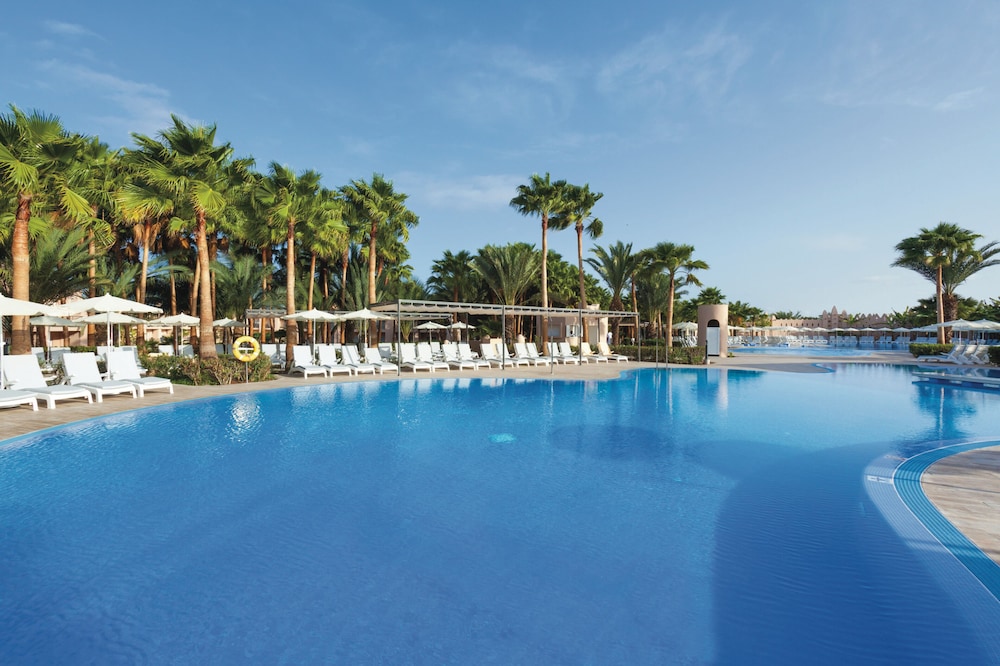 5★
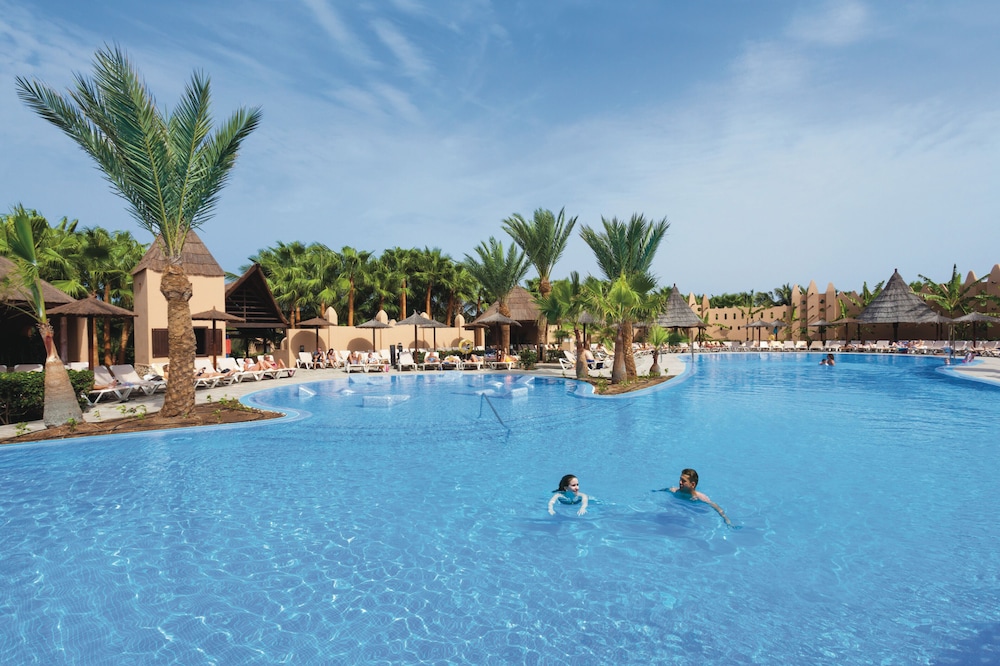
Hotel Riu Cabo Verde Adults Only All Inclusive
Santa Maria, Sal · 5-starGuest score 4.5/5 from the booking supplier · 3835 reviewsSee live price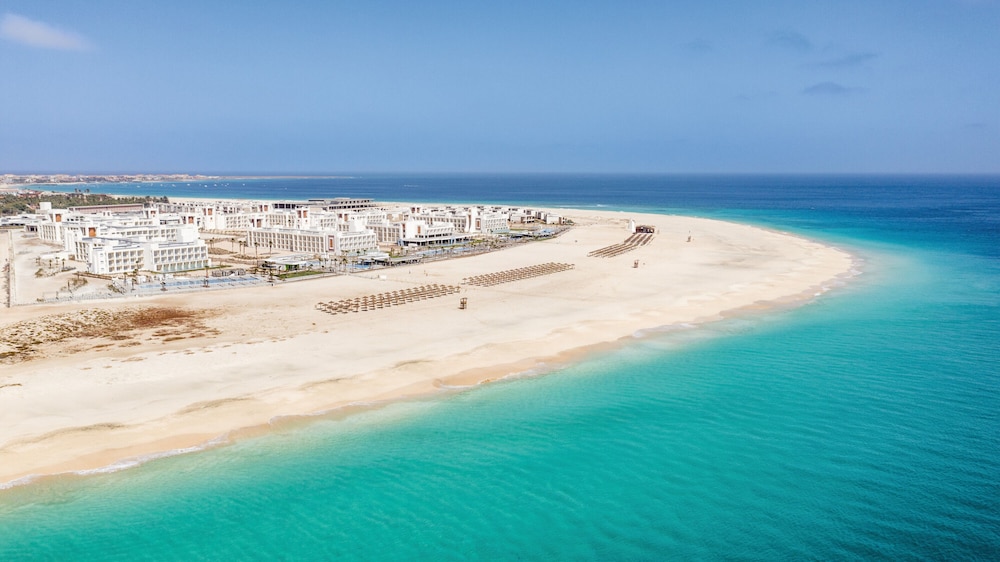 5★
Hotel Riu Palace Santa Maria All Inclusive
Santa Maria, Sal · 5-starGuest score 4.5/5 from the booking supplier · 2689 reviewsSee live price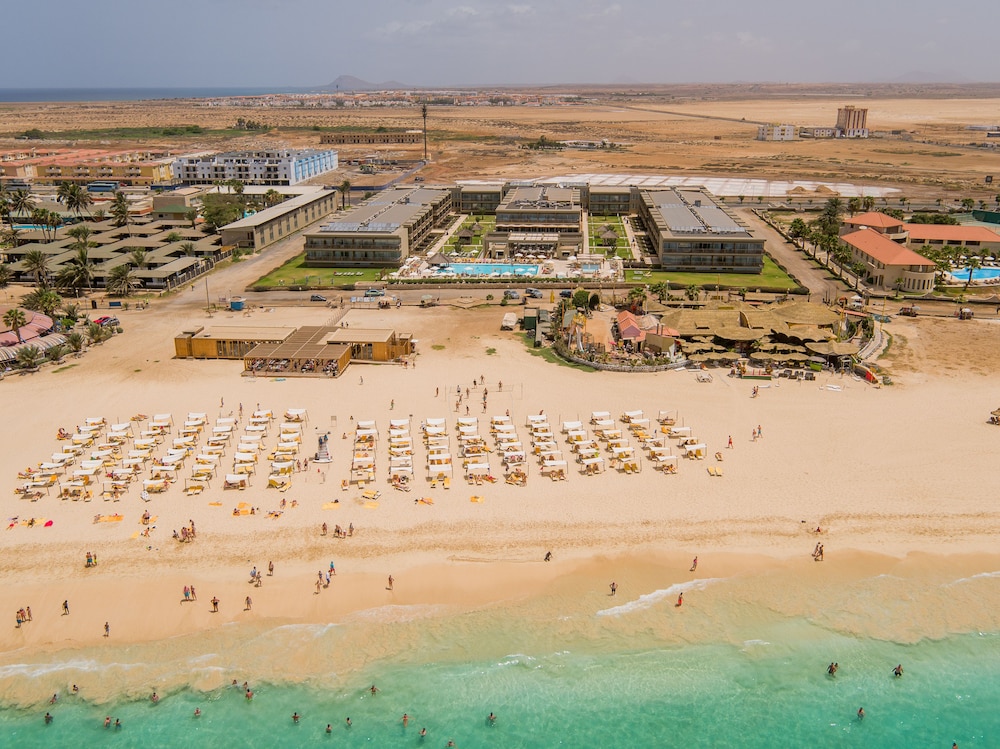 5★
Oasis Salinas Sea
Santa Maria, Sal · 5-starGuest score 4.4/5 from the booking supplier · 3777 reviewsSee live price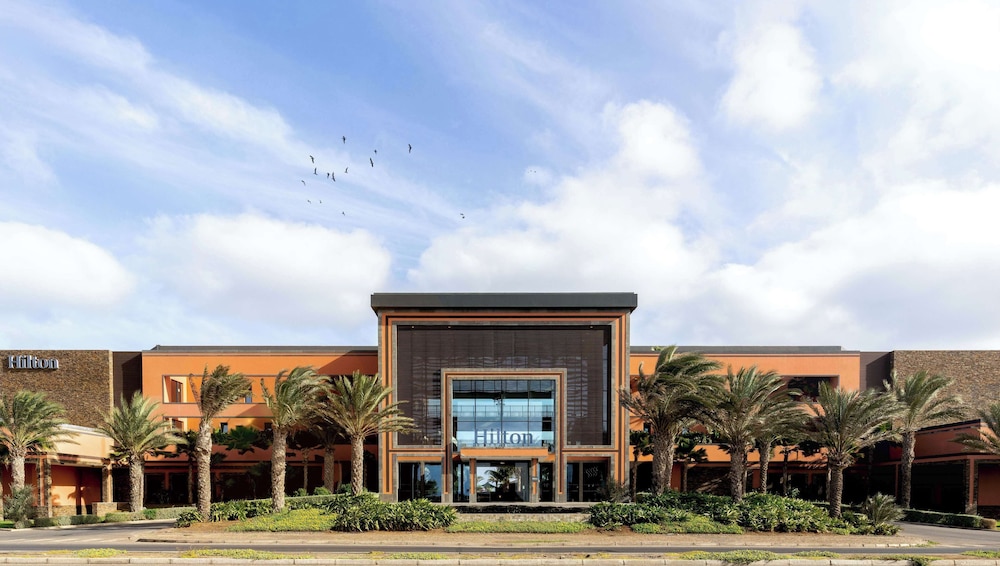 5★
Hilton Cabo Verde Sal Resort
Santa Maria, Sal · 5-starGuest score 4.4/5 from the booking supplier · 1708 reviewsSee live price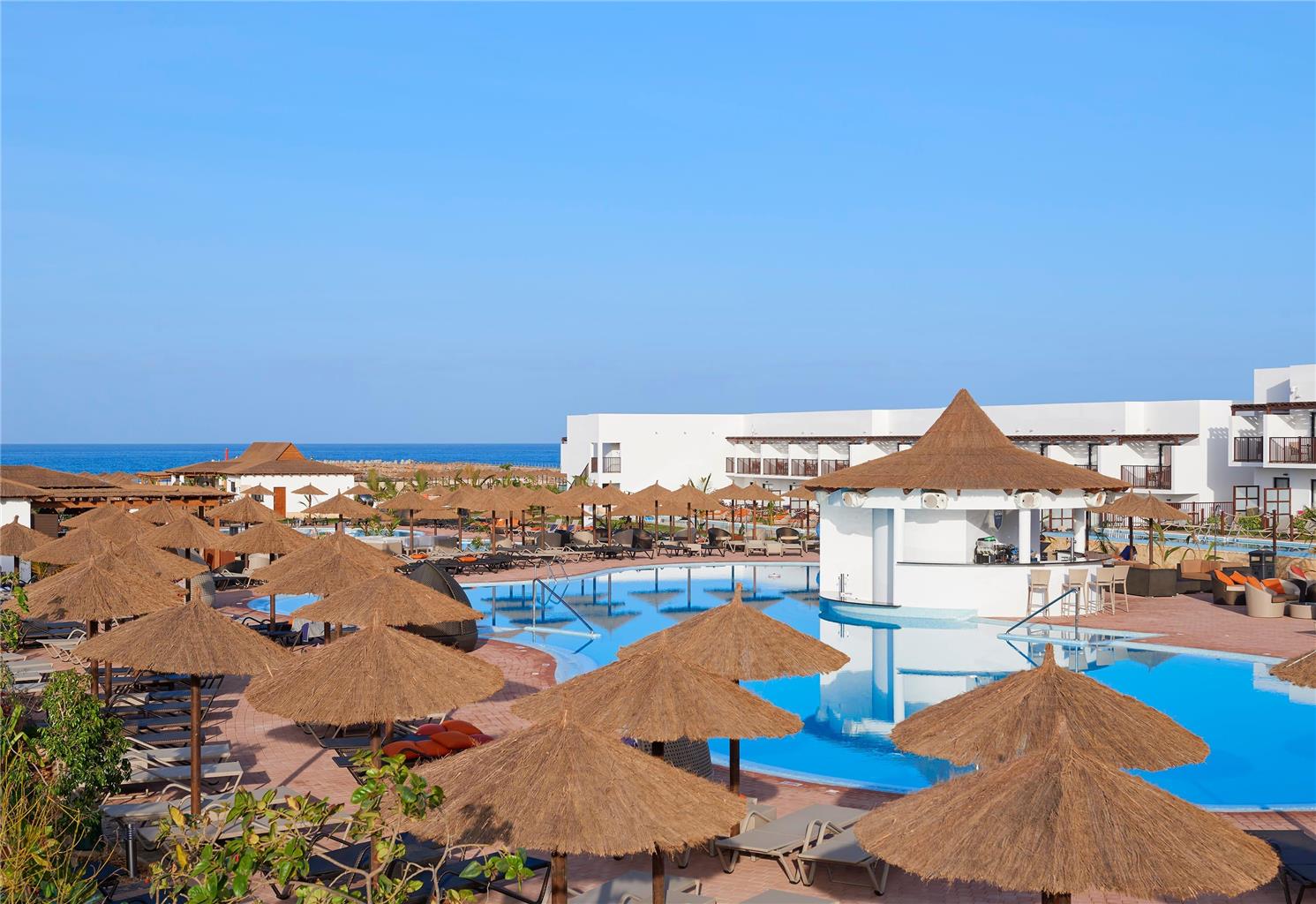 5★
Melia Llana Beach Resort & Spa All Inclusive Adults Only
Santa Maria, Sal · 5-starGuest score 4.4/5 from the booking supplier · 1486 reviewsSee live priceFrequently asked questions
When is the best time to kitesurf on Sal?
The trade winds are strongest about November to May, and that window gives the most reliable riding at Kite Beach and Ponta Preta. December to March often brings long runs of wind. Summer, roughly June to October, is lighter and less dependable, with short rains possible. Wind is weather, so check the forecast each morning.
Is Kite Beach on Sal suitable for beginners?
Kite Beach, east of Santa Maria in the Praia da Fragata area, is the main learning spot on Sal. The beach is wide, the water is manageable at the edge and the wind usually comes across the shore rather than straight out to sea. Schools teach there with radios and rescue cover. Choose one that sets a separate lesson zone.
Can you kitesurf at Ponta Preta without wave experience?
Not safely. Ponta Preta is a wave spot west of Santa Maria, with Atlantic swell breaking over reef and sand, and it has hosted international competitions. The launch and exit take judgement, and a broken kite in the impact zone is a real problem. Riders new to waves build time at Kite Beach first.
Do you need a wetsuit to kitesurf on Sal?
Most riders manage with board shorts and a rash vest for much of the year. A light wetsuit top helps in February and March, when the sea is coolest, and on long sessions out in the swell at Ponta Preta. The sea is warmest around August to October. Sun protection matters more than insulation.
How do you choose a kite school on Sal?
Look for a school that uses radios in helmets, keeps a rescue boat or support craft on the water and teaches in small groups. Ask about instructor certification, insurance, how gear is matched to your weight and what happens if the wind drops. Confirm how lessons are rescheduled after a calm day, and book ahead in the windy months.
Is kitesurfing on Sal safe for a first-timer?
Kitesurfing carries risk, and conditions on Sal can be strong. Lessons with a certified instructor, a radio and rescue cover reduce it, and Kite Beach has room to learn away from the waves. Stay within your level, avoid the wave spot until you are ready, and follow the school's lesson zone and the beach rules.
Where should you stay for kitesurfing on Sal?
Santa Maria is the usual base, with the widest choice of places to stay, food and transport, and both Kite Beach and Ponta Preta within a short drive. Staying close to Kite Beach cuts out the daily journey if riding fills most of the week. Espargos, near the airport, is quieter and further from the water.
Can you rent kite gear on Sal instead of bringing it?
Yes. Schools and rental outfits around Santa Maria and on Kite Beach hire kites, boards and harnesses, which suits a short stay or a mixed holiday. Bringing your own gear is worth it if kitesurfing is the focus, but kites travel as bulky sports luggage, so check the airline's rules before booking and inspect anything you hire.
How do you get to Kite Beach from Santa Maria?
Kite Beach lies a short drive east of Santa Maria, in the Praia da Fragata area, and Ponta Preta is a short drive west. Taxis run from town and from the airport near Espargos, about 15 to 20 minutes from Santa Maria; agree the fare first. Shared minibuses serve the island's towns, and many schools arrange transport.
Read next
Sources: Instituto Nacional de Meteorologia e Geofísica (INMG), Cape Verde Ministry of Tourism and Transport, Instituto Marítimo e Portuário. Editorial review: 4 November 2026, IMPT Cape Verde editorial team. Schedules, entry rules and opening times change; check before you go.