
 5★
Short answer
Pedra de Lume is a salt lake inside an extinct volcanic crater on Sal’s east coast, about 30–40 minutes from Santa Maria. The water is so salty that you float effortlessly. Allow one to two hours, bring water shoes and a towel, and combine it with the Buracona natural pool.
What is Pedra de Lume?
Pedra de Lume is a salt lake inside the crater of an extinct volcano on the east coast of Sal. Sea water seeps through the porous rock into the crater floor, below sea level, and evaporates in the sun, leaving a crust of salt and brine pools so dense that you float effortlessly — often compared with the Dead Sea.
The crater gave Sal its name. From the early nineteenth century salt was harvested here and exported, and in the early twentieth century an aerial cableway was built to carry salt over the crater rim to the small port of Pedra de Lume. Rusting pylons and the old village by the harbour still tell that story.

What to expect
- Entry: you reach the crater through a short tunnel cut into the rim, then walk down to the salt pans. An entrance fee is charged; check the current price on arrival.
- Floating: changing rooms and showers are available. The brine is very salty — keep it out of your eyes and any cuts, and rinse off afterwards.
- Views: pans of white and pink salt below the crater walls, best in the softer light of morning or late afternoon.
- Facilities: a small café and spa treatments using salt and mud from the lake.
How to get there
Pedra de Lume is on Sal’s east coast, around 30–40 minutes by road from Santa Maria and about 15 minutes from Espargos and the airport. Options include a taxi, a hire car, an island tour (often combined with Buracona and the Terra Boa mirage), or a quad or buggy tour. There is little shade at the crater and the road is exposed, so go in a vehicle rather than on foot.
Tips for your visit
- Bring water shoes — salt crystals can be sharp.
- Don’t shave the day before; tiny cuts sting in the brine.
- Bring a towel, water and sun protection; the crater floor reflects heat.
- Remove jewellery; salt can tarnish metal.
- Combine with Buracona in the late morning for the best chance of the “blue eye” light effect.
Pedra de Lume village and harbour
Below the crater, the old salt port has a whitewashed church, abandoned salt warehouses and fishing boats in the bay. It’s a quiet place to see Sal before tourism, with a couple of small places to eat fresh fish. The rusting cableway pylons on the hill make one of the island’s most photographed scenes.
Best time to visit
The crater is open year-round. Mornings are cooler and calmer; middays are hot and bright. On windy days the crater rim gives some shelter, but the access road can be dusty. Weekends and cruise-ship days are busier — go early if you want the pools to yourself.
Other things to do nearby
- Buracona: a natural pool in the black lava on the west coast.
- Terra Boa: a flat plain known for mirages on hot days.
- Espargos: Sal’s capital, with a viewpoint over the island.
- Santa Maria: the beach town in the south — see our Santa Maria area guide.
Who is Pedra de Lume for?
It suits almost everyone. Families find the floating fun, photographers come for the colours of the salt pans, and history lovers can trace Sal’s salt trade from the crater to the old harbour. It is not a long visit — two to three hours including the drive — so it fits easily into a beach holiday. Visitors with heart conditions or open wounds should take advice before floating in very salty water.
The science of floating
Sea water is about 3.5% salt. The brine in Pedra de Lume’s pans is many times saltier, because water entering the crater evaporates quickly in the sun and wind, leaving the salt behind. The extra salt makes the water much denser than your body, so you float high on the surface without effort. The same effect makes the water feel slightly oily and leaves a white crust on your skin as it dries — which is why the showers on site are so welcome.
The salt pans change colour with the light and with tiny salt-loving organisms in the water, from white to pale pink and green. That makes the crater as interesting for photographers as for swimmers.
Combining Pedra de Lume with an island tour
Many visitors see Pedra de Lume as part of a half-day or full-day island tour from Santa Maria. A typical route goes north through Espargos, Sal’s capital, east to Pedra de Lume, then across to the west coast for the Buracona natural pool and the “blue eye” light effect, and finishes at Terra Boa, the flat plain known for mirages. Some tours add the fishing village of Palmeira or a stop at Shark Bay, where lemon sharks gather in the shallows.
If you have a hire car, you can do the same loop at your own pace. Roads between the main sights are paved, but some coastal tracks are rough; ask locally before driving off-road.
Pedra de Lume salt and its history
For more than a century, salt from Pedra de Lume was a major export. Workers cut and carried salt by hand until the early twentieth century, when an aerial cableway was built to lift it over the crater rim to the harbour. Ships loaded it for Brazil, West Africa and Europe. The trade faded in the second half of the twentieth century, but the pylons, warehouses and small church remain.
Today small amounts of salt are still collected, and you can buy local salt as a souvenir. It is a reminder that before tourism, Sal’s fortunes rested on exactly what its name says.
Accessibility
The walk from the tunnel down to the salt pans is short but uneven, with some steps and sloping ground, and the salt crust can be slippery when wet. Visitors with limited mobility should ask on arrival about the easiest route. Bring a hat and water: there is little shade on the crater floor.
A suggested half-day plan
- 9:00 — leave Santa Maria by taxi, hire car or tour.
- 9:40 — arrive at Pedra de Lume before the crowds; walk through the tunnel to the salt pans.
- 10:00 — float, take photos and rinse off in the showers.
- 11:00 — walk down to the old harbour and church, and look up at the cableway pylons.
- 11:45 — drive west to Buracona for the natural pool around midday.
- 13:00 — lunch in Palmeira or back in Santa Maria.
If you prefer the afternoon, go after 15:00, when the light softens and the salt pans glow.
Pedra de Lume compared with other salt lakes
Visitors often compare the Pedra de Lume salt crater with the Dead Sea. The principle is the same: the brine is so dense with salt that you float effortlessly, lying back with arms and legs on the surface. The setting is very different, though — a small, bright pool in the bowl of an extinct volcano, surrounded by the white and pink pans of the old salt works, with the crater walls blocking the trade wind.
Because the pools are shallow and enclosed, the water is often warmer than the sea, and a visit takes an hour rather than a day. It is one of the most popular things to do in Sal, usually combined on an island tour with the Buracona “Blue Eye”, the mirage at Terra Boa and the lemon sharks of Shark Bay.
Photography tips
- Late morning light shows the colours of the salt pans best; midday glare is harsh on the white crust.
- Shoot from the viewpoint by the tunnel entrance for the full sweep of the crater.
- Keep cameras and phones well above the water — salt brine damages electronics quickly.
- A polarising filter or sunglasses over your phone lens cuts reflection on the pools.
Hotels in Santa Maria, Sal
For Pedra de Lume, the nearest base is Santa Maria, Sal, with 166 stays in the IMPT hotel database. Listed 5-star first, then 4-star, then by guest score. No prices here: each button opens live availability in the IMPT app.
5★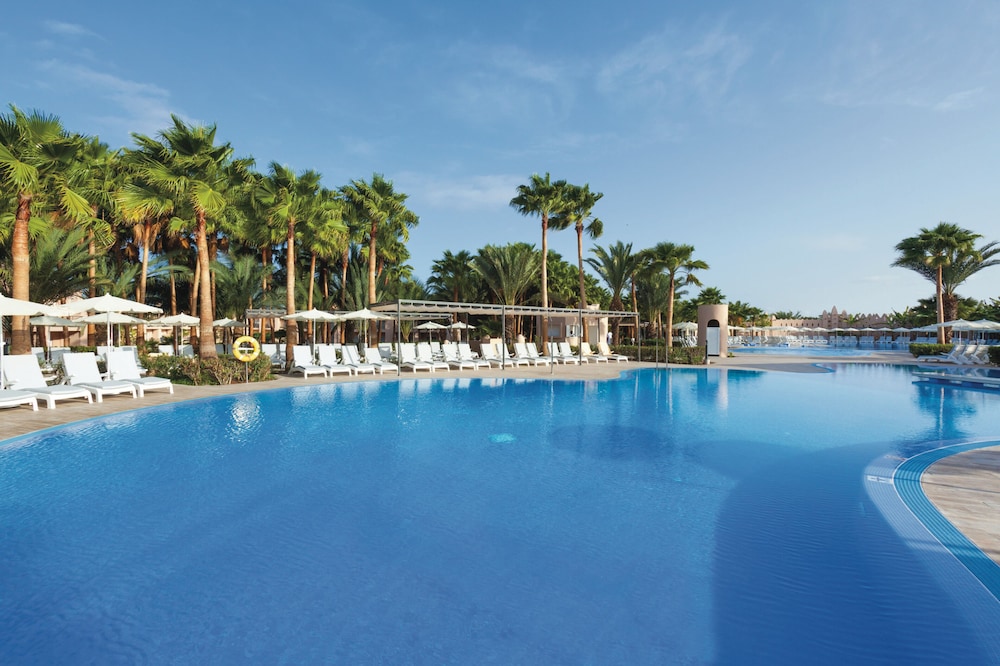 5★
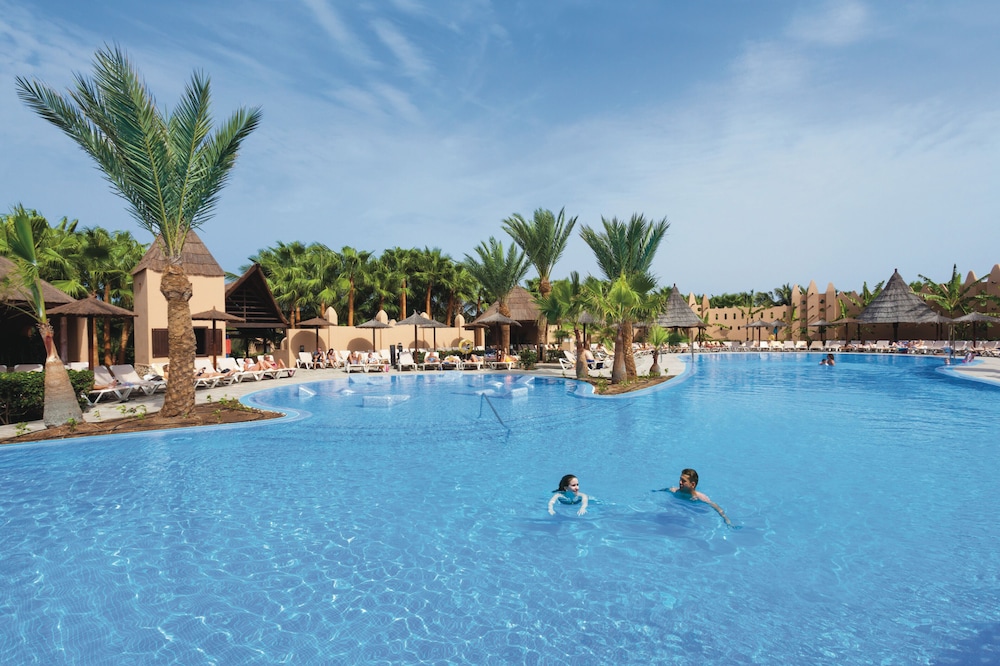
Hotel Riu Cabo Verde Adults Only All Inclusive
Santa Maria, Sal · 5-starGuest score 4.5/5 from the booking supplier · 3835 reviewsSee live price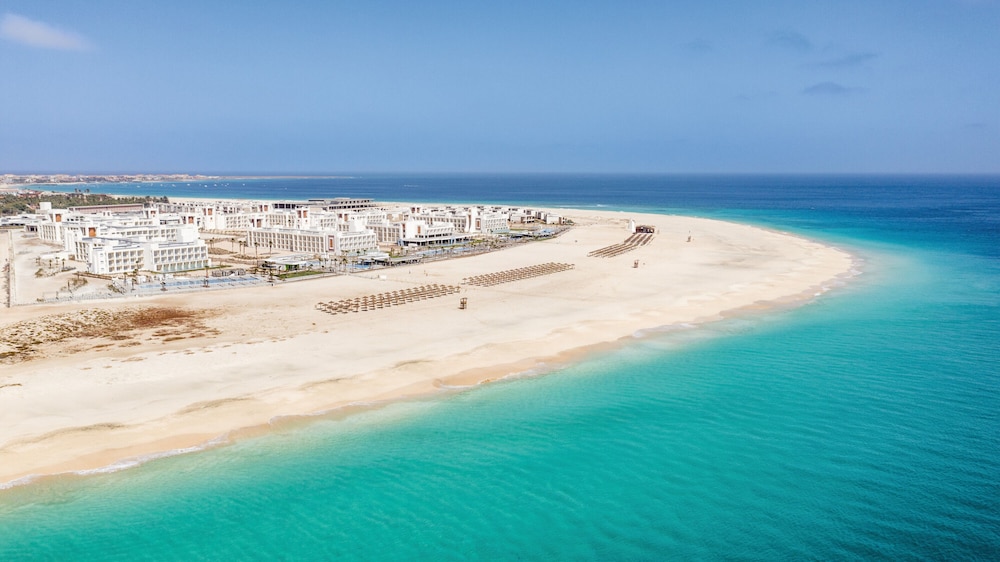 5★
Hotel Riu Palace Santa Maria All Inclusive
Santa Maria, Sal · 5-starGuest score 4.5/5 from the booking supplier · 2689 reviewsSee live price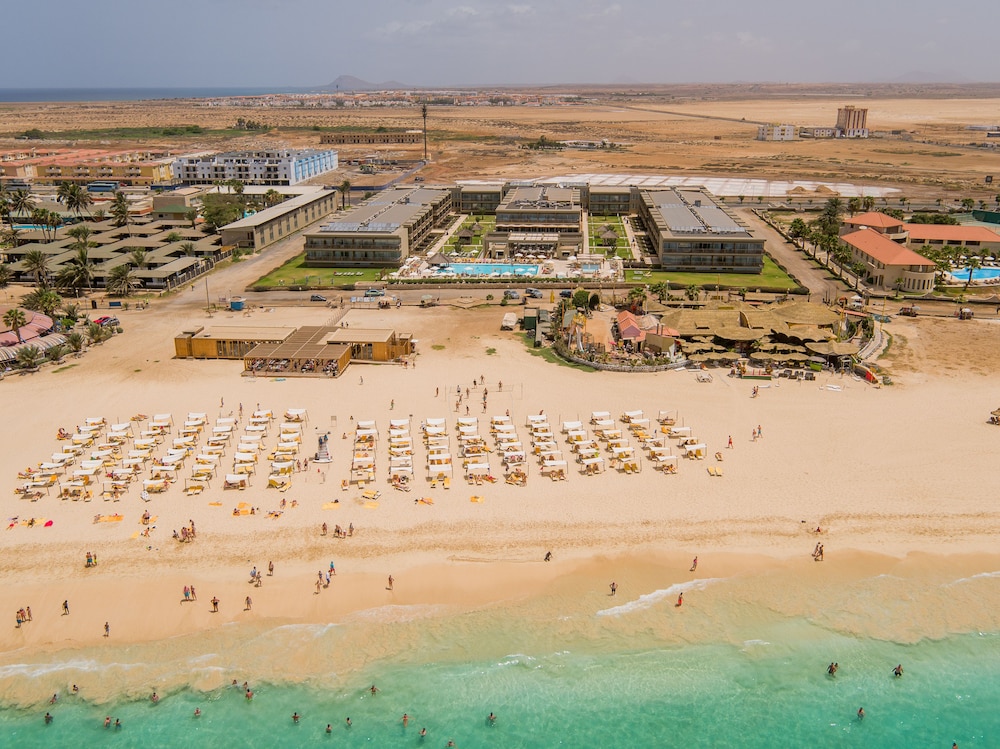 5★
Oasis Salinas Sea
Santa Maria, Sal · 5-starGuest score 4.4/5 from the booking supplier · 3777 reviewsSee live price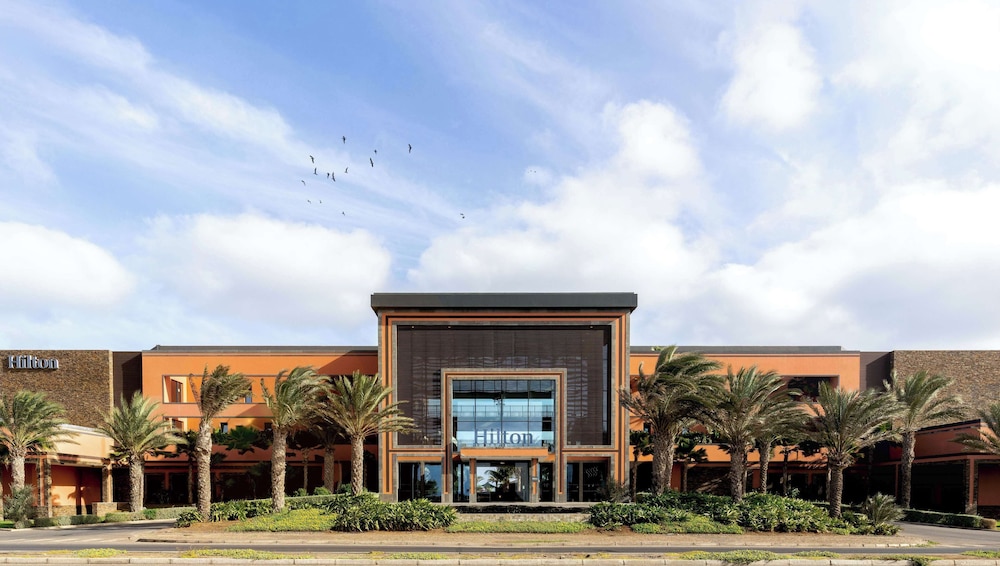 5★
Hilton Cabo Verde Sal Resort
Santa Maria, Sal · 5-starGuest score 4.4/5 from the booking supplier · 1708 reviewsSee live price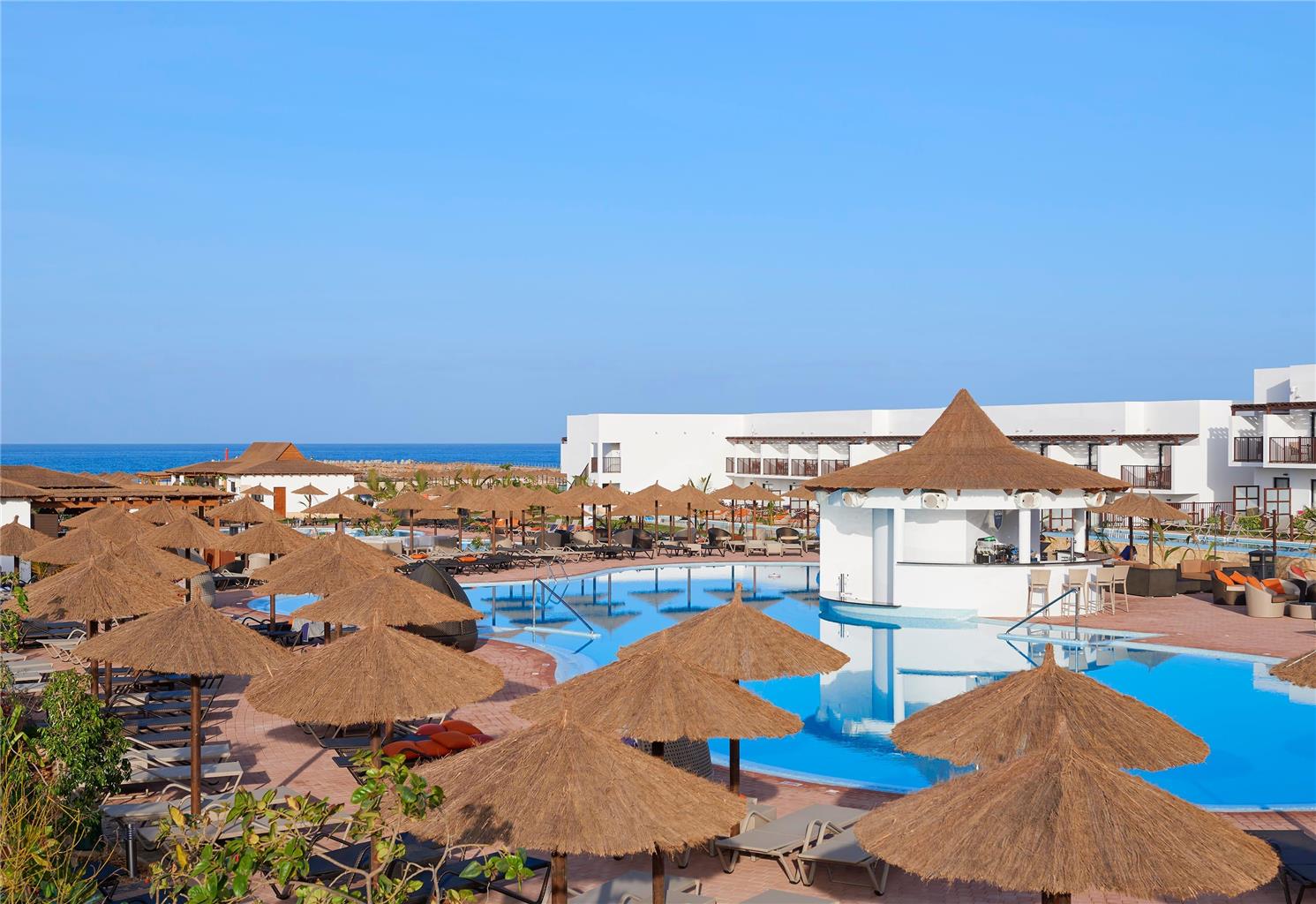 5★
Melia Llana Beach Resort & Spa All Inclusive Adults Only
Santa Maria, Sal · 5-starGuest score 4.4/5 from the booking supplier · 1486 reviewsSee live priceFrequently asked questions
Can you swim in Pedra de Lume?
You float rather than swim: the brine is so salty that the body rises to the surface, similar to the Dead Sea.
How long do you need at Pedra de Lume?
Allow one to two hours at the crater, or two to three including travel from Santa Maria.
Is there an entrance fee for Pedra de Lume?
Yes, a fee is charged at the entrance. Prices change, so check on arrival or with your tour operator.
How far is Pedra de Lume from Santa Maria?
About 30–40 minutes by road; roughly 15 minutes from Espargos and Sal’s airport.
What should I bring to Pedra de Lume?
Water shoes, a towel, drinking water and sun protection. Showers are available on site.
Why is it easier to float in the brine at Pedra de Lume?
The pans sit inside an extinct volcanic crater and below sea level. The brine is very salty, which makes the body more buoyant than in the sea. Enter slowly, keep brine out of the eyes and mouth, and rinse with fresh water afterwards. Check current visitor guidance locally before entering.
What was the role of salt at Pedra de Lume?
Salt was exported from the 1800s, and an aerial cableway carried it over the crater rim in the early twentieth century. The pans lie inside an extinct volcanic crater below sea level. The site is visited for its salt history and for floating in the brine. Check current opening arrangements locally.
What is the terrain like at Pedra de Lume?
The salt pans sit inside an extinct volcanic crater, below sea level, on Sal. Access involves leaving Santa Maria by road, about 30 minutes, then walking to the pans. Expect a stark salt landscape, bright light and uneven surfaces. Check current access arrangements for limited mobility before travelling.
What are the risks of the brine at Pedra de Lume?
The brine is very salty and can sting cuts, eyes and lips. Enter slowly, keep the head above water and avoid swallowing it. Rinse with fresh water after floating and drink water in the heat. People with skin conditions or recent wounds should take advice before entering.
Read next
Sources: Cabo Verde tourism information; editorial review November 2026. Entry fees and opening times change — check locally.
Photo credits: Juan Caparrós, CC BY-SA 4.0, via Wikimedia Commons.