
About Casa Alcindo
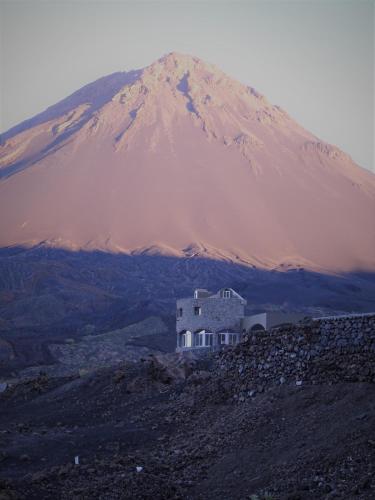
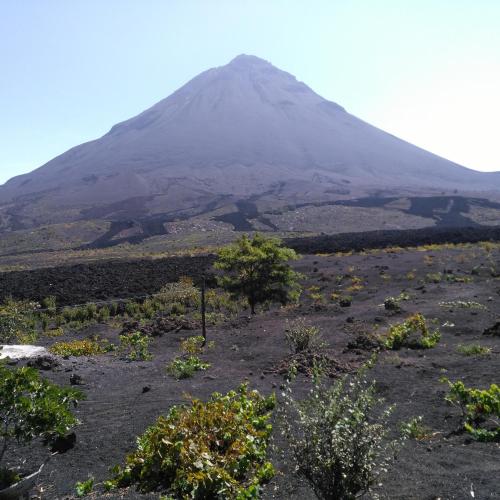
Casa Alcindo is a small guesthouse in Portela, inside the crater of Chã das Caldeiras on Fogo. It suits walkers who plan to climb Pico do Fogo and travellers who would rather sleep on the crater floor than in a coastal town. Couples and families both fit here, since the house keeps family rooms and cots. The island's draw is the volcano. At 2,829 m the summit is the highest point in Cape Verde, and the trail begins close to the villages. This is a base for the mountain, not for the beach.
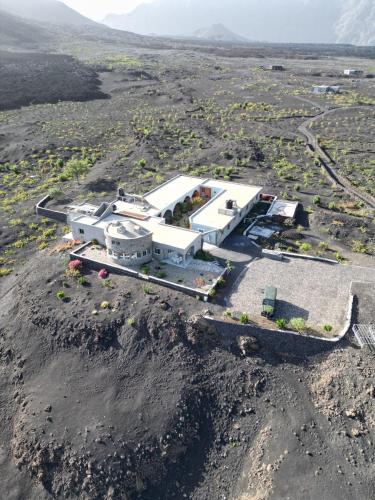
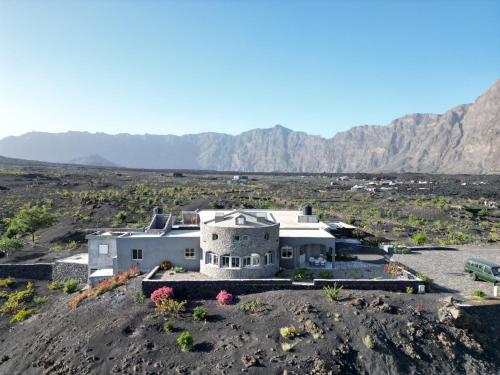
Casa Alcindo is a three-star guesthouse, run as a straightforward, practical place rather than a resort. Wi-Fi is available, and the house has a 24-hour front desk, an on-site restaurant and a bar, a terrace and a garden, parking and laundry service. The kitchen caters for special diets, so mention any requirement when booking. The style is modest and the setting is the point: black volcanic ground, vines and smallholdings around the buildings, and the crater rim above. Expect quiet rather than evening entertainment.
Location and surroundings
The crater of Chã das Caldeiras sits high on Fogo, a bowl of black lava and ash below Pico do Fogo. Two villages, Portela and Bangaeira, share the floor, and families here grow grapes and make wine and goat's cheese. The eruption of November 2014 to February 2015 buried much of both villages in lava, and they have been partly rebuilt since. Casa Alcindo stands in Portela, roughly half a kilometre from the village. Days are warm and nights are cool at this altitude, and the ground underfoot is volcanic.
The crater floor is walkable. Portela is about half a kilometre away, and the climb to the summit of Pico do Fogo begins from the crater, with the top 3.3 km away in a straight line. Everything beyond the crater needs wheels: São Filipe is 15.9 km in a straight line and Mosteiros 8.1 km, both further by road. Aluguers, the shared pick-ups that leave when full, serve the island, and hire cars and driver-guides can be arranged. Agree any taxi fare before setting off.
By day the crater is bright and exposed, with sun on dark ground and little shade outside the guesthouse garden. Trade winds are strongest from about November to May, when the air is dry and the views are clearest. Rain, when it comes, falls mostly between August and October and can bring cloud onto the rim. Nights are dark, quiet and noticeably cooler than the coast, and traffic in the crater stops after dusk. Bring a torch for evenings on the terrace.
Rooms and facilities
The 24-hour front desk matters here. Arrivals from a delayed domestic flight into São Filipe, or from a late ferry, can reach the crater after dark, and someone is on hand to let you in. Family rooms and cots make the house workable for parents travelling with children, and non-smoking rooms are available. Couples wanting a quiet base for the summit walk are the other obvious fit. Ask about access if steps or uneven ground are difficult, since the buildings sit on volcanic terrain.
Rooms are a shelter from sun and wind rather than a place to spend the day. The garden and terrace give somewhere to sit out of the direct sun, and the bar is indoors. At crater altitude the wind picks up in the afternoon and the temperature drops after sunset, so a jacket helps even in summer. A shower, towels and a safe are listed among the services. The altitude also means less night heat than in São Filipe, which most people welcome after the climb.
Confirm the practical points when you book: check-in and check-out times, which meals the restaurant serves and when, and whether the kitchen can handle a specific diet. Laundry service is listed, so ask about turnaround if you are walking and want clothes washed. Massage is offered, and booking ahead is sensible. Ask about parking if you hire a car, and about front desk arrangements if you plan to arrive very late. Wi-Fi is available, though a mountain position means the connection can vary.
All 22 listed facilities
- 24 Hour Front Desk
- Bar/Snack/CafEn'
- Bars
- Cleaning
- Concierge
- Cot
- Family rooms
- First aid
- Free Wifi
- Free car parking
- Garden
- Internet access
- Laundry Service
- Lunch
- Massage
- Non smoking rooms
- Parking
- Restaurant(s)
- Safe
- Special diets
- Terrace
- Wifi
Getting there
São Filipe airport (SFL) handles domestic flights and sits 15.1 km from Casa Alcindo in a straight line. The road distance is longer, because the route leaves the coast and climbs to the crater. Taxis wait at the airport, and a pre-arranged transfer is the simplest option with luggage. Agree the fare before leaving. The last stretch is on volcanic tracks, so allow time and travel in daylight where possible. Domestic schedules change, so check current schedules with the airline before fixing a climb date.
São Filipe, the island's main town, is 15.9 km away in a straight line and further by road. The town has colonial sobrado houses and a black-sand beach with strong currents, so it works as a first or last stop rather than a swimming base. From there, hire cars and driver-guides can take you up to Chã das Caldeiras. Ferries link São Filipe with Praia and Brava, and crossings depend on the weather. If you arrive by sea, plan the drive up the mountain for the following morning.
Aluguers are the local shared transport, leaving when full: slow but useful for short hops. A hire car gives more freedom, though the crater tracks suit a high-clearance vehicle. Weather delays affect ferries, so keep a buffer day before any international flight. International departures leave from other islands, which means a domestic flight from São Filipe or a ferry to Praia first. Build that connection into your plans, and check current schedules and crossing times with the operators.
| To | Distance |
|---|---|
| São Filipe airport (SFL) | 15 km |
| São Filipe centre | 16 km |
| Chã das Caldeiras (Portela) | 500 m (walkable) |
| Pico do Fogo summit | 3 km |
| Mosteiros | 8 km |
Beaches, food and sights near Casa Alcindo
The summit of Pico do Fogo is 3.3 km from the guesthouse in a straight line, and the trail begins on the crater floor. At 2,829 m it is the highest point in Cape Verde, and a local guide is the sensible way up: the route crosses loose volcanic ground and the weather can turn. The eruption of November 2014 to February 2015 left fresh lava around the villages, and the lower path passes it. Start early, carry water and wear boots with grip.
Two settlements are within reach for a half-day. Mosteiros, 8.1 km away in a straight line on the north-east coast, is a small fishing town with a dark shoreline. São Filipe, 15.9 km away, is the main town, with Portuguese colonial houses and a black-sand beach where currents are strong, so swimming is not advised. Both are further by road than the straight-line figures suggest. A driver-guide can combine either with the crater drive, which saves arranging separate transport.
Food on Fogo comes from the island. The crater's vineyards produce wine, and the goat's cheese made here is known across Cape Verde. Elsewhere you will find cachupa, the slow-cooked corn and bean stew, fresh tuna and grilled fish. Casa Alcindo has its own restaurant and bar, which matters in a crater where the nearest alternative is a drive away. Evenings are quiet: a drink on the terrace, then the night sky, which is the main attraction once the villages switch off their lights.
- Climb Pico do Fogo (about 3 km)
A day from Casa Alcindo
Start before sunrise if you are climbing Pico do Fogo. The trailhead is on the crater floor, so the walk begins near the guesthouse door and the summit lies 3.3 km away in a straight line. A local guide sets the pace and reads the weather. Cool morning air helps, and the trade winds usually stay light until late morning. Take water and food with you, and tell the front desk your plan so someone knows when to expect you back.
After the descent, the afternoon is for slowing down. The garden and terrace give shade, and the bar is open for a drink. If you still have energy, drive down towards Mosteiros on the north-east coast, 8.1 km away in a straight line, for a look at the fishing town and the shoreline. Otherwise stay in the crater and walk between Portela and the surrounding smallholdings, where vines grow in the volcanic soil. Keep the afternoon loose: cloud can build on the rim in summer.
Dinner comes from the guesthouse kitchen, with island dishes and, in season, produce grown in the crater. Afterwards the terrace is the place to be: the crater is dark and the air cools quickly. Sleep early if the summit is planned for the next day. On the final morning, allow time for the drive down to São Filipe, 15.9 km in a straight line but longer by road, and further still if you are catching a ferry to Praia or Brava.
Booking tips and when to go
Book ahead for the dry months and around Cape Verdean holidays, when domestic flights and crater beds fill. Carnival in February, with dates that move with Lent, is a busy period across the islands and affects flights. The same applies to European summer holidays, when inter-island seats tighten. Ask about check-in and check-out times when you book, since the house handles late arrivals through its 24-hour desk. Confirm dates directly with the property and keep a copy of the confirmation offline.
Fogo is driest from about November to June, when the summit path is usually clear and crater views are best. The trade winds are strongest in the same window, so expect wind on the ridge. Rain falls mostly from August to October and turns the crater green, but cloud can hide the summit and tracks get slippery. The sea is warmest from August to October and coolest from February to March, and dust haze from the Sahara occasionally reaches the islands in winter. Check the forecast before fixing a climb date.
Carry cash in escudos, since the island has few banking points and the crater fewer still. The escudo is pegged at 110.265 to the euro. Protect against sun and wind: the crater is exposed, and the temperature drops after sunset. At São Filipe's black-sand beach the currents are strong, so stay out of the water. Before travelling, most visitors must pre-register on the EASE platform at ease.gov.cv and pay the airport security fee. Rules change, so check ease.gov.cv or a Cape Verde embassy before booking flights.
Casa Alcindo: questions
Where is Casa Alcindo?
Casa Alcindo stands in Portela, one of the villages inside the Chã das Caldeiras crater on Fogo. The crater floor sits below the Pico do Fogo cone, about 3.3 km from the summit in a straight line. The guesthouse is roughly 16 km from São Filipe, the island's main town on the west coast.
How do guests reach Casa Alcindo from the airport or ferry port?
São Filipe airport (SFL) handles domestic flights and lies about 15 km from Casa Alcindo in a straight line. Ferries from Praia and Brava dock at São Filipe. From there the road climbs to the crater, and the final stretch is rough in places. A local driver-guide is the usual arrangement. Check current schedules before travelling.
Is there a beach at Casa Alcindo?
No. Casa Alcindo sits inside the Chã das Caldeiras crater, high on Fogo, and the nearest sand is on the coast at São Filipe. That black-sand beach has strong currents, so swimming calls for care. Most guests treat the crater and the volcano as the reason to stay, not the sea.
What facilities does Casa Alcindo offer?
Casa Alcindo is a three-star guesthouse with Wi-Fi, a 24-hour front desk, an on-site restaurant and a bar. There is parking, a terrace and a garden, plus family rooms and laundry service. Non-smoking rooms, cots and special diets can be arranged. The restaurant serves lunch, and massage is available.
Does Casa Alcindo suit families?
Casa Alcindo has family rooms, cots and a garden, and the terrace gives children space between outings. The crater is a working farming landscape known for wine and goat's cheese, so young children need supervision. There is parking on site and a restaurant, which keeps evenings simple. Ask the front desk about rooms that fit your group.
What are the check-in and check-out times at Casa Alcindo?
Confirm check-in and check-out times with Casa Alcindo when you book. The 24-hour front desk means arrivals can be handled outside usual hours, and it helps to tell the team your expected time, especially if the drive up from São Filipe runs late. Ask about late arrival before travelling.
What is there to see near Casa Alcindo?
The main reason to stay at Casa Alcindo is Pico do Fogo, whose summit is about 3.3 km away in a straight line. The climb is usually done with a local guide, starting early. Around Portela and Bangaeira you can see fields and houses rebuilt after the 2014-15 eruption, and taste wine and goat's cheese made in the crater.
When is the best time to stay at Casa Alcindo?
The climate around Casa Alcindo is warm all year. The driest months, roughly November to June, suit the climb to Pico do Fogo, and the crater greens up after the short rains from August to October. Trade winds are strongest from about November to May. Check the forecast with local guides, since conditions on the summit change.
What is the best way to book a room at Casa Alcindo?
Book Casa Alcindo directly through the guesthouse or a reputable booking site, and confirm the room type, the number of guests and any cot you need. Ask about the drive up from São Filipe and whether a driver-guide can be arranged. Confirm the cancellation terms before paying. Check entry rules on ease.gov.cv well before travel.
Similar stays near Casa Alcindo
 3★
 3★
 3★
More hotels in Chã das Caldeiras · hotels on Fogo · all Cape Verde hotels.