
 5★
In short
The Santa Maria pier, the pontão, was built in the salt era to load salt onto ships. Fishing boats still land here, mostly late morning and into the afternoon, with tuna, wahoo and other catch cleaned on the boards. It is free to walk. Keep a respectful distance when fishermen are working and ask before taking close photographs.
Island
Sal
Allow
1 h
Type
Culture
Nearest base
Santa Maria
What is the Santa Maria pier?
The pontão at Santa Maria is the town's old salt pier, built in the salt era so that salt from the pans could be loaded onto ships lying offshore. Santa Maria grew from salt works started in the 1830s by Manuel António Martins, and the pier served that trade long before tourism reached Sal. It is a plain working structure that reaches into the water and gives a clear view back along the town and the beach.
Fishing is the working life of the pier now, and the salt trade that built it has gone. Boats come alongside, the catch is lifted onto the boards and gutted there, and boxes are filled for the journey to kitchens and market stalls in town. Walking the pier is free, and people cross it on foot through the day, stopping to look at the water or watch a boat unload at the steps.
When do the boats land?
Landings happen mainly in the late morning and through the afternoon, as boats return from the water around Sal. There is no timetable, and the pattern shifts with weather, swell and season, so an early arrival can mean an empty pier and a wait by the rail. Boats work the water and come back when the catch is aboard, not to a clock. Allow about an hour and treat the timing as a rough guide.
Weather sets the rhythm. Wind and swell can keep boats ashore or send them back early, and a rough day means fewer fish on the boards and less work to watch. The trade winds are strongest from about November to May, and the short rains fall mostly between August and October, which changes both the look of the harbour and the amount going on. If the pier is quiet, the boats moored nearby and the moving water still make the walk worthwhile.
What fish are landed here?
Tuna and wahoo are the catch most people hope to see, landed whole and then opened up on the boards. Both are staples of Cape Verdean cooking, grilled fresh or simmered in stews, and both move quickly from the pier to kitchens and market stalls. Alongside them come smaller fish, sorted and cleaned at the water's edge before the boxes are closed. The work starts as soon as a boat ties up and waits for nobody.
The work is quick and practised. A fish is gutted, rinsed and cut in minutes, and the boards are sluiced down between landings. Nothing is staged for visitors, so the scene is the same whether anyone is watching or not. Stand back from the knives and the swinging fish, and keep bags and feet clear of the wet boards. The smell of salt water and fresh fish carries along the front on a still day.
- Tuna: Landed whole and a staple of Cape Verdean cooking, grilled fresh or stewed.
- Wahoo: A long, fast fish landed beside the tuna, with firm white flesh.
- Smaller fish: The mixed catch that fills the boxes and goes to market stalls.
- Cleaning boards: Where gutting, rinsing and cutting happen within minutes of a boat tying up.
How to behave with a camera
This is a workplace, not a set. Fishermen are working to the rhythm of the catch, handling sharp knives and heavy fish, and a camera in the face slows them down. Ask before taking close portraits, and put the camera down if the answer is no or if nobody has time to reply. Wide shots of the pier, the boats and the water need no permission at all.
Children jump from the pier into the water while the cleaning goes on, and fishermen work around them. Photographs of people in the water are best taken from a distance, and a clear picture of a child should not be posted without the family's agreement. Otherwise keep the pier clear, watch footing on the wet boards, and step aside when a boat comes in. Fish blood and scales make the boards slick, so move slowly.
- Ask first: A gesture towards the camera and a nod is enough; take a refusal without pressing.
- Stay clear: Keep back from knives, hooks, ropes and the boards where the catch is cleaned.
- Mind the edge: The planks are slick when boats unload; watch footing near the water.
- Late light: Softer afternoon light is kinder to faces and to the water than harsh midday sun.
Can visitors swim from the pier?
Local children use the pier as a diving platform, and adults swim off the beach nearby. The sea is warmest from about August to October, at roughly 25 to 26 °C, and coolest from February to March, at around 21 to 22 °C. That range makes a dip easy for most of the year, though wind on the boards can make the air feel cooler than the water.
Swell, current and the movement of boats vary through the day, so watch the water before getting in. Boats come alongside without much warning, and the gap between the pier and a hull is no place to swim. The boards are often wet and slippery, which is the more common hazard for anyone walking out to watch. Keep an eye on children at the edge, especially when a boat is tying up.
What else is near the pier?
The pier sits on Santa Maria's seafront, within walking distance of the centre, the beach and the places along the water where people eat in the evening. It fits between a morning on the sand and an afternoon elsewhere on Sal, and the visit costs nothing beyond the walk. Most people spend about an hour, longer if the boats arrive together. The town is small enough to cross on foot, and the waterfront is where most evenings end.
Santa Maria is the main base on Sal, with Amílcar Cabral International Airport at Espargos about 15 to 20 minutes away by road. Kite Beach and Ponta Preta are close by for windier afternoons, and the salt pans at Pedra de Lume are about 30 minutes by road, which makes an obvious pairing with a pier built for salt. Aluguer minibuses link the island's towns, and taxis wait at the airport.
When is the best time to visit?
Late morning and afternoon bring the landings, and the light softens towards evening. Midday sun on the boards is fierce, with little shade, so hat, water and a shirt matter more here than on the beach. Dust haze from the Sahara can flatten the light and the view for a day or two in winter, and the short rains of August to October change the mood of the harbour.
Weekdays are quieter than the islands' peak weeks, when Santa Maria fills and the pier gets a steady trickle of onlookers. Early in the morning the pier is mostly a place for a walk and a look at the water. If fish are in and boats are landing, stay longer than planned. Trade winds from about November to May keep the air moving, which makes the walk to the end of the pier more comfortable.
- Water: Carry a bottle for a walk that can stretch past an hour in the sun.
- Hat and shirt: Sun on the boards is strong even when the wind makes it feel mild.
- Grippy shoes: Planks and steps get wet and slick when the catch is cleaned.
- Camera: Wide shots of the pier and water work better than close portraits of people at work.
How to get to the pier
The pier is a short walk from most of Santa Maria. Aluguer minibuses and taxis serve the town, with taxis at the airport and in the centre; agree the fare before setting off. Hiring a car makes sense if the day also takes in Pedra de Lume, Buracona or the beaches west of town. Walking is the simplest way to arrive, since the centre and the seafront sit together.
Pedra de Lume, the salt pans inside an extinct crater, is about 30 minutes away by road and a natural pairing with the pier's salt history. Kite Beach and Ponta Preta are near Santa Maria for windier afternoons. Buracona and its Blue Eye on the west coast need a car and a clear midday, when the sun is high and the light effect shows. Both make a full day out if the day starts early and the pier is kept for the afternoon.
Hotels in Santa Maria, Sal
For Santa Maria pier at catch time, the nearest base is Santa Maria, Sal, with 166 stays in the IMPT hotel database. Listed 5-star first, then 4-star, then by guest score. No prices here: each button opens live availability in the IMPT app.
5★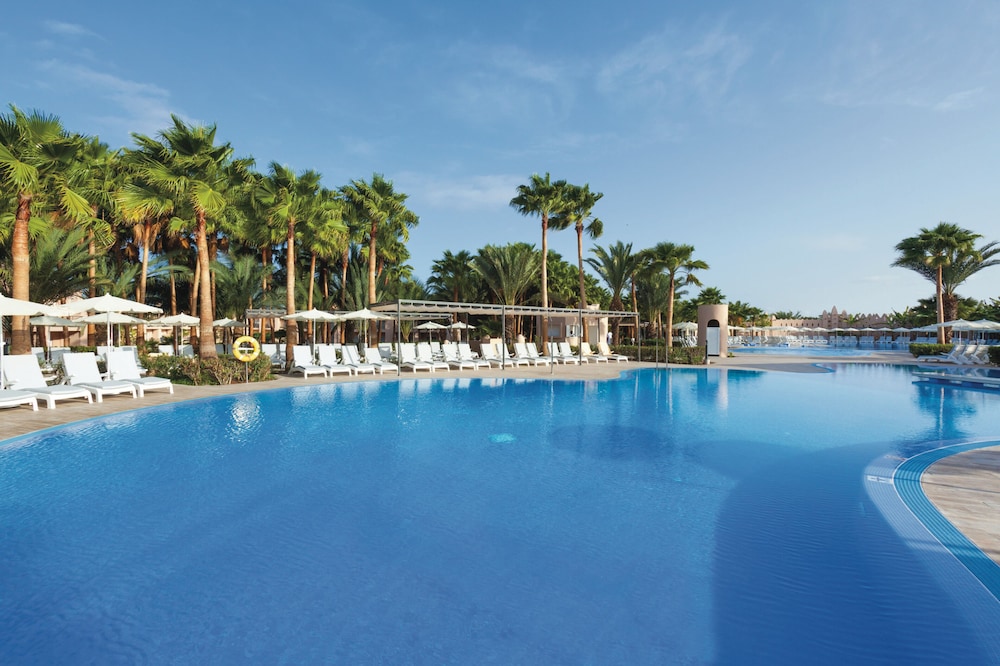 5★
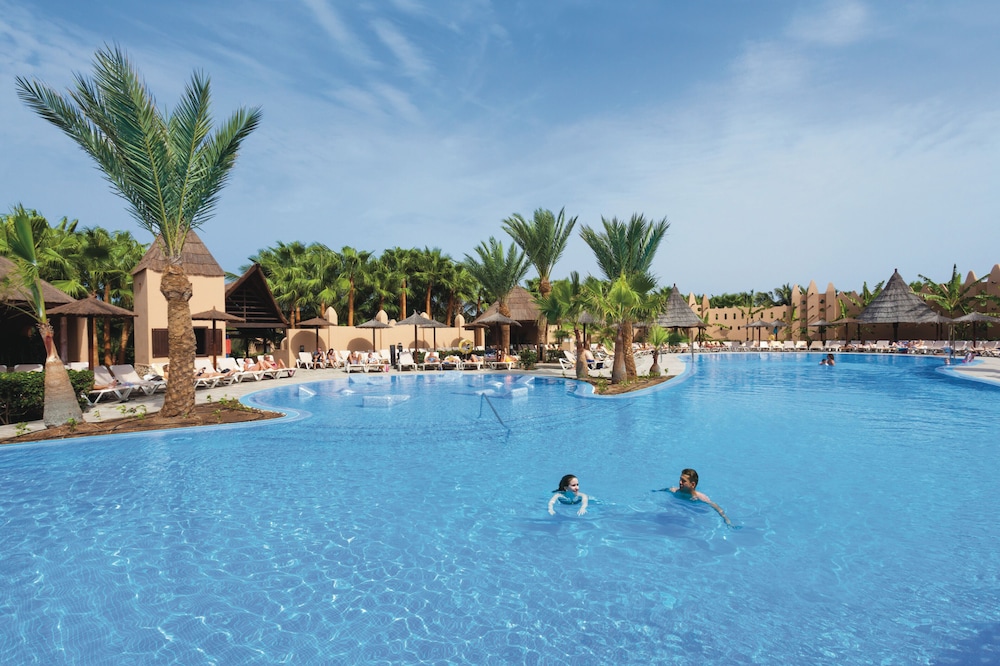
Hotel Riu Cabo Verde Adults Only All Inclusive
Santa Maria, Sal · 5-starGuest score 4.5/5 from the booking supplier · 3835 reviewsSee live price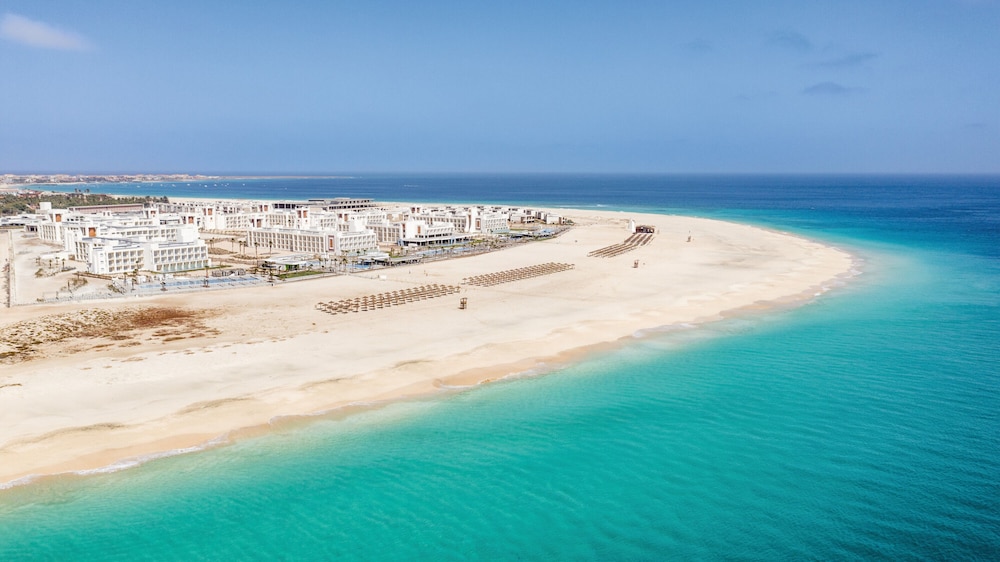 5★
Hotel Riu Palace Santa Maria All Inclusive
Santa Maria, Sal · 5-starGuest score 4.5/5 from the booking supplier · 2689 reviewsSee live price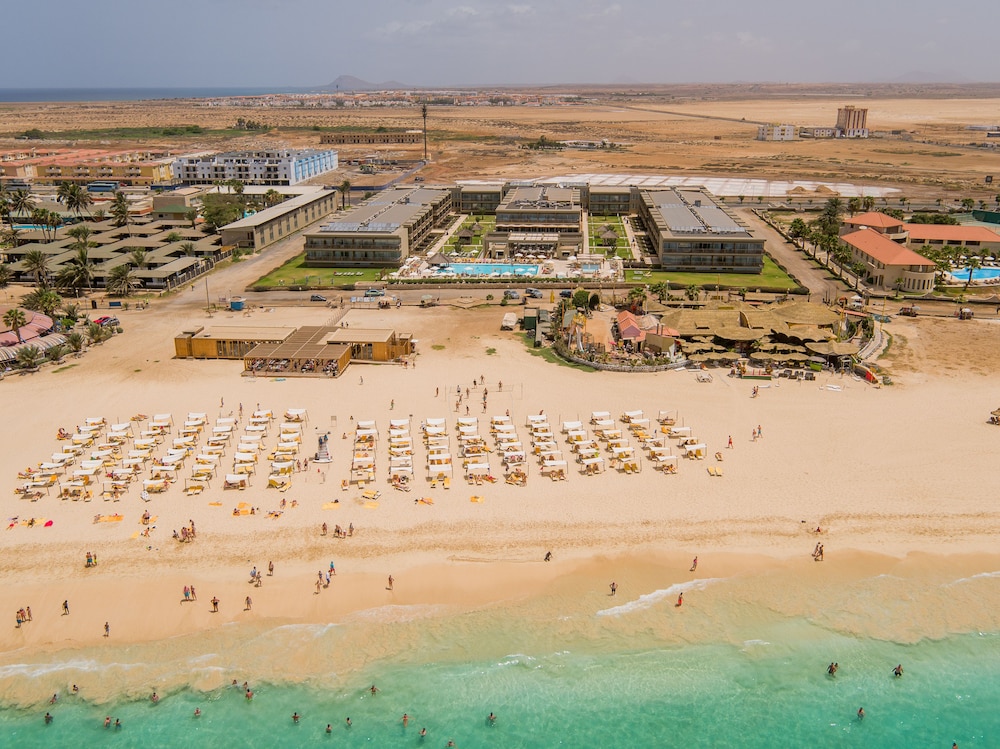 5★
Oasis Salinas Sea
Santa Maria, Sal · 5-starGuest score 4.4/5 from the booking supplier · 3777 reviewsSee live price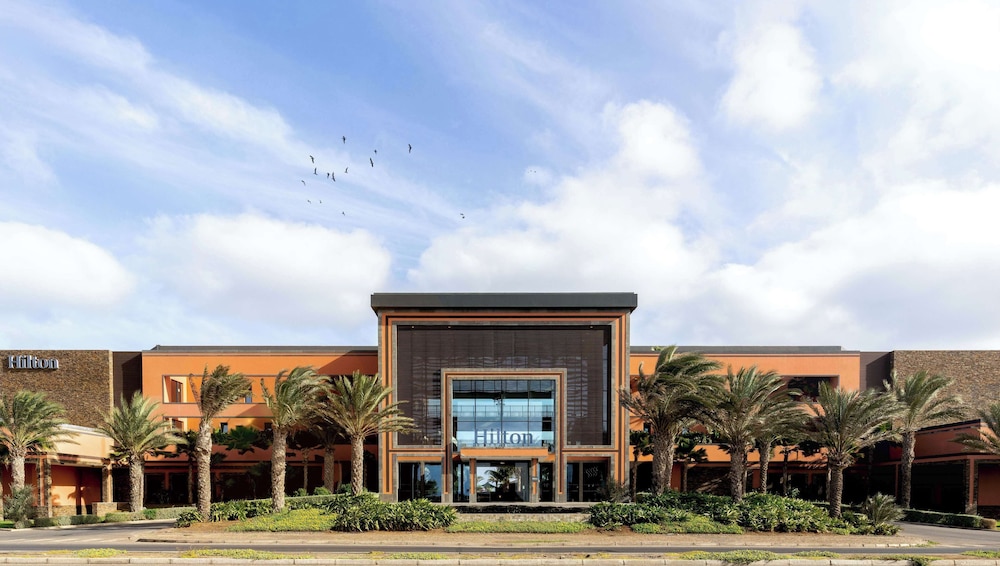 5★
Hilton Cabo Verde Sal Resort
Santa Maria, Sal · 5-starGuest score 4.4/5 from the booking supplier · 1708 reviewsSee live price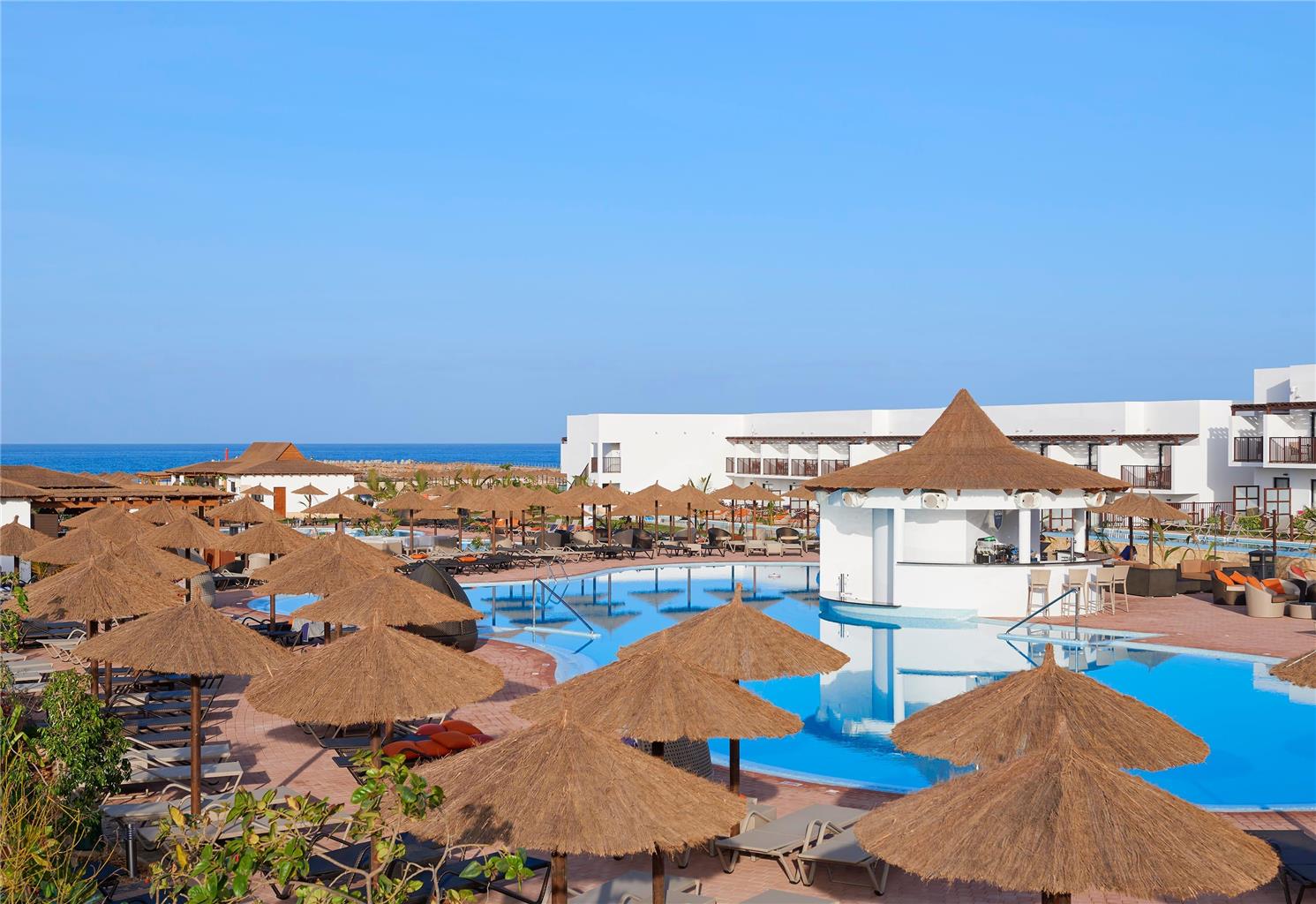 5★
Melia Llana Beach Resort & Spa All Inclusive Adults Only
Santa Maria, Sal · 5-starGuest score 4.4/5 from the booking supplier · 1486 reviewsSee live priceFrequently asked questions
Is the Santa Maria pier free to walk?
Walking the pier is free. There is no ticket and no gate, and it can be crossed at any time of day. The pier is a working place, so the only thing to watch is the activity: boats tying up, knives on the cleaning boards and wet, slippery planks.
When do fishing boats land their catch at the Santa Maria pier?
Landings happen mainly in the late morning and through the afternoon, as boats return from the water around Sal. There is no fixed timetable. Weather, swell and season all move the pattern, so plan about an hour at the pier and be ready for an empty stretch followed by two or three boats at once.
Which fish are landed at the Santa Maria pier?
Tuna and wahoo are the fish most often landed, with smaller fish mixed in. The catch is gutted, rinsed and cut on the boards within minutes of a boat tying up, then packed into boxes for kitchens and market stalls in town. Species and size vary through the year with weather and fishing.
Is it acceptable to photograph fishermen at the Santa Maria pier?
Ask before taking close portraits. Fishermen are working with sharp knives and heavy fish, and a camera in the face slows them down. A gesture towards the camera and a nod is usually enough. Wide shots of the pier, boats and water need no permission, and a refusal should be accepted without pressing.
Can children swim or jump off the Santa Maria pier?
Local children jump from the pier, and adults swim nearby. Watch the water first, because swell and current change through the day, and keep out of the space where boats tie up. The boards are often wet and slippery, which is the likelier mishap than the swim itself. Supervise children at the edge.
How long should a visit to the Santa Maria pier take?
An hour covers a walk to the end, a look at the boats and a spell watching the catch being cleaned. Stay longer if landings begin, since several boats can arrive close together and the boards get busy. Early in the morning the pier is quiet, and the main activity builds later in the day.
Why was the Santa Maria pier built?
It was built in the salt era so that salt from the pans could be loaded onto ships lying offshore. Santa Maria grew from salt works started in the 1830s by Manuel António Martins, and the pier served that trade long before tourism reached Sal. The salt trade has gone; fishing took over the working life of the pier.
Is the Santa Maria pier suitable for children?
Children enjoy the pier, especially when local children are jumping into the water and fish are being cleaned. The boards are wet, there are knives in use and boats come alongside without warning, so hold hands near the edge and keep back from the cleaning. An hour is enough for most families.
What is nearby the Santa Maria pier on Sal?
Pedra de Lume, the salt pans in an extinct crater, is about 30 minutes away by road and pairs naturally with the pier's salt history. Kite Beach and Ponta Preta are near Santa Maria. Buracona and its Blue Eye on the west coast need a car and a clear midday for the light effect.
Read next
Sources: Município de Sal, ENAPOR, Cabo Verde Ministry of Tourism and Transport. Editorial review: 4 November 2026, IMPT Cape Verde editorial team. Schedules, entry rules and opening times change; check before you go.
Photo credits: Adrião, CC BY 3.0, via Wikimedia Commons.