
 4★
In short
Espargos is the capital of Sal, a working town in the middle of the island about 15 to 20 minutes from Santa Maria and a few minutes from Amílcar Cabral International Airport. It has no beach. Stay here for an early flight, a ferry from Palmeira, or everyday Cape Verdean town life, with Pedra de Lume and Buracona within a short drive.
Why stay in Espargos?
Espargos sits in the middle of Sal, on flat, dry ground between Santa Maria and the north coast. It is the island capital and a working town, with council offices, schools, banks and shops rather than resort frontage. You will find no sea views or promenade here, but you will find the island as people live it. Rooms suit travellers with an early flight, a ferry from Palmeira, or an interest in ordinary Cape Verdean town life.
The town grew around the airport, which opened in 1939, and its streets still run to the rhythm of arrivals and departures. The centre is small enough to cross on foot in half an hour, and food, shops and transport sit within a few blocks. Pedra de Lume, Palmeira and Buracona are short drives. Santa Maria's beaches are a straight run south on a paved road. Nothing on Sal is far, and nothing here is arranged for visitors in a hurry.
Where is Espargos on Sal?
Espargos occupies the centre of Sal, about 15 to 20 minutes by road from Santa Maria and a few minutes from Amílcar Cabral International Airport, which sits on the edge of town. Sal is flat and dry, and the town spreads out at low level. The low hill above it is the only real viewpoint, with the salt pans, the coast and the runway below. The roads from the centre fan out toward every corner of the island.
Because Sal is small, Espargos works as a hub. Palmeira port, where ferries and cargo boats come in, is about 10 minutes west. Pedra de Lume and its salt pans are about 15 minutes east. Santa Maria is 15 to 20 minutes south. Buracona and the west coast lie further north, on roads that turn rougher once the tarmac ends. None of these journeys takes long, which is why a night in Espargos costs you little time.
- Palmeira port: About 10 minutes west of town, for the fishing harbour and inter-island ferries.
- Pedra de Lume: About 15 minutes east, for the salt pans inside an extinct volcanic crater.
- Santa Maria: 15 to 20 minutes south, for the main beaches, restaurants and evening life.
- Buracona: Further north on the west coast, for the natural pool and the Blue Eye.
Is there a beach in Espargos?
No. Espargos has no beach in the town, and the shoreline within easy reach is rocky and exposed rather than sandy. Anyone staying here for swimming treats the south coast as a day out, driving to Santa Maria and the bays around it. The town's appeal is practical: a bed, a shower, food within walking distance and a short run to the airport. It is a place to sleep and to watch island life.
The nearest proper swimming is around Santa Maria, where the beach faces west and south, and at the bays toward Ponta Preta. Kitesurfers head for Kite Beach and Ponta Preta when the trade winds are strong. The sea is warmest from about August to October and coolest from February to March. Shade is scarce on most of these beaches, so plan around the middle of the day.
What to see in and around Espargos?
The town itself is the sight: a grid of streets around the main square, shops selling household goods and food, and a steady traffic of aluguer pick-ups loading and unloading. It is not a place of monuments and museums. Walk the centre in the morning, climb the low hill above the town for the view, and you have seen what Espargos offers on its own. The rest of the island's sights sit within a short drive.
Pedra de Lume is the strongest draw nearby: salt pans inside an extinct volcanic crater, below sea level, where you float in the brine. Salt was exported from the 1800s, and an aerial cableway carried it over the rim in the early twentieth century. An entrance fee is charged. North-west, Buracona has a natural lava pool and the Blue Eye effect around midday. Shark Bay, with lemon sharks in the shallows, and the mirage plain at Terra Boa are on the same side of the island.
- Salt pans: At Pedra de Lume, below sea level, with an entrance fee charged at the gate.
- Blue Eye: The light effect at Buracona, best around midday when the sun is high.
- Hill viewpoint: A short walk above Espargos, with the whole island centre laid out below.
- Shark Bay: Lemon sharks in the shallows, on the west side of Sal near the Baía da Parda area.
- Terra Boa: A flat plain known for mirages in the heat of the day.
Where can you eat in Espargos?
Eating in Espargos means everyday Cape Verdean cooking rather than resort menus. Cachupa, the slow-cooked corn and bean dish, turns up at lunch, and the next morning it may return refogada, fried with onions. Fish is tuna, wahoo or octopus, depending on the catch. Portions are generous, the cooking is plain, and lunch is usually the main meal of the day. Ask what is fresh before you order, and expect a short menu.
Places to eat cluster in the centre, around the main street and the square, and run from small lunch rooms to bakeries and simple grills. Vegetarian choices are limited, so ask what can be made without fish or meat. Grogue from Santo Antão or Santiago is common, and so is ponche, the sweet punch. For the wider choice and the evening scene, Santa Maria is the short drive south.
Where should you stay in Espargos?
Accommodation is small-scale: town guesthouses and simple hotels used by Cape Verdeans visiting the capital, by people working on the island, and by travellers with a night between flights. Rooms are plain but usually clean, with a fan or air conditioning. Book ahead around public holidays and in the northern winter, when Sal fills up and beds are harder to find. Ask to see the room, and check whether hot water runs all day.
Location matters more than facilities. A room near the centre puts food and shops within walking distance; a room on the airport side shortens an early start. Ask about transfers when you book, because taxis are not always waiting at odd hours, and confirm check-in times if you land late. A guesthouse can arrange a driver, and usually will. The town has no seafront rooms, whatever a map suggests.
Getting around Espargos and Sal?
The town is walkable and you will not need a car inside it. For the rest of Sal you do: aluguer shared pick-ups leave when full, taxis wait in the centre and at the airport, and hire cars are available on the island. Agree the taxi fare before setting off. Roads to Santa Maria, Palmeira and Pedra de Lume are paved, and it shows. Buracona and the northern tracks are rougher, and a small car is enough in dry weather.
Amílcar Cabral International sits on the edge of Espargos, which makes the town the obvious base for early departures and late arrivals. Allow time for check-in queues on charter days. Ferries from Palmeira serve other islands on some days, and weather can delay them, so keep a buffer day before an international flight and check current sailings. Distances are short: nothing on Sal is more than an hour away by road in normal traffic.
- On foot: The centre and the hill are easy walking, with shade in short supply at midday.
- Aluguer: Shared pick-ups to Santa Maria and other towns leave when full.
- Taxi: Available in the centre and at the airport; agree the fare before setting off.
- Hire car: The practical way to reach Buracona, Shark Bay and the west coast.
- Ferry: From Palmeira port for inter-island routes; check current sailings with the operator.
When is the best time to visit Espargos?
Sal is warm all year, with daytime temperatures in the mid-20s °C, and the driest months run from November to June. Short, irregular rain falls mostly between August and October. Trade winds are strongest from about November to May, which is the kitesurf season and also the time when dust haze from the Sahara reaches the islands at times. Cooler, windier days are easier for walking the town and the hill.
Sea temperatures peak around August to October at about 25 to 26 °C and fall to about 21 to 22 °C in February and March. For town life rather than swimming, the winter months are comfortable. Cape Verde Time is UTC-1 all year, with no daylight saving. Schedules, opening days and festival dates change, so check current information with the airport operator, your airline and the ferry operator before booking.
Hotels in Espargos, Sal
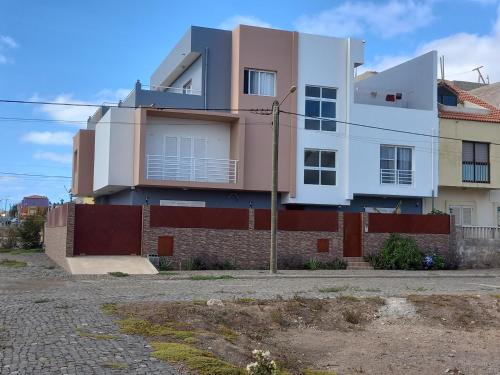
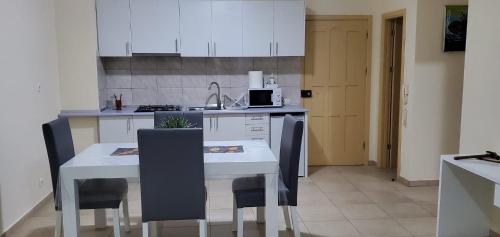
9 stays in the IMPT hotel database are in or near Espargos, Sal. Listed 5-star first, then 4-star, then by guest score. No prices here: each button opens live availability in the IMPT app.
4★ 4★
 4★
 3★
 3★
 3★
Frequently asked questions
Is Espargos a good base for a stay on Sal?
Yes, for a particular kind of stay. Espargos is the island capital, in the middle of Sal, about 15 to 20 minutes from Santa Maria and minutes from the airport. It suits transit nights, early flights and travellers who want shops, food and ordinary town life rather than a beach on the doorstep. For a beach holiday, Santa Maria is the better base.
How far is Espargos from Amílcar Cabral International Airport?
The airport sits on the edge of Espargos, so the transfer is a few minutes by road rather than a long drive. That is why the town works for late arrivals and early departures. Many guesthouses will arrange a pickup if you ask when booking. Check arrival times with your airline, because schedules change.
Is there a beach at Espargos?
No. Espargos has no beach in the town and the nearby shoreline is rocky rather than sandy. Swimming means driving to Santa Maria and the south coast, or to the west coast bays. Plan for a car, a taxi or an aluguer, and remember that shade is scarce on most of Sal's beaches.
How do you get from Espargos to Santa Maria?
Aluguer shared pick-ups run between the two when full, taxis wait in the centre and at the airport, and hire cars are available on the island. The drive takes about 15 to 20 minutes on a paved road. Agree the taxi fare before setting off, and check return times if you rely on shared transport.
What can you do in Espargos itself?
Walk the centre and its main square, look at the shops, and climb the low hill above the town for the view over the island centre. The town has no museums or monuments, so a couple of hours covers it. The point of Espargos is everyday Cape Verdean town life, not sightseeing on a schedule.
Can you visit Pedra de Lume from Espargos?
Yes. The salt pans at Pedra de Lume are about 15 minutes east of Espargos by road, inside an extinct volcanic crater below sea level, where you float in the brine. An entrance fee is charged. Salt was exported from the 1800s and an aerial cableway carried it over the rim in the early twentieth century.
Where can you eat in Espargos?
Eating places cluster in the centre, around the main street and the square: small lunch rooms, bakeries and simple grills serving cachupa, tuna, wahoo and octopus. Menus are short and portions generous. Vegetarian choice is limited, so ask. Grogue and ponche are the usual drinks. For a wider choice, drive south to Santa Maria.
Should you stay in Espargos before an early flight from Sal?
It is the practical choice. The airport is on the edge of town, so an early departure means a few minutes by road rather than a drive from Santa Maria. Ask your guesthouse about transfers the night before, confirm the check-in time, and allow for queues on charter days. Check current airport advice before you travel.
When is the best time to visit Espargos?
Sal is warm all year, with daytime temperatures in the mid-20s °C, and the driest months run from November to June. Short rain falls mostly between August and October, and trade winds are strongest from about November to May. For walking and town life, the cooler, windier months are easier. Check current schedules before booking.
Read next
Sources: ease.gov.cv, Cabo Verde Airports (ASA), Instituto Nacional de Estatística. Editorial review: 4 November 2026, IMPT Cape Verde editorial team. Schedules, entry rules and opening times change; check before you go.
Photo credits: Ingo Wölbern, Public domain, via Wikimedia Commons.