
 4★
In short
Buracona is a lava rock shelf on Sal's north-west coast, north of Palmeira, where the Atlantic fills natural pools. The Olho Azul, or Blue Eye, is a hole in the rock that turns bright blue when the sun is high, best seen around midday. A small entrance fee applies. Swim only when the sea is calm.
Island
Sal
Allow
1–2 h
Type
In the water
Nearest base
Espargos
What is the Buracona natural pool?
Buracona is a stretch of lava rock on Sal's north-west coast, north of the port town of Palmeira. The sea washes over a flat shelf of basalt and fills hollows in the rock, making small pools that warm in the sun. The surface is uneven and sharp in places, so the site rewards slow walking rather than a quick look. The surrounding land is dry and bare, with little shade, and a fee is charged at the entrance.
The main feature is the Olho Azul, the Blue Eye: a gap in the rock where sunlight reaches a pocket of water below and turns it a strong, clear blue. It is a natural light effect, not a painted pool or a fixture. It depends on the sun, the tide and the clarity of the water, so a dull or windy day gives a muted colour. At the right hour the hole glows deep blue; later it looks grey.
When is the Blue Eye at its best?
The Blue Eye is at its brightest around midday, when the sun is high and its light falls almost straight into the hole. Earlier and later in the day the angle is shallow and the water below stays dark. Aim to arrive in the hour or so either side of noon. Cloud cover, haze and a choppy sea all reduce the effect, and the shelf faces the open Atlantic with little shelter from wind.
The effect is not guaranteed. Harmattan dust from the Sahara can soften the light in winter, and swell pushes spray across the rock. If the Blue Eye is dull on a first look, the pools and the coastline still justify the trip, and a second visit at a better hour costs little. Check the sky before setting out and build some flexibility into the day.
How do you get to Buracona?
Buracona sits on the north-west coast of Sal, north of Palmeira, the island's main cargo port. The approach is by road from Espargos or from the resort strip around Santa Maria, and the final stretch is unsealed and rough in places. Aluguers and buses serve the main towns rather than this coast, so most visitors arrive by hire car, by taxi or on an organised island tour.
Signs on the approach are limited and the coast road forks in places. A driver-guide who knows the track saves time, and taxis from Espargos or Santa Maria can be taken for the round trip with a waiting period agreed first. Mobile coverage is patchy at the pools, so settle the return before leaving. Anyone driving should note the turning on the way in.
- By car: Hire cars from Espargos or Santa Maria reach the coast road; the last section is unsealed and slow.
- By taxi: Agree a round trip with waiting time before leaving, since there is little passing traffic at the pools.
- On a tour: Island tours from the Sal resorts often pair Buracona with Pedra de Lume and Terra Boa.
- From Espargos: Espargos is the nearest base, with the airport and the island's main road junction.
Can you swim at Buracona?
Swimming is possible in the rock pools when the sea is calm, and only then. The coast here is exposed Atlantic, with swell that arrives without much warning and surges over the shelf. There are no lifeguards, no railings and no easy exit from the water in some spots. Children and weak swimmers should stay out, and nobody should swim alone or in a rising sea.
Watch a full set of waves before deciding. If white water is breaking across the shelf, stay on dry rock and look at the Blue Eye from above. Water shoes help on the sharp lava, and bare feet are a poor idea. The pools are not a beach, and there is no shade, fresh water or warden on site, so treat a dip as a short, cautious pause.
- Calm sea only: Enter the water when the swell is low; a rising sea closes the pools to swimming.
- No lifeguards: There is no supervision, no warning signage on currents and no rescue equipment on the shelf.
- Sharp rock: Lava edges cut feet and hands; water shoes and careful footing reduce the risk.
- No facilities: There is no shade, fresh water or changing space, so carry everything needed for the visit.
What else is there to see nearby?
Buracona works well as one stop on a half-day loop of north-west Sal. Pedra de Lume, the salt pans inside an extinct volcanic crater, lies to the south-east and is the other set-piece of the area. Terra Boa, the plain known for mirages, sits inland on the road across the island. Espargos, the island capital, is close to Amílcar Cabral International Airport.
Palmeira is a working port with fishing boats and a waterfront that stays quiet outside landing hours. The kitesurf beaches are on the south coast near Santa Maria, a separate trip. Combining Buracona with Pedra de Lume in one morning leaves the afternoon free, and since the light for the Blue Eye is best in the middle of the day, the order of stops matters less than the hour.
- Pedra de Lume: Salt pans in a volcanic crater where you float in brine; an entrance fee applies.
- Terra Boa: An inland plain known for mirages on hot days, on the road across Sal.
- Palmeira: The island's cargo port, with fishing boats and a low-key waterfront.
- Espargos: Sal's main town and the nearest base to Buracona, close to the international airport.
How long should you allow at Buracona?
Most visits last one to two hours, including time at the pools and the short walk over the rock. The site is small and there is little else to do once the Blue Eye has been seen at its best hour and the swell watched for a while. Photographers take longer, waiting for the light, and a swim adds time when conditions allow. Carry water and sun protection.
Because the effect peaks around midday, a visit fits neatly between a morning at Pedra de Lume and an afternoon elsewhere on the island. Allow extra time for the access track, which is slow in a small car. Visitors arriving by taxi should agree how long the driver waits; the round trip from the southern resorts takes a good part of a day.
What should you take to Buracona?
Take water, a hat, high-factor sun cream and shoes that grip. The rock is hot by late morning and there is no shade anywhere on the shelf. A towel and a change of clothes are worth having if a swim is planned. Cash is useful for the small entrance charge, since card machines are not reliable on this stretch of coast and the nearest shops are in Espargos or Palmeira.
A camera with a polarising filter deepens the blue in photographs, and a strap keeps it off the rock. Binoculars are useful for the coast and for passing seabirds. Take rubbish away, since bins are scarce, and avoid walking on the dark algal film at the water's edge, which is slippery even in dry weather.
When is the best time to visit Buracona?
Cape Verde is warm all year, and Buracona depends more on the hour and the weather than on the season. The driest months, roughly November to June, give the clearest skies and the best chance of bright midday light. Trade winds are strongest from about November to May, which can put chop on the pools and spray in the air. Dust haze sometimes blurs the light in winter.
The short rains, mostly between August and October, rarely close the site but can leave the access track muddy. Sea temperatures peak around August to October and are coolest in February and March, which matters only for swimming. Whatever the month, check the day's conditions and aim for the middle of the day, when the Blue Eye has the best chance of colour.
Hotels in Espargos, Sal
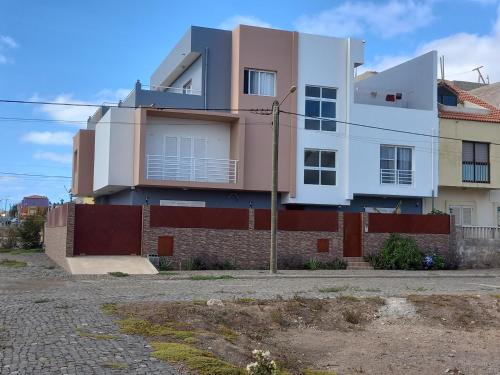
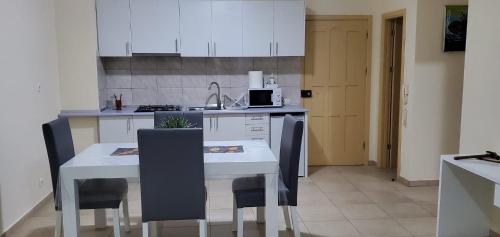
For Buracona natural pool, the nearest base is Espargos, Sal, with 9 stays in the IMPT hotel database. Listed 5-star first, then 4-star, then by guest score. No prices here: each button opens live availability in the IMPT app.
4★ 4★
 4★
 3★
 3★
 3★
Frequently asked questions
Where is the Buracona natural pool on Sal?
Buracona lies on Sal's north-west coast, north of the port town of Palmeira. Access is by road from Espargos or from the resorts around Santa Maria, with an unsealed final stretch. There is no village at the site, so services stay in Espargos or Palmeira, and Espargos is the nearest base for most visitors.
When is the Blue Eye at Buracona brightest?
Aim for the hour or so either side of midday, when the sun is high and its light falls into the hole. Early morning and late afternoon leave the water below in shadow. Cloud, dust haze and a choppy sea all dull the colour, so a clear, calm day matters as much as the time of the visit.
Can you swim at the Buracona natural pool?
Only when the sea is calm. The pools sit on an exposed Atlantic shelf with no lifeguards, and swell can surge over the rock without much warning. Watch a full set of waves before entering, keep children on dry rock, and stay out of the water if white water is breaking across the shelf.
Is there an entrance fee at Buracona?
A small entrance fee is charged at the site. Carry cash in case cards are not accepted on this part of the coast. The fee covers access to the rock shelf and pools; it does not buy supervision, so swimming remains a personal decision. Check locally for current arrangements, which can change.
How do you get to Buracona from Santa Maria?
Take the road north towards Espargos and Palmeira, then follow the coast track to the pools. A hire car gives the most freedom, and taxis can be taken for the round trip with waiting time agreed first. Organised island tours often include Buracona with Pedra de Lume and Terra Boa.
How long do you need at Buracona?
One to two hours covers the pools, the Blue Eye and the walk over the rock. Photographers waiting for the light take longer, and a swim adds time when conditions allow. Because the effect is best around midday, many visitors fit Buracona between a morning at Pedra de Lume and an afternoon elsewhere.
Is Buracona suitable for children?
Older children who can walk on uneven lava rock will find it interesting, but the site is not a beach and has no facilities, shade or lifeguards. Keep young children well back from the water's edge and out of the pools unless the sea is flat calm. Water shoes and a hat make the visit easier.
What should you take to Buracona?
Water, a hat, sun cream and shoes that grip, since the rock is sharp and hot by late morning. Add a towel and a change of clothes if a swim is planned, and cash for the entrance fee. There is no shade, no fresh water and no bins, so carry everything out again.
What can you combine with a visit to Buracona?
Pedra de Lume, the salt pans inside a volcanic crater, is the obvious pairing, and Terra Boa, the plain known for mirages, lies inland on the same loop. Espargos and the port at Palmeira are close by. The kitesurf beaches and Santa Maria are on the south coast, a separate trip.
Read next
Sources: Câmara Municipal de Sal, Ministry of Tourism and Transport of Cabo Verde. Editorial review: 4 November 2026, IMPT Cape Verde editorial team. Schedules, entry rules and opening times change; check before you go.
Photo credits: Adrião, CC BY 3.0, via Wikimedia Commons.