
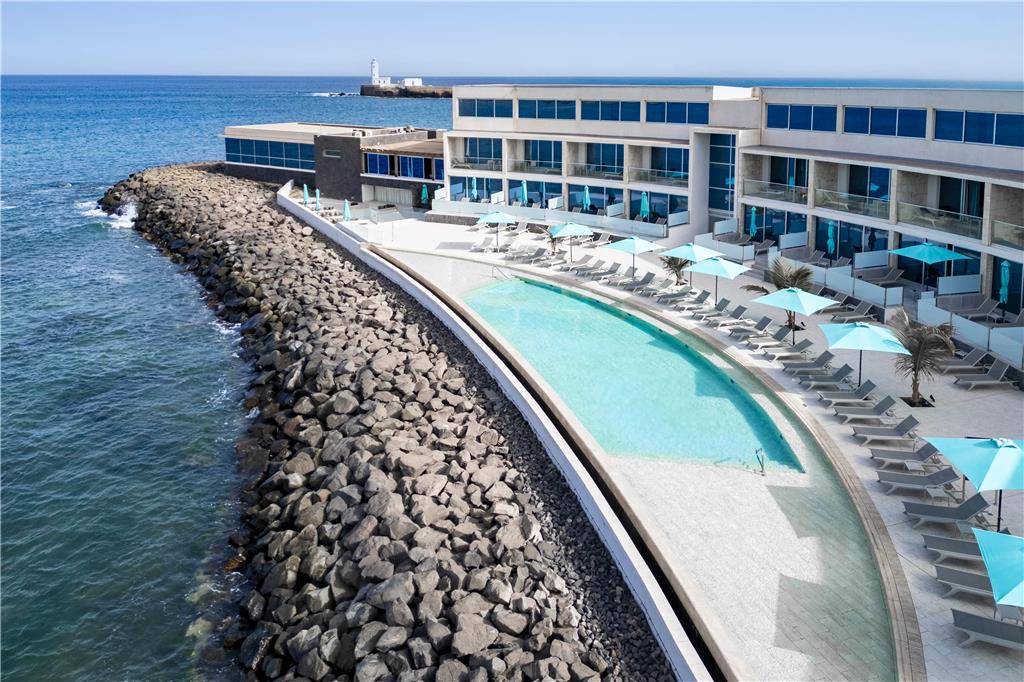
 5★
In short
Praia is Cape Verde's capital, on Santiago's south coast, and the country's main city for museums, markets, food and music. The Plateau holds the old town and public buildings; Quebra Canela and Prainha are the city beaches. Nelson Mandela International Airport is about 10 minutes away, Cidade Velha about 15 km west, and ferries leave for Fogo, Brava and Maio.
Why stay in Praia?
Praia is the capital of Cape Verde and the busiest city in the islands. It sits on Santiago's south coast, spread over hills above the Atlantic, with the old town on a flat-topped plateau. Nelson Mandela International Airport is about 10 minutes away, so the city works well as a first or last stop on an island-hopping trip. Ferries leave from the city for Fogo, Brava and Maio, which makes it a natural stop between island groups.
The city suits travellers who want markets, museums, music and food rather than a resort beach. Sal and Boa Vista are the island-holiday bases; Praia is where the country's administration, university and newspapers are, and it feels like a working capital rather than a holiday town. Allow two or three nights for the Plateau, the market and Cidade Velha, and longer if you plan to explore Santiago's interior. Roads run north to Tarrafal and west to Cidade Velha, so a car opens up the island.
What can you see on the Plateau?
The Plateau is the old town, built on a flat-topped hill above the harbour and reached by streets that climb from the lower city. It holds the main public buildings, a grid of colonial-era streets and a square at its centre. Walking is the way to see it, because the plateau is compact and the streets fall away steeply at the edges. Mornings are cooler and the squares are busier. Wear shoes for the cobbles and steps.
Praça Alexandre Albuquerque is the plateau's central square, with public buildings around it and shade at the edges. The Presidential Palace stands nearby and is a working residence, so visitors see it from the street. The ethnographic museum covers everyday life across the islands, including crafts, fishing and music. Opening days change, so check before setting out, and leave time to wander the back streets. Labels are mostly in Portuguese, and the collection is modest, but it explains the islands better than a guidebook summary.
- Praça Alexandre Albuquerque: The central square of the Plateau, with public buildings around it and shade for a pause.
- Presidential Palace: The official residence stands on the Plateau and is seen from the street outside.
- Ethnographic museum: Displays on daily life, crafts and music from the islands; check current opening days.
- Old streets: Colonial-era houses and steep lanes at the edges of the plateau, best walked in the morning.
Which beaches and districts should you know?
Praia's two city beaches are Quebra Canela and Prainha. Neither is a long sweep of sand; both are small bays used by residents for an early swim or an evening walk. Quebra Canela lies below the southern districts, close to the newer parts of the city, while Prainha sits nearer the centre and the harbour. Facilities are simple, and the city is never far away. Neither beach has much shade, so take water and go early or late.
Behind the beaches the city divides into districts. Achada Santo António holds ministries, embassies and many of the city's restaurants and places to stay. Palmarejo, further west, is newer, built around the university, and leads down towards Quebra Canela. The Plateau is the historic centre. Between them these districts cover most of what a visitor needs, and taxis link them quickly, though traffic builds at the start and end of the working day.
Where should you stay in Praia?
There is no resort strip in Praia. Places to stay are spread through the city, and the choice comes down to whether the priority is walking to the old town or being near the beaches. The Plateau suits a short city stay, with the historic streets on the doorstep. Achada Santo António and Palmarejo have more apartments and larger buildings, with restaurants and shops nearby. Quebra Canela suits anyone who wants the sea at the end of the road.
Book ahead for the busiest weeks, and ask about airport transfers when booking, since the airport sits outside the city. Many places are small, so check whether rooms have air conditioning and whether breakfast is served. A hire car is only useful for leaving the city; for the Plateau and the beaches, taxis and walking cover most of it. Ask for a room away from the street if traffic noise is a concern.
- Plateau: Historic centre, with the old streets and main sights within walking distance of the door.
- Achada Santo António: Central district with ministries, restaurants and a wide choice of places to stay.
- Palmarejo: Newer area around the university, with apartments and a short run down to Quebra Canela.
- Quebra Canela and Prainha: For the city beaches, with the sea at the end of the street.
What is Sucupira market like?
Sucupira is the big working market below the Plateau, and it is part of the city's daily life rather than a visitor attraction. Stalls sell fruit and vegetables, fish, spices, cloth, clothes, shoes and household goods, with the produce and fish sections busiest early. The market is loud, crowded and hot in the sun, so go in the morning, take water and keep bags zipped and phones out of sight. Weekday mornings are calmer than the end of the week.
It is a good place to see what the islands produce and to buy cloth for a tailor. Sellers expect conversation, and on some stalls bargaining is normal; asking the price first is sensible. Photographs need permission, and it is polite to ask before taking them. The market sits a short walk or a short taxi ride from the Plateau, and fits easily into a walk through the lower city. Take small notes and expect to carry what you buy.
What food and music does Praia offer?
Praia is the best place in Cape Verde to eat everyday Cape Verdean food, because the city draws people from every island. Cachupa, the slow-cooked corn and bean dish with fish or meat, appears on most menus, and the fried version, cachupa refogada, is a staple at breakfast and lunch. Grilled tuna and wahoo are common, as is octopus. Goat's cheese, grogue and ponche turn up too. Lunch is often the main meal, and portions are generous.
Santiago has its own music. Batuque is driven by women's drumming and call-and-response singing; funaná is faster, built on the accordion and the metal scraper, the ferrinho. Both sit alongside morna and coladeira, the sounds Cape Verde is known for abroad. Live sets happen in bars and at private parties, more often at weekends, so ask locally or watch for posters. An invitation to a party is worth accepting: it is the quickest way to hear the real thing.
- Cachupa: Corn and beans cooked slowly with fish or meat; cachupa refogada is the fried next-day version.
- Tuna and wahoo: Grilled, stewed or in a salad, and among the most reliable dishes in the city.
- Grogue and ponche: Sugarcane spirit from Santiago and Santo Antão; ponche is the sweeter, mixed drink.
- Batuque and funaná: Santiago's own rhythms, heard in bars and at parties, especially at weekends.
Should you visit Cidade Velha from Praia?
Cidade Velha lies about 15 km west of Praia and is the reason many people stop in Santiago at all. Founded in 1462, it was the first European colonial town in the tropics, and UNESCO made it a World Heritage Site in 2009. The site includes the Royal Fortress of São Filipe above the town, the pillory in the square and the ruins of the old cathedral.
Allow half a day. Aluguers and taxis run from Praia, and a hire car makes the trip easy; the road leaves the coast and drops into the valley. Wear shoes for the fortress path, take water and sun protection, and go early to avoid the heat. Guides wait at the entrance and can explain the site. Check current opening arrangements before you go. The village below the fortress has a square, a church and a handful of places to eat, so the visit fills a morning.
Getting around Praia and when to go
Nelson Mandela International Airport is about 10 minutes from the centre, with taxis waiting outside. Agree the fare before setting off. In the city, taxis and walking cover most journeys, and aluguers, the shared minibuses and pick-ups, link Praia with the rest of Santiago. Ferries run from Praia to Fogo, Brava and Maio; check schedules and weather delays with the operator before you commit to a crossing.
The city is warm all year, with daytime temperatures in the mid-20s °C, and the driest months run from November to June. Short, irregular rains fall mostly between August and October. Dust haze from the Sahara can reach the islands in winter. Sea temperatures are warmest from August to October. Travellers whose dates fall around 5 July, independence day, should book travel and places to stay early, and check current schedules before travelling.
Hotels in Praia, Santiago
118 stays in the IMPT hotel database are in or near Praia, Santiago. Listed 5-star first, then 4-star, then by guest score. No prices here: each button opens live availability in the IMPT app.
5★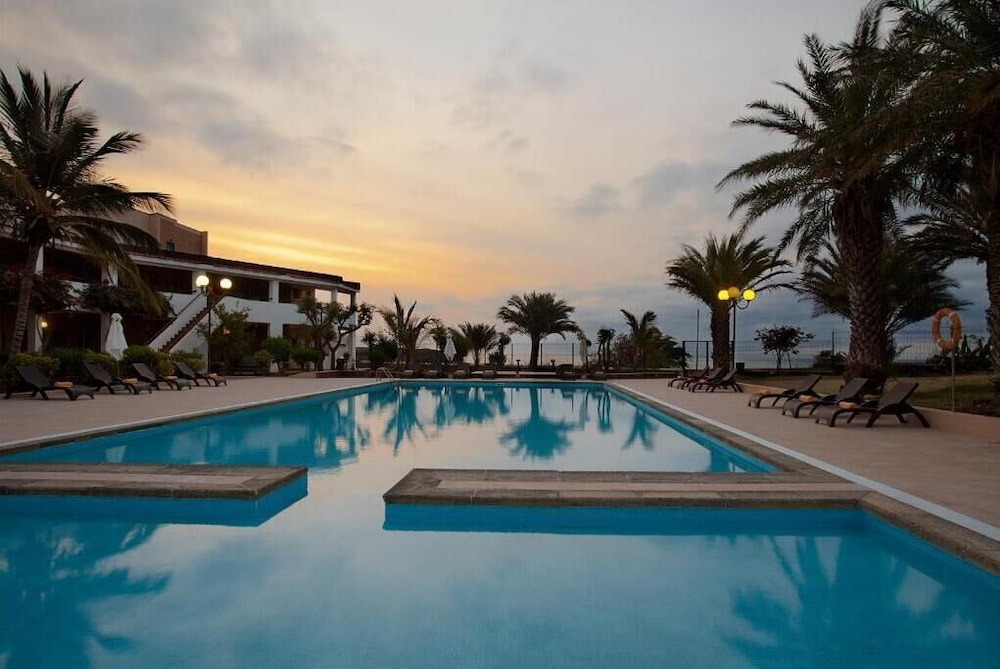 4★
Pestana Trópico Ocean & City Hotel
Praia, Santiago · 4-starGuest score 4.4/5 from the booking supplier · 1246 reviewsSee live price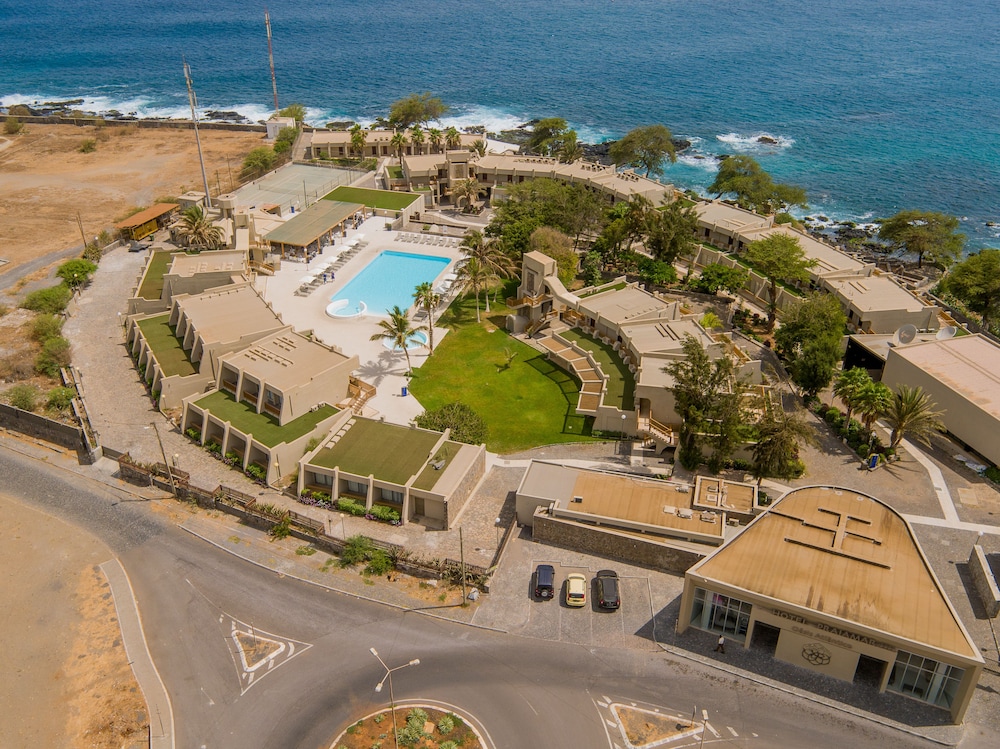 4★
Hotel Oásis Atlântico Praiamar
Praia, Santiago · 4-starGuest score 4.2/5 from the booking supplier · 1267 reviewsSee live price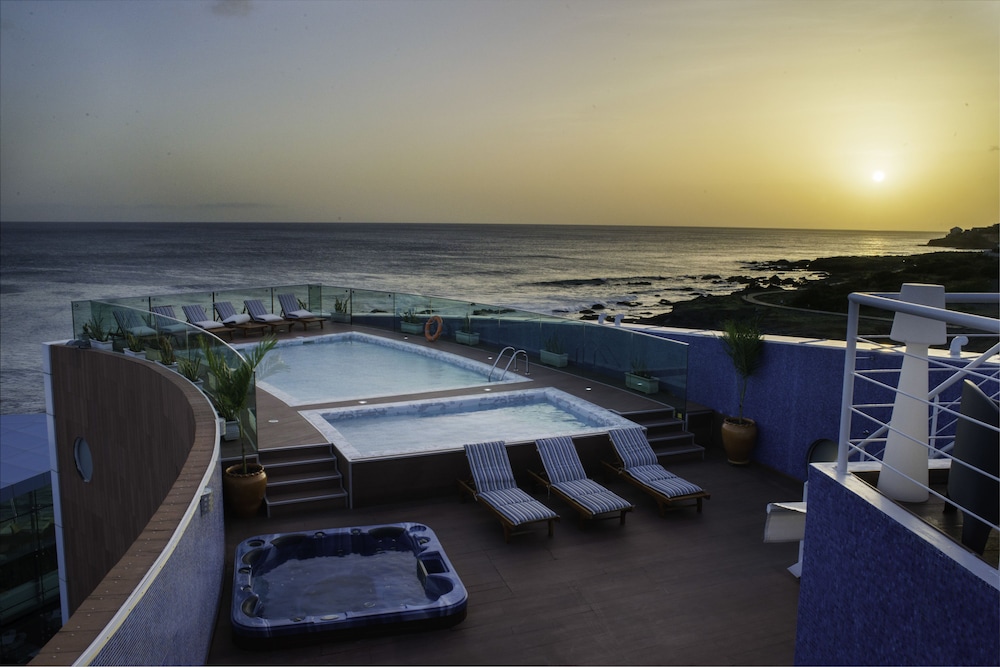 4★
Vip Praia Hotel
Praia, Santiago · 4-starGuest score 4.1/5 from the booking supplier · 564 reviewsSee live price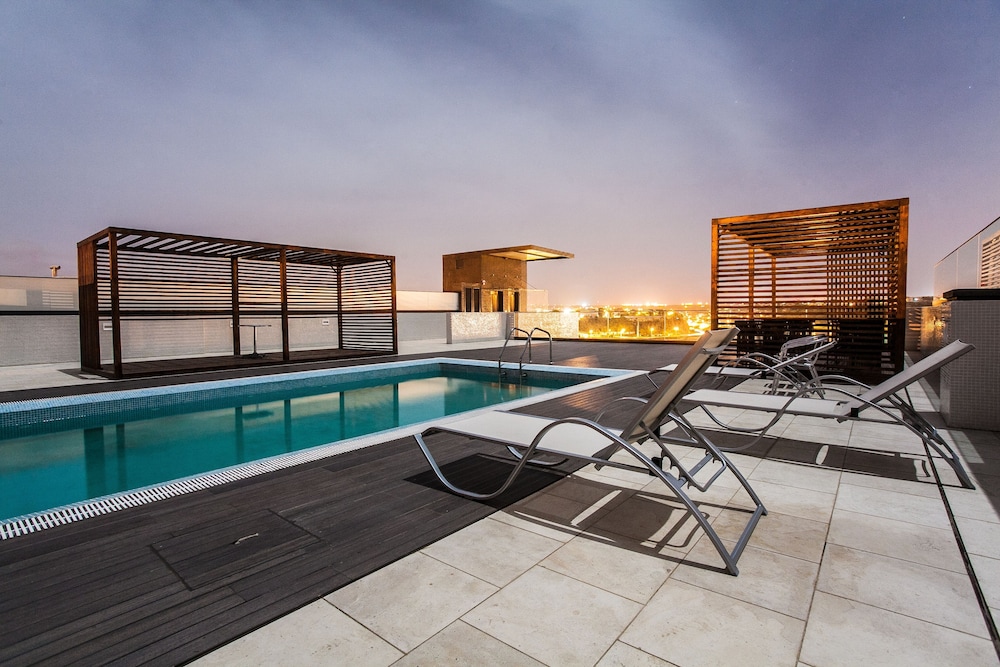 4★
Hotel Pérola
Praia, Santiago · 4-starGuest score 4.1/5 from the booking supplier · 491 reviewsSee live price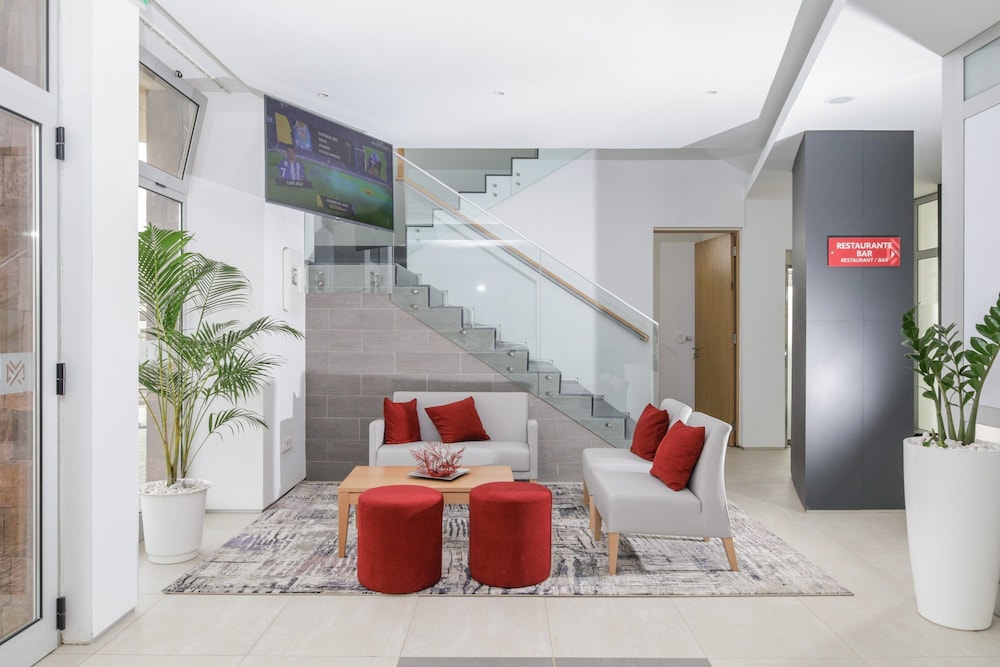 4★
Happy Day Hotel
Praia, Santiago · 4-starGuest score 3.6/5 from the booking supplier · 86 reviewsSee live priceFrequently asked questions
Is Praia worth staying in?
Yes, for culture, food and history rather than a beach holiday. Praia has the country's main museums and its biggest market, a historic plateau, two city beaches and Cidade Velha a short drive west. It is also the ferry port for Fogo, Brava and Maio. Two or three nights covers the city; add days for the rest of Santiago.
How far is Praia airport from the city centre?
Nelson Mandela International Airport (RAI) is about 10 minutes from the centre by road. Taxis wait outside the terminal, and the fare should be agreed before setting off. Some places to stay arrange transfers when booking. Allow extra time at busy periods, and check current flight schedules before travelling.
What can you see on the Plateau in Praia?
The Plateau is Praia's old town, on a flat-topped hill above the harbour. Praça Alexandre Albuquerque is the central square, the Presidential Palace stands nearby, and the ethnographic museum covers daily life across the islands. The streets themselves are the attraction, with colonial-era buildings and steep lanes at the edges. Check museum opening days before going.
Are there beaches in Praia?
Praia has two city beaches, Quebra Canela and Prainha. Both are small bays rather than long stretches of sand, used by residents for a swim or a walk. Quebra Canela sits below the southern districts, Prainha nearer the centre and harbour. Facilities are simple and shade is limited. Ask locally about conditions before swimming.
What is Sucupira market in Praia?
Sucupira is the city's main working market, below the Plateau. Stalls sell produce, fish, spices, cloth, clothes and household goods, and the food sections are busiest early in the day. It is crowded and hot, so mornings are easier. Go for the atmosphere and for cloth, keep bags close, and ask before taking photographs.
How do you get from Praia to Cidade Velha?
Cidade Velha is about 15 km west of Praia. Aluguers and taxis make the trip, and a hire car is straightforward, with the road climbing from the coast before dropping into the valley. Allow half a day for the fortress, the square and the church. Check current opening arrangements for the main sites before setting out.
Which islands can you reach by ferry from Praia?
Ferries leave Praia for Fogo, Brava and Maio, with some crossings running only on certain days. Schedules change with the season and the weather, and delays happen, so keep a buffer day before an international flight. Check times and bookings with the ferry operator before planning the rest of the trip.
When is the best time to visit Praia?
The city is warm all year, with daytime temperatures in the mid-20s °C. The driest months run from November to June, and short, irregular rains fall mostly between August and October. Dust haze from the Sahara can reach the islands in winter. Book early if dates fall around 5 July, independence day.
Is Praia a good base for exploring Santiago?
Yes. Cidade Velha is about 15 km west, and Tarrafal is about 70 km north, roughly 1 hour 15 minutes to 1 hour 30 minutes by road. Serra Malagueta natural park lies in the mountains between. Aluguers and hire cars both work, and driver-guides can be arranged. Allow at least two full days outside the city.
Read next
Sources: UNESCO World Heritage Centre, ease.gov.cv, Aeroportos e Segurança Aérea (ASA). Editorial review: 4 November 2026, IMPT Cape Verde editorial team. Schedules, entry rules and opening times change; check before you go.