
 5★
In short
Cidade Velha is a small historic town about 15 km west of Praia, on Santiago. Founded in 1462, it was the first European colonial town in the tropics and a key port in the Atlantic slave trade. UNESCO listed it in 2009. A half-day covers the pillory, Rua Banana, the church, the cathedral ruins and the hill fort, where a fee applies.
Island
Santiago
Allow
half day
Type
Culture
Nearest base
Praia
Why visit Cidade Velha?
Cidade Velha is the old capital of Cape Verde and the first European colonial town in the tropics. It sits in a dry valley about 15 km west of Praia, on Santiago. The streets are quiet, the stone buildings are ruined in places, and the history is close to the surface. A half-day gives enough time to see the main sites, walk the old street and understand why the town matters.
The town is not a museum piece set apart from daily life. People live among the monuments, and children cross the square beside the pillory. That mix of ordinary routine and heavy history is the reason to come. The site is compact, so the visit does not depend on a long tour. Read a little before arrival, then take the town at walking pace. Wear sturdy shoes for uneven stone.
What are the main sights?
The historic centre is small enough to cross in minutes, but the sights carry a long story. The Pelourinho stands in the main square, a stone pillar that marked authority in the old town. Rua Banana is one of the oldest streets, lined with low houses. The church of Nossa Senhora do Rosário and the ruined cathedral, the Sé, sit nearby. The Fortaleza Real de São Filipe looks down from the hill.
Start at the square and work uphill, because the fort is the natural finish. The pillory and church sit close together, and Rua Banana runs through the oldest part of the town. The cathedral ruins show the scale of the early settlement. At the fort, the walls and views explain why the site was chosen. A fee applies at the fort. Check current opening times with the site before setting out.
- Pelourinho: The stone pillory in the main square is the marker of the old town's civic authority.
- Rua Banana: One of the oldest streets in Cidade Velha, lined with low stone houses.
- Nossa Senhora do Rosário: The church stands near the square and forms part of the historic centre.
- Cathedral ruins: The ruined Sé shows the scale of the early settlement and the town's former status.
- Fortaleza Real de São Filipe: The hill fort has walls, views and a small site to explore; a fee applies.
Why is Cidade Velha a UNESCO site?
UNESCO listed Cidade Velha in 2009 as a World Heritage Site. The citation recognises the town as the first European colonial town in the tropics and a key point in the Atlantic slave trade. The surviving streets, churches, pillory and fort show how a colonial port was laid out. The site is not only a set of ruins. It is a record of early Atlantic history. The status asks visitors to respect a living town.
The World Heritage area covers the historic centre, not the whole modern parish. That means the main monuments sit close together and can be seen in a short visit. The town remains a place of work and worship, so some buildings are not open all day. Treat private homes and church spaces with care. The official UNESCO page and local heritage bodies carry the current details. Check before relying on a building being open.
What was its slave trade role?
Cidade Velha grew as a port in the Atlantic slave trade. Ships carried enslaved Africans from the Upper Guinea coast and beyond, and the town became a hub for trade between Africa, Europe and the Americas. The wealth built churches, walls and fine houses. The same trade brought violence and suffering on a vast scale. The monuments cannot be understood without that history. That context is central to the World Heritage site.
The town's position on Santiago made it an early stop for ships crossing the Atlantic. Trade goods, people and ideas passed through the valley. The pillory in the square stood where punishments and public authority were displayed. The church and fort belonged to the same system. A visit should leave room for that difficult story, not only for the views. Read the information panels where they are provided in town.
Why did the capital move to Praia?
French pirates sacked Cidade Velha in 1712. The attack damaged the town and weakened its position. The capital moved to Praia in 1770, and Cidade Velha became a smaller place. The old streets and churches survived in a quieter form. That shift explains why the historic centre is compact and why Praia is now the base for a visit. The fort on the hill still shows the defensive thinking of the earlier port.
The move did not erase the town. People continued to live and work among the old buildings, and the valley kept its church life and farming. The site gained protection in the modern era, and UNESCO status followed in 2009. A walk through the centre shows layers of use, not a single frozen moment. The result is a historic town that still feels inhabited. Allow time to look beyond the main square.
How do you reach Cidade Velha?
Cidade Velha is about 15 km west of Praia, on Santiago. The road is short, but allow for traffic leaving the capital. Shared aluguers and taxis run from Praia, and a hired car gives more freedom. Services change, so ask locally or check current transport information before setting out. The journey is easy enough for a half-day trip. Agree the taxi fare before departure, as fares are set by agreement.
From Praia, the route climbs out of the city and then drops into the Ribeira Grande valley. The old town appears below the fort. Shared transport is simple but less predictable, and a taxi is simpler for a fixed half-day. A driver can wait while the main sights are seen. Check the return arrangement before leaving Praia, especially late in the day. Allow extra time for the return in the afternoon.
- Shared aluguer: A shared minibus or pick-up leaves when full; ask where it stops in Praia.
- Taxi: Agree the fare before departure and arrange the return, because the town is small.
- Hired car: A car gives freedom to stop on the road and to combine the visit with other Santiago sights.
How long should you spend in Cidade Velha?
A half-day is enough for the historic centre. The main square, Rua Banana, the church, the cathedral ruins and the fort can be seen at an easy pace. Add time for a drink or a meal in the valley. The town is small, so a rushed visit is unnecessary, but a full day may be more than needed unless other stops are planned. A steady walk covers the core sights.
Start in the morning if possible. The valley heats up, and the climb to the fort is easier before midday. Many visitors come from Praia for the morning and return for lunch. That plan leaves the afternoon free for the city. Check opening times for the church and fort, because these can change. Carry water and wear a hat in the dry season. The walk is short but the stone is uneven.
How do you see Cidade Velha on foot?
The historic centre is best seen on foot. Begin at the main square, where the Pelourinho stands, then follow Rua Banana through the old street. The church of Nossa Senhora do Rosário and the cathedral ruins sit nearby. Finish at the Fortaleza Real de São Filipe on the hill. The route is short, but the stone is uneven and there is a climb to the fort. Wear shoes with grip.
Allow time to stop at the viewpoints and read the panels. The town is lived in, so keep to public paths and respect private doorways. The square is a natural meeting point and a good place to start or finish. A guide can add context about the slave trade and the town's later decline. Ask locally about current opening times and any fee at the fort. A fee applies at the fort.
- Main square: Start at the Pelourinho, the stone pillar that stood at the centre of civic authority.
- Rua Banana: Follow one of the oldest streets, lined with low houses and old stone walls.
- Church: Visit Nossa Senhora do Rosário near the square and respect any service in progress.
- Cathedral ruins: The ruined Sé shows the scale of the early town and its former status.
- Hill fort: Climb to the fort for walls and views; a fee applies at the site.
Hotels in Praia, Santiago
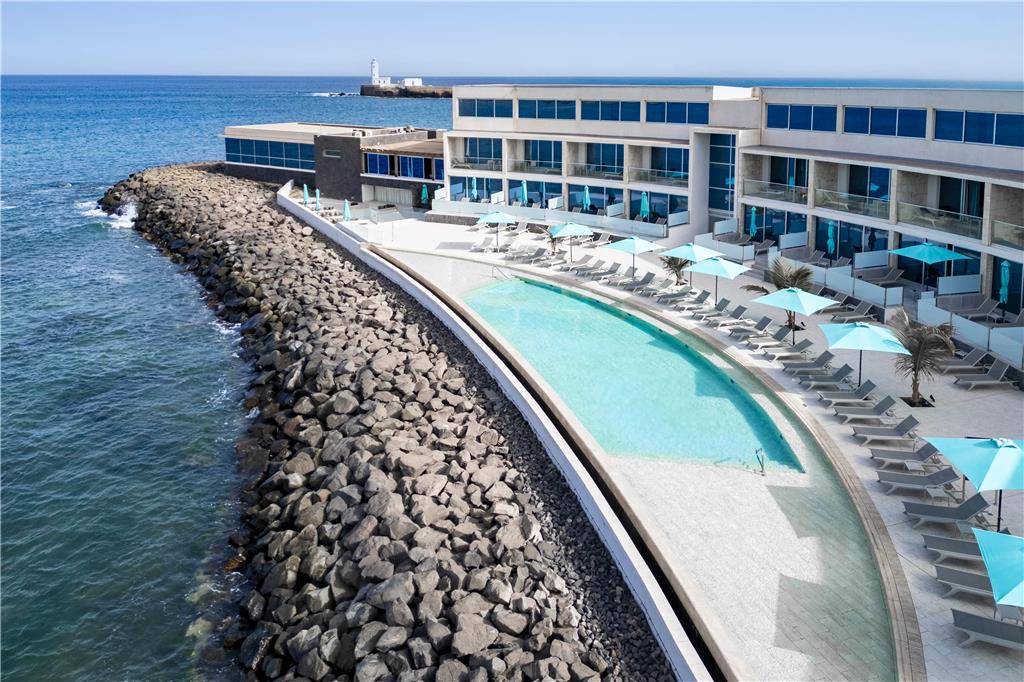
For Cidade Velha, the nearest base is Praia, Santiago, with 118 stays in the IMPT hotel database. Listed 5-star first, then 4-star, then by guest score. No prices here: each button opens live availability in the IMPT app.
5★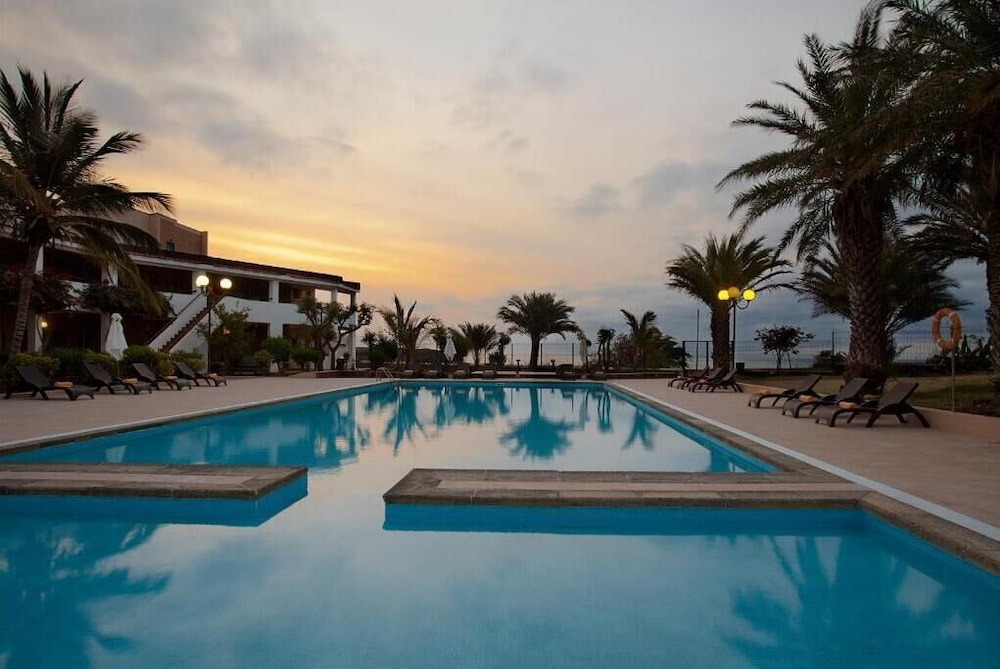 4★
Pestana Trópico Ocean & City Hotel
Praia, Santiago · 4-starGuest score 4.4/5 from the booking supplier · 1246 reviewsSee live price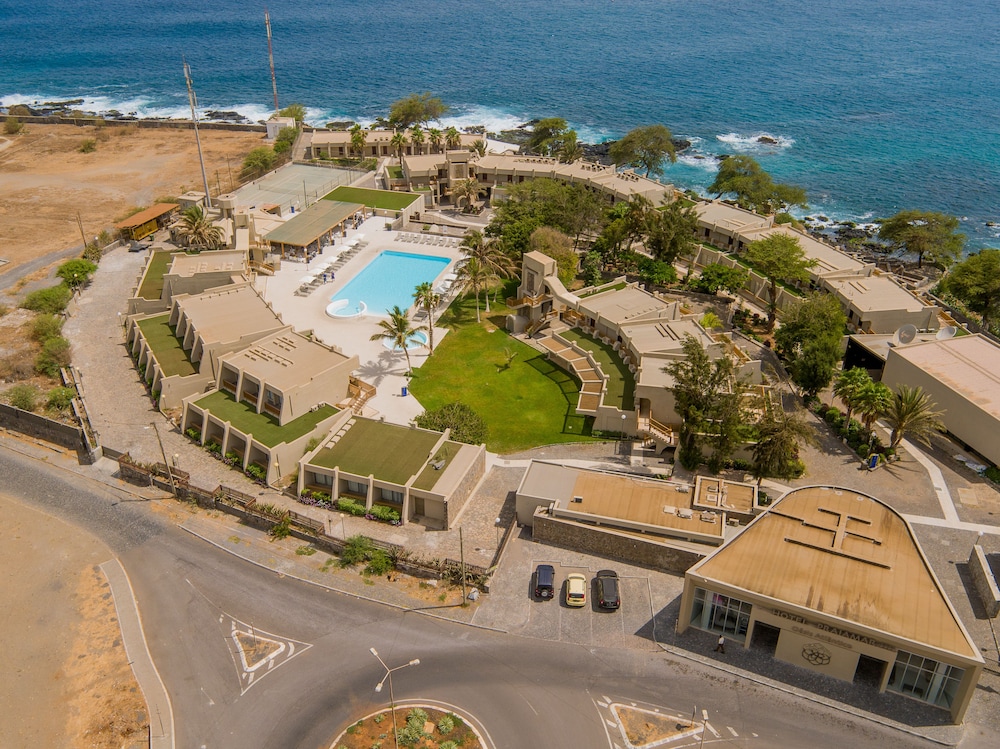 4★
Hotel Oásis Atlântico Praiamar
Praia, Santiago · 4-starGuest score 4.2/5 from the booking supplier · 1267 reviewsSee live price 4★
Vip Praia Hotel
Praia, Santiago · 4-starGuest score 4.1/5 from the booking supplier · 564 reviewsSee live price 4★
Hotel Pérola
Praia, Santiago · 4-starGuest score 4.1/5 from the booking supplier · 491 reviewsSee live price 4★
Happy Day Hotel
Praia, Santiago · 4-starGuest score 3.6/5 from the booking supplier · 86 reviewsSee live priceFrequently asked questions
Is Cidade Velha worth a half-day from Praia?
Yes, for most visitors. Cidade Velha packs a World Heritage site into a small area, with the pillory, Rua Banana, the church, the cathedral ruins and the hill fort close together. The drive from Praia is short. A half-day leaves time to walk the centre without rushing. History is the main reason to come, so read a little before arrival.
What are the main sights in Cidade Velha?
The main sights are the Pelourinho in the square, Rua Banana, the church of Nossa Senhora do Rosário, the ruined cathedral known as the Sé, and the Fortaleza Real de São Filipe on the hill. The historic centre is compact, so these places can be seen on foot in a short visit. A fee applies at the fort.
Why is Cidade Velha a UNESCO World Heritage Site?
UNESCO listed Cidade Velha in 2009. The town was the first European colonial town in the tropics and a hub of the Atlantic slave trade. Its streets, church, pillory and fort show the layout of an early colonial port. The status recognises both the town's importance and the need to protect its surviving historic centre.
How far is Cidade Velha from Praia?
Cidade Velha is about 15 km west of Praia, on Santiago. The road journey is short, but traffic leaving the capital can add time. Shared aluguers and taxis serve the route, and a hired car gives more freedom. Check current transport arrangements locally, because services can change. Allow extra time for the return in the afternoon.
Can you visit Cidade Velha without a car?
Yes. Shared aluguers and taxis run from Praia, and the historic centre is small enough to walk. Agree the taxi fare before departure and arrange the return, because the town is quiet later in the day. A driver can wait for a half-day visit. Check current services locally, as timetables can change.
What happened to Cidade Velha in 1712?
French pirates sacked Cidade Velha in 1712. The attack damaged the town and weakened its position as the capital. The capital moved to Praia in 1770, and Cidade Velha became a smaller place. The old streets and monuments survived in a quieter form. That history helps explain the town's compact historic centre and its later decline.
Is there an entrance fee for the fort in Cidade Velha?
A fee applies at the Fortaleza Real de São Filipe. The fort is a public historic site, not a commercial attraction, and the charge helps with upkeep. Check the current arrangement at the site or with local heritage officials. Opening times can change, so confirm before making the climb to the hill.
What is Rua Banana in Cidade Velha?
Rua Banana is one of the oldest streets in Cidade Velha. It runs through the historic centre and is lined with low houses and old stone walls. The street is part of the World Heritage area and is easy to walk as part of a short route. Treat it as a lived-in street, not only a monument.
When is the best time to visit Cidade Velha?
Morning is usually easier. The valley heats up during the day, and the climb to the fort is simpler before midday. Many visitors come from Praia for the morning and return for lunch. The dry season is more predictable for walking. Check opening times for the church and fort, because these can change.
Read next
Sources: UNESCO World Heritage Centre, Instituto do Património Cultural, Câmara Municipal da Ribeira Grande de Santiago. Editorial review: 4 November 2026, IMPT Cape Verde editorial team. Schedules, entry rules and opening times change; check before you go.
Photo credits: Cayambe, CC BY-SA 3.0, via Wikimedia Commons.