
 5★
In short
Sucupira market is the largest market in Praia, spread through the lower city below the Plateau. Stalls sell fabric and clothing, fruit and vegetables, household goods and Cape Verdean music. It is crowded and busy through most of the day, so keep bags closed and in front of you. Most visits take an hour or two, and the Plateau's squares are a short walk uphill.
Island
Santiago
Allow
1–2 h
Type
Culture
Nearest base
Praia
What is Sucupira market?
Sucupira is the largest market in Praia and the capital's main ground for fabric, clothes, fruit, vegetables, household goods and music. It spreads through the lower city below the Plateau, in a tangle of stalls, alleys and open ground that takes up several blocks. It is a working market before it is a visitor sight, and that is the reason to walk through it: this is how the city shops, cooks and dresses.
The market is grouped by trade rather than laid out for browsing. Cloth and clothing run along one set of alleys, produce along another, with pots, buckets, plastic containers and brooms in between. Traders start early and work through the heat of the day. Prices are usually discussed rather than fixed, the noise is constant, and the crowding is part of the experience. An hour or two covers the market at an unhurried pace.
Where is Sucupira market in Praia?
Sucupira sits in the lower city, directly below the Plateau, the flat upper town where Praia's older streets, squares and official buildings are found. Praça Alexandre Albuquerque is the simplest landmark. From the square, walk downhill and follow the people carrying shopping. The descent takes a few minutes and the climb back up is short but steep in the heat, so the market and the Plateau make a natural half day together.
Taxis and shared aluguer minibuses serve the lower city, and the port is close by. Traffic in Praia is heavy at the start and end of the working day, so allow more time than a map suggests for any journey across town. Anyone staying on or near the Plateau can reach the market on foot without a vehicle at all, which is the simplest option and the one that shows most of the city.
- On foot: Walk down from the Plateau and Praça Alexandre Albuquerque; the market is a few minutes below the old town.
- By taxi: Taxis wait on the Plateau and near the port, and the fare should be agreed before setting off.
- By aluguer: Shared minibuses run from districts across Praia into the lower city and leave when full.
- From the airport: Nelson Mandela International is about 10 minutes from the centre, and a taxi is the straightforward way in.
What can you buy at Sucupira market?
Cloth is the reason many people come. Stalls sell fabric by the length, from bright printed cotton to plainer material for tailoring, and a good share of it is bought to be made up rather than worn as it comes. Clothing hangs and piles beside it, new and second-hand: shirts, dresses, trousers and shoes, sorted by size and colour along the same run of alleys. Seamstresses and tailors work across Praia, so cloth bought here often goes straight to be measured and sewn.
The rest of the market is ordinary shopping done at volume. Fruit and vegetables come in from the farms of Santiago's interior and from other islands, sold by the heap or the bag. Household goods fill the aisles: cooking pots, pans, bowls, buckets, brooms and plastic containers in every size. Music stalls sell Cape Verdean recordings on disc, often played loud enough to be heard down the alley.
- Fabric: Cloth sold by the length, from printed cotton to plainer material for tailoring.
- Clothing: New and second-hand shirts, dresses, trousers and shoes, sorted in piles and on rails.
- Produce: Fruit and vegetables from Santiago's farms and other islands, sold by the heap or bag.
- Household goods: Cooking pots, pans, buckets, bowls, brooms and plastic containers in every size.
- Music: Cape Verdean recordings on disc, from morna and coladeira to funaná and batuque.
When is the best time to visit Sucupira?
Cape Verde is warm all year, with daytime temperatures in the mid-20s °C, and the market offers very little shade. Early morning is the coolest and least rushed time, when produce is being set out and the alleys are still easy to walk. By midday the heat and the crowds build, and the mixed smell of fruit, fish, dust and diesel is at its strongest. Allow an hour or two, and go early if the heat is a concern.
Saturdays and the days before public holidays tend to be the busiest, when families come in from the districts around Praia to shop. Opening days and market hours shift with the season, with ferries and with public holidays, so check locally or ask at the place you are staying before making a special journey. Some stalls close on Sundays; others open for the morning only.
How do you stay safe at Sucupira?
Sucupira is crowded and close, and crowding is what pickpockets rely on. Carry a small bag across the body, keep it closed and in front of you, and leave passports, spare cash and jewellery where you are staying. Do not count money in the open. If someone bumps into you or presses close in a narrow alley, check your bag immediately and keep walking.
Comfort matters as much as caution. Wear shoes that cope with uneven ground and with puddles from washed produce, and carry water. The market is not a place to stop dead in a passage: step to the side of an alley to look at a stall or to talk to a trader. Vendors are used to visitors and will usually point the way to another part of the market.
- Bag in front: Carry a small bag across the body, closed and in front of you in the crush.
- Small notes: Take cash in small notes so a purchase does not mean showing a full wallet.
- Ask before photos: Ask traders before photographing people or stalls, and accept a refusal immediately.
- Agree the fare: For a taxi back up to the Plateau, agree the fare before getting in.
What is around Sucupira market?
The Plateau, above the market, is the obvious pairing. Praça Alexandre Albuquerque is the square at its heart, with colonial-era buildings and official buildings around it, and streets that are paved, shaded in places and quiet compared with the alleys below. The Plateau is where Praia's banks and offices are, and it makes a calm finish to a hot morning at Sucupira.
Cidade Velha, the old capital, lies west of Praia along the coast and has been a UNESCO World Heritage Site since 2009. Founded in 1462, it was the first European colonial town in the tropics, and its streets, church and fortress are the most substantial historic site in Cape Verde. It pairs well with a market morning, though the two need a vehicle between them.
Food and music at Sucupira market
Much of the produce sold here ends up in cachupa, the slow-cooked corn and bean dish eaten across the islands. Corn and beans are bought by the bag, with onions, tomatoes, peppers and greens alongside, and fish or meat added depending on the day and the budget. Cachupa refogada, the fried version made the next morning, is why many families cook more than they need. Buying the ingredients here is a lesson in how the dish is put together.
Music is part of the market's sound as well as its stock. Morna, the song form most closely associated with Cesária Évora, joined the UNESCO intangible cultural heritage list in 2019, and recordings sit alongside coladeira, funaná from Santiago and batuque. Stalls play what they sell, so the alleys carry several styles at once over the noise of trading, haggling and traffic. Listen for the difference between the slow, mournful morna and the faster coladeira and funaná.
What should you know before you go?
Portuguese is the official language and Kriolu is spoken everywhere, including at every stall in Sucupira. A greeting goes a long way. Bon dia in the morning and obrigadu or obrigada, depending on who is speaking, are understood across the islands. Traders will usually answer in Portuguese or Kriolu and settle a price with gestures if words run out. English is common in hotels on Sal and Boa Vista, less so here.
The currency is the Cape Verdean escudo, pegged to the euro at 110.265 escudos to the euro. Cash is what the market runs on, so withdraw before coming down from the Plateau and carry small notes rather than one large one. Change can be slow to appear. Cards are accepted in shops and restaurants on the Plateau, but most stalls below it take cash only.
Photography of stalls is usually welcome if you ask first; people are less keen on close-up portraits, and a refusal should be taken at once. Allow an hour or two. Stock changes with the season, with what the ferries bring and with what farmers bring in from the interior, so no two visits show the same market, and a return trip a week later can look quite different.
Hotels in Praia, Santiago
For Sucupira market, Praia, the nearest base is Praia, Santiago, with 118 stays in the IMPT hotel database. Listed 5-star first, then 4-star, then by guest score. No prices here: each button opens live availability in the IMPT app.
5★ 4★
Pestana Trópico Ocean & City Hotel
Praia, Santiago · 4-starGuest score 4.4/5 from the booking supplier · 1246 reviewsSee live price 4★
Hotel Oásis Atlântico Praiamar
Praia, Santiago · 4-starGuest score 4.2/5 from the booking supplier · 1267 reviewsSee live price 4★
Vip Praia Hotel
Praia, Santiago · 4-starGuest score 4.1/5 from the booking supplier · 564 reviewsSee live price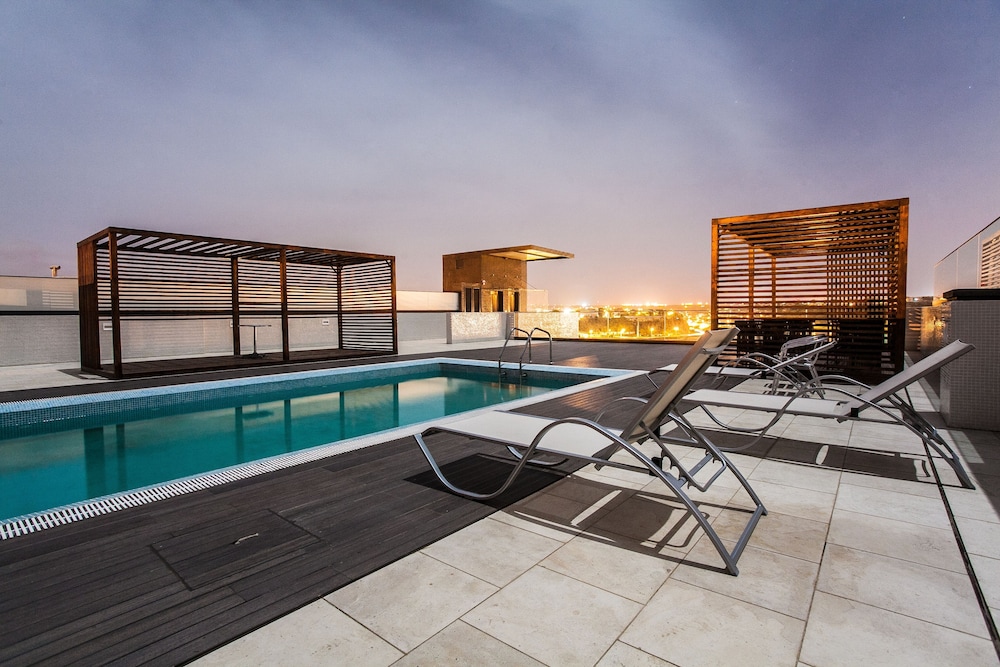 4★
Hotel Pérola
Praia, Santiago · 4-starGuest score 4.1/5 from the booking supplier · 491 reviewsSee live price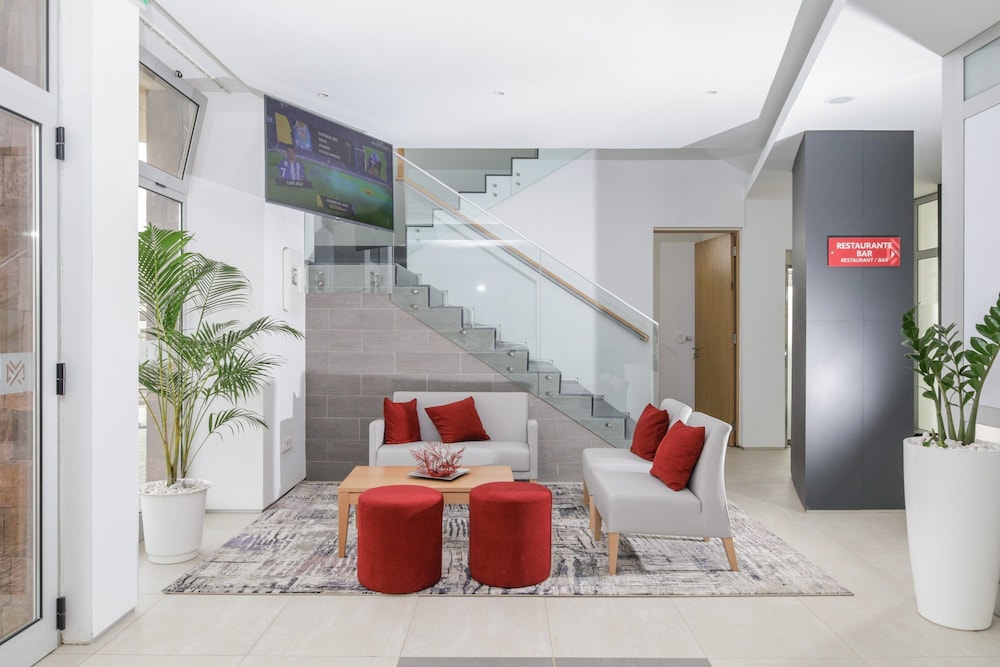 4★
Happy Day Hotel
Praia, Santiago · 4-starGuest score 3.6/5 from the booking supplier · 86 reviewsSee live priceFrequently asked questions
Where exactly is Sucupira market in Praia?
Sucupira market fills the lower city directly below the Plateau, the flat upper town of Praia where Praça Alexandre Albuquerque and most of the capital's official buildings stand. From the square, walk downhill and follow the shoppers. It is a few minutes on foot from the Plateau and close to the port, so it fits easily into a morning in the centre.
What can you buy at Sucupira market?
Fabric by the length, new and second-hand clothing, shoes, fruit and vegetables, cooking pots, buckets, plastic containers, brooms and Cape Verdean music on disc. It is the capital's main general market rather than a craft market, so most of what is sold is bought by people who live in Praia for everyday use at home.
Is Sucupira market safe for visitors?
It is a working market, and the main risk is pickpocketing in the crush. Carry a small bag across the body and in front, leave passports and spare cash behind, do not count money in the open, and check your bag if someone bumps into you. Crowds, uneven ground and heat are the larger practical concerns, so carry water and wear sensible shoes.
How long does a visit to Sucupira market take?
An hour or two is enough to walk the main alleys and buy fruit, household goods or a length of cloth. Add time if you plan to choose fabric carefully, discuss tailoring or stop to eat nearby. The market is large and hot, so most people break the visit with a walk or a drink on the Plateau above.
When is Sucupira market at its busiest?
Saturdays and the days before public holidays tend to be busiest, when families come in from the districts around Praia to shop. Mornings are cooler and calmer than midday. Market days and hours shift with the season and with public holidays, so check locally or ask at the place you are staying before making a special journey.
Do you need cash at Sucupira market?
Yes. Most stalls take cash in Cape Verdean escudos only, and small notes make purchases easier than one large one. The escudo is pegged to the euro at 110.265 escudos to the euro. Cards work in shops, banks and restaurants on the Plateau, so withdraw there before walking down to the market.
Is Sucupira market a good place to buy fabric?
It is the main place in Praia for cloth. Stalls sell printed cotton and plainer material by the length, and much of it is bought to be made up by a tailor rather than worn as it comes. Choice changes with what has come in that week, so ask to see what is folded away behind the counter.
How do you walk to Sucupira market from the Plateau?
Start at Praça Alexandre Albuquerque and walk downhill, following the people carrying bags. The descent takes a few minutes and the ground becomes busier and less even as you go. For the return, either climb back the way you came or take a taxi, agreeing the fare before getting in.
What can you combine with a visit to Sucupira market?
The Plateau, with Praça Alexandre Albuquerque and the old streets around it, is directly above and makes an easy pairing. Cidade Velha, the first European colonial town in the tropics and a UNESCO World Heritage Site since 2009, lies west of Praia along the coast and needs a vehicle. Both work well around a market morning.
Read next
Sources: Câmara Municipal da Praia, Governo de Cabo Verde, UNESCO. Editorial review: 4 November 2026, IMPT Cape Verde editorial team. Schedules, entry rules and opening times change; check before you go.
Photo credits: Ingo Wölbern, Public domain, via Wikimedia Commons.