
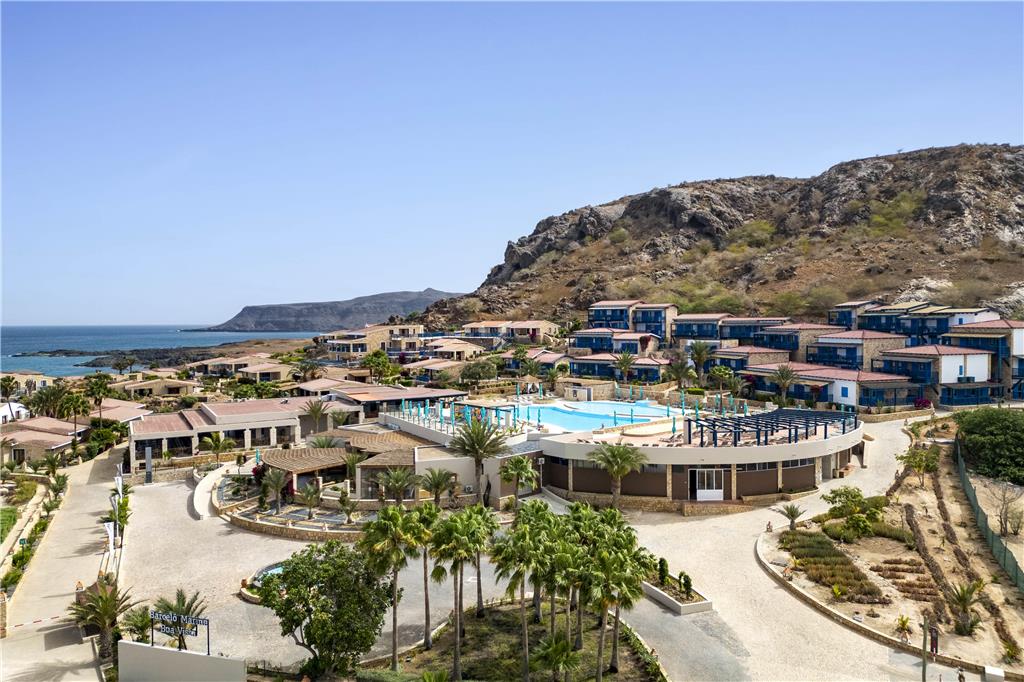
 5★
In short
Sal Rei suits travellers who want a small town base on Boa Vista rather than a resort strip. The island capital has a church square, a working harbour and a bay used for kitesurfing, with Praia de Chaves, Praia de Santa Mónica and the Viana Desert within easy reach. Evenings are quiet, and the airport is about 10 to 15 minutes away.
Why stay in Sal Rei?
Sal Rei is the capital of Boa Vista and the only real town on the island. It sits on the west coast, built around a square with the church of Santa Isabel, and runs down to a small harbour and a long curved bay. Most of it can be crossed on foot in twenty minutes, which makes errands and evenings easy. Shops, places to eat and a handful of small guesthouses line the streets behind it.
The mood is quiet rather than resort-like. Nights centre on a few places near the square and the harbour, with no entertainment strip and no late-night clamour. Travellers who want to walk to dinner, hear Kriolu spoken around them and still reach long empty beaches within a short drive treat Sal Rei as a base for a week rather than a single night. The islet of Ilhéu de Sal Rei lies just offshore and gives the bay its shape.
Which beaches are near Sal Rei?
The beach at Sal Rei runs along the bay in front of town. Wind and swell make it a better place to watch or to kitesurf than to swim, and the bay is one of the spots local riders use when conditions suit. For calm water and space, most people drive south or south-west to the long beaches beyond the resorts. A short drive goes a long way on Boa Vista, which has about 55 km of beach in total.
Praia de Chaves is the long west-facing beach south of town, backed by dunes and the resort coast, with plenty of space between the buildings. Praia de Santa Mónica, in the south-west, is the island's best-known stretch and the one most people picture. Both are reached by road, and a hire car or driver-guide makes the day easier since tracks are sandy and signs are sparse. Go early, both for the light and because shade is almost non-existent on either beach.
- Sal Rei bay: The town beach, where wind and swell suit kitesurfers and windsurfers more than swimmers.
- Praia de Chaves: A long west-facing beach south of town, backed by dunes and the resort coast.
- Praia de Santa Mónica: The south-west beach most people picture when they think of Boa Vista.
- Viana Desert: Dunes inland to the east, best seen in low morning or evening light.
Can you see turtles near Sal Rei?
Boa Vista is one of the most important loggerhead turtle nesting areas in the Atlantic, and the beaches west and south of Sal Rei are part of that. Nesting runs roughly June to October, with hatchlings emerging until November. The work is done by licensed projects with local guides, and joining one is the only responsible way to see turtles without disturbing nesting females. Numbers vary from year to year, and no sighting is guaranteed.
Rules are simple and firm. No lights on nesting beaches, no flash photography, no touching, and stay behind the guide. A female frightened back into the sea may not return. Humpback whales pass Boa Vista roughly March to May and the same licensed operators run boat trips in season. Check dates and availability directly with the project, because timings shift with the year. Turtle nights usually finish late, so plan a slow morning afterwards.
What is there to see in Sal Rei?
The square, with the church of Santa Isabel, is the natural starting point. Streets run from it down to the harbour, where fishing boats land and the catch is sold on the quay. Offshore, the Ilhéu de Sal Rei carries the ruins of an old fort that once guarded the anchorage. Boat trips cross to the islet when the sea allows. Allow an hour for the town itself, more if the harbour is busy.
North of town, the wreck of the Cabo Santa Maria lies on the north coast. The ship ran aground in 1968 and has been breaking down into the sand ever since. The track is rough and unsigned, so ask locally or go with a guide. In the other direction, the Viana Desert spreads inland to the east, with dunes that shift in the wind. Late afternoon is the best light for both.
Where should you stay in Sal Rei?
Accommodation in Sal Rei is small in scale. Guesthouses, small hotels and apartments let by the week sit within a few streets of the square, so restaurants, the harbour and the church are all on foot. Rooms facing the bay catch the wind; rooms set back a street or two are quieter. Book ahead in the trade-wind months, when the island is busiest. A handful of places have roof terraces, which are worth asking about.
The resort coast towards Praia de Chaves is the alternative. Properties there are larger, food is often included, and the beach is at the gate, though there is little town around them and a car or taxi is needed for anything else. Many travellers split a stay: a few nights in Sal Rei for the town and turtles, then a week on the beach. The airport is 10 to 15 minutes away by road.
What is there to eat in Sal Rei?
Fish dominates. Tuna and wahoo come off the boats at the harbour, octopus is stewed or grilled, and cachupa, the slow-cooked corn and bean dish, turns up on most menus. Ask for cachupa refogada, the fried version made the next morning from what is left. Goat's cheese appears on some tables, and grogue or ponche to finish. Fresh fish is at its best at lunch, when the boats are in.
Eating out is informal. Lunch can be a plate of grilled fish and rice in twenty minutes, dinner a longer affair near the square or the waterfront. Vegetarian choice is thin outside the bigger properties, so ask what the kitchen can do. The pace is slow, which is part of morabeza, the Cape Verdean habit of hospitality. Smaller places may prefer cash, so check before ordering. Bread, olives and a hot sauce often arrive without being ordered.
- Cachupa: The national dish: corn and beans cooked slowly with fish or meat.
- Cachupa refogada: The same dish fried the next morning, and often better than the first version.
- Tuna and wahoo: Firm fish landed at the harbour and usually grilled or served as steaks.
- Octopus: Stewed or grilled, and common on menus around the square.
- Grogue and ponche: Sugarcane spirit, neat or sweetened as ponche, to finish a meal.
How do you get around from Sal Rei?
The airport is 10 to 15 minutes away by road, and taxis meet arrivals; agree the fare before getting in. Within town, walking is easiest. For beaches and the desert, a hire car gives the most freedom, though tracks to some beaches are sandy and unsigned. Driver-guides are common and worth it for a first visit, particularly for turtle nights and the wreck. Book hire cars in advance in busy weeks, as choice on the island is limited.
Aluguers, the shared minibuses and pick-ups that link towns, leave when full and are the way most residents travel. They are cheap and frequent on main routes, less so on Sundays. Inter-island travel from Boa Vista is by air; check current schedules with the airline. If you continue by ferry, keep a buffer day before an international flight, because weather delays happen. Ask at your accommodation for the next departure rather than relying on a timetable.
- On foot: The centre, the square and the harbour are all within a short walk of each other.
- Aluguer: Shared minibuses and pick-ups that leave when full and stop where asked.
- Taxi: Useful from the airport and the port; agree the fare before setting off.
- Hire car: The most flexible option for beaches and the desert, though some tracks are sandy.
- Driver-guide: Common on Boa Vista, and useful for the wreck, turtle nights and unsurfaced roads.
When should you visit Sal Rei?
Boa Vista is warm all year, with daytime temperatures in the mid-20s °C. The driest months run from November to June. Short, irregular rain falls mostly between August and October. Trade winds are strongest roughly November to May, which is the kitesurf season, and winter can bring dust haze from the Sahara that softens the light and the views. Mornings are usually clearest, whatever the month. Sea temperatures are warmest from August to October and coolest in February and March.
Turtle season runs roughly June to October and whale watching roughly March to May, so spring and autumn both have something to offer. School holidays and the northern winter are the busiest periods, and accommodation in and around Sal Rei fills earlier then. Entry rules change: check the official EASE platform at ease.gov.cv, or a Cape Verde embassy, before booking anything. A February or March visit brings the strongest wind and the coolest sea.
Hotels in Sal Rei, Boa Vista
82 stays in the IMPT hotel database are in or near Sal Rei, Boa Vista. Listed 5-star first, then 4-star, then by guest score. No prices here: each button opens live availability in the IMPT app.
5★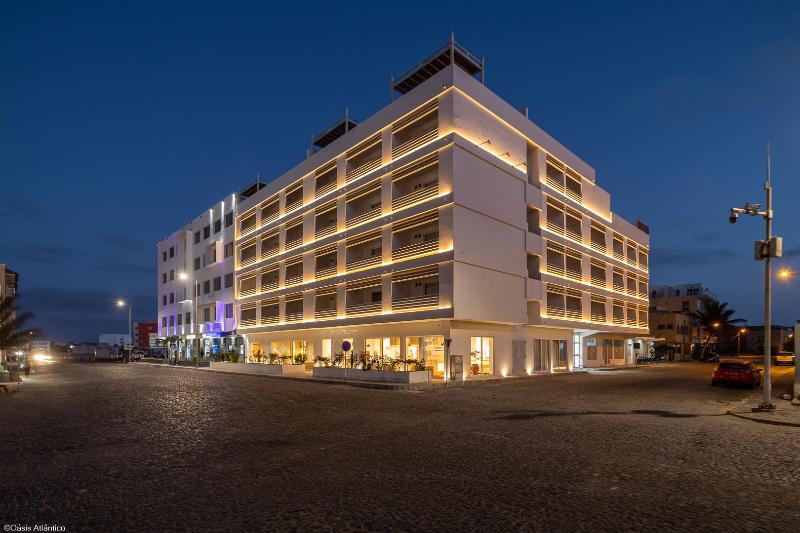 4★
Oasis White Hotel
Sal Rei, Boa Vista · 4-starGuest score 4.3/5 from the booking supplier · 83 reviewsSee live price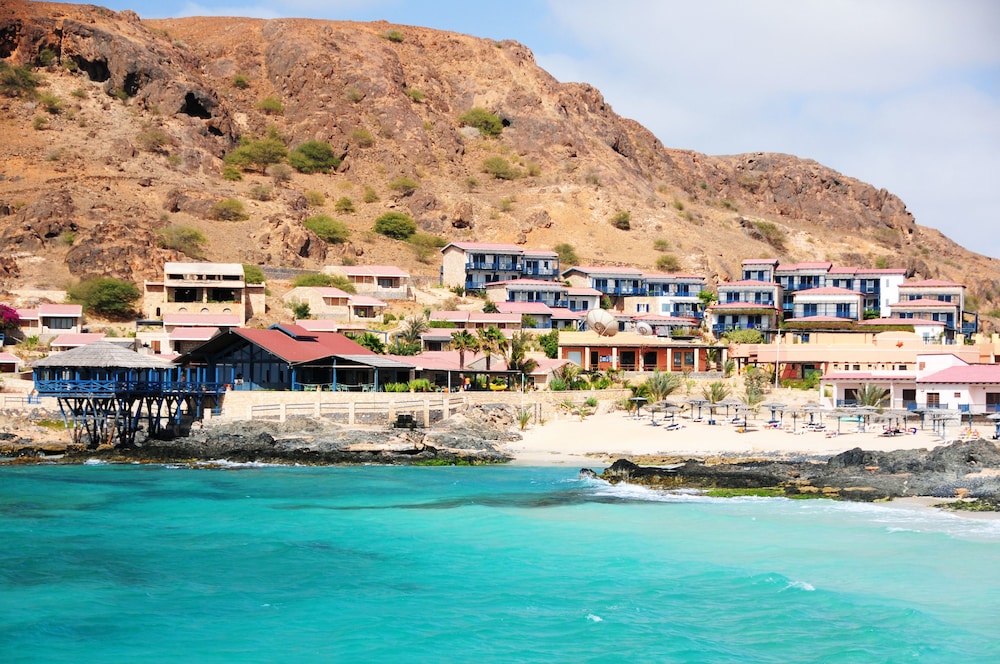 4★
AHG Marine Club Beach Resort
Sal Rei, Boa Vista · 4-starGuest score 3.9/5 from the booking supplier · 431 reviewsSee live price 4★
 4★
 4★
Frequently asked questions
Is Sal Rei a good base for a Boa Vista holiday?
For most travellers, yes. Sal Rei is the island's only real town, so shops, places to eat and the harbour are within walking distance, and the airport is 10 to 15 minutes away. Praia de Chaves, Praia de Santa Mónica and the Viana Desert all work as day trips. Those who want everything on one resort site may prefer the coast.
How far is Sal Rei from Boa Vista airport?
Aristides Pereira International (BVC) is about 10 to 15 minutes from Sal Rei by road. Taxis meet arrivals, and the fare should be agreed before setting off. Flight schedules change by season, so check current times with the airline before planning a tight connection or a late arrival.
Can you swim at the beach in Sal Rei?
The bay in front of town is often windy and choppy, which suits kitesurfers and windsurfers more than swimmers. For calmer water and more space, drive to Praia de Chaves or Praia de Santa Mónica. Ask locally about conditions before swimming anywhere on the island, because swell and currents vary along the coast.
When can you see turtles near Sal Rei?
Loggerhead turtles nest on Boa Vista's beaches roughly June to October, with hatchlings emerging until November. Outings run with licensed projects and local guides, usually at night. Book directly with the project and check dates, because the season shifts from year to year. No lights, no flash photography and no touching.
Are there shops and restaurants in Sal Rei?
Sal Rei is the island capital, so it holds the widest spread of everyday shops and places to eat on Boa Vista, mostly in the streets around the square and down towards the harbour. Choice is still small, and the resort coast has most of the larger restaurants. Vegetarian options are limited, so ask.
Do you need a car in Sal Rei?
Not in town, which is small enough to walk. A hire car helps for beaches, the Viana Desert and the wreck on the north coast, where tracks are sandy and unsigned. Aluguers cover main routes but leave when full. Driver-guides are a good alternative for a first visit, especially for turtle nights.
How many nights should you spend in Sal Rei?
Two or three nights give time for the town, a beach day and a turtle or whale outing. Many visitors then move to the resort coast for a week of beach time. A single night is enough only if the island is a stop between flights, since the west coast rewards a slower pace.
Is Sal Rei quiet at night?
Yes. Evenings centre on a handful of places near the square and the harbour, and there is no entertainment strip. Travellers looking for late bars and loud music usually stay on the resort coast towards Praia de Chaves. In Sal Rei the draw is a walk after dinner and an early start for turtles or the desert.
What is the weather like in Sal Rei through the year?
Warm all year, with daytime temperatures in the mid-20s °C. The driest months run from November to June, and short rain falls mostly between August and October. Trade winds are strongest roughly November to May. Dust haze from the Sahara can reach the islands in winter. Sea temperatures peak between August and October.
Read next
Sources: Cape Verde Ministry of Tourism, EASE (ease.gov.cv), Câmara Municipal da Boa Vista. Editorial review: 4 November 2026, IMPT Cape Verde editorial team. Schedules, entry rules and opening times change; check before you go.