
 5★
In short
Loggerhead turtles nest on Boa Vista's beaches roughly from July to October, with hatchlings emerging until about November. Boa Vista is one of the most important nesting areas in the Atlantic. Visitors can watch only on night walks run by licensed conservation projects, with no torches, no flash, no touching and a set distance from nests.
Island
Boa Vista
Allow
Jul–Oct
Type
Nature
Nearest base
Sal Rei
When is turtle nesting season?
Loggerhead turtles come ashore on Boa Vista roughly from June and July, and nesting continues into October. Hatchlings start to leave the sand about two months after a clutch is laid, so young turtles keep emerging until about November. The exact dates shift with sea temperature and with individual females, which makes the season a window rather than a fixed calendar. Book a night late in the season and you may see both nests and hatchlings.
Nesting happens at night. A female usually comes ashore after dark, clears a pit above the tide line, lays her clutch and covers it before returning to the sea. She may nest several times in one season. Hatchlings wait for cooler sand and emerge in small groups, often in the hours before dawn. Because so much depends on temperature and tide, no single night is guaranteed, and guides are honest about the odds.
Why Boa Vista matters for loggerheads
Boa Vista is one of the most important loggerhead nesting areas in the Atlantic, and the island's beaches carry the largest concentration in Cape Verde. About 55 km of sand gives females room to nest away from artificial light and traffic. Praia de Santa Mónica in the south-west and the northern coast near the wreck of the Cabo Santa Maria both see regular activity. The same stretches are used year after year, which is why protecting particular beaches matters more than general advice.
Loggerheads are the most common sea turtle in Cape Verdean waters. Females return to the beach where they hatched, so a disturbed season can affect the same stretch for decades. A female that is interrupted before she lays may drop her eggs at sea, where they are lost. That is the reason for the strict rules on light, noise and distance, and the reason walks run only with licensed projects that record nests and report them.
How do licensed turtle walks work?
Licensed conservation projects run night walks through the season, usually starting from Sal Rei or from meeting points along the south and west coasts. Groups are small, guides are trained and a briefing comes before anyone steps onto the sand. A walk lasts as long as the turtles decide, so no project can promise a finish time. Some nights bring several nesting females, others bring a long walk and no turtles at all.
The guide decides when to approach, where to stand and when to withdraw. You may wait at a distance while a female settles and begins to dig, then move closer once she is laying and less responsive to movement. Some projects also manage nests that are at risk from tides or light, and a hatchling release may form part of the evening. Ask what the walk involves before booking, particularly if there are children in the group.
- Booking ahead: July and August are the busiest weeks, so arrange a place with a licensed project before you travel.
- Briefing first: Guides explain the route, the approach distance and the light rules before the group leaves.
- Small groups: Numbers are capped, and quiet groups see more because turtles react to movement and sound.
- No guarantee: Projects record nesting activity, but no walk can promise a turtle, so treat a sighting as luck.
Rules on the night walk
The rules protect the animals, not the visitors. No torches, phone lights or camera flash at any point on the beach. Artificial light disorients nesting females and pulls hatchlings away from the sea, where they die. Walk behind the guide, keep voices low and stop the moment you are asked. If a female turns back towards the water, she may drop her clutch at sea, and the whole nesting attempt is lost.
Never touch a nest or pick up a hatchling for a photograph. Young turtles need to cross the sand to imprint on the beach and to build strength for the swim offshore, and handling costs them energy they cannot spare. Keep well back from a female coming ashore and never stand between her and the water. Guides normally ask anyone who breaks the rules to return to the meeting point, and projects can end a walk early.
- No white light: Keep torches and phone screens off, and use red filters only if a guide asks.
- No flash: Photography is restricted to whatever the guide permits, and flash is never allowed.
- Keep your distance: The approach line changes with each turtle, and it is always set by the guide.
- Stay low and quiet: Crouch when told, speak in a whisper, and avoid sudden movement near a nesting pit.
- Hands off: Nests, eggs and hatchlings are never handled by visitors, however briefly.
Nesting and hatching: what to expect
A female coming ashore is easy to miss in the dark: a shape at the water's edge, a slow haul up the sand, a pause while she chooses a spot. She clears a body pit with her flippers, then digs an egg chamber with her hind flippers and lays. Covering takes as long as digging. Watching this from the permitted distance is the purpose of the walk, and guides move the group between turtles rather than settling at one nest.
Hatching is a group effort. Eggs near the bottom of the chamber tend to hatch first, and the young turtles loosen the sand above them together. They emerge at night or in the cool of early morning and turn towards the brightest horizon, which on a dark beach is the sea. Beach lighting, car headlights and torches break that instinct, so projects may intervene where a nest sits in the path of light, and record what hatches.
Getting to the beaches from Sal Rei
Sal Rei is the main base on Boa Vista, and most walks start in or near the town before moving to the coast. Transport is often arranged as part of the booking. Otherwise the island has taxis and shared pick-ups, and drivers know the beach access points. Agree the fare before setting out and confirm the return journey, because late-night transport on Boa Vista is thin and a walk can finish after midnight.
Different projects work different beaches: the western stretches near Praia de Chaves, the southern sand around Praia de Santa Mónica, and quieter northern beaches. Distances are short in kilometres but the last part of many routes is sandy track. Allow more time than the map suggests, carry water and keep a free morning as a buffer if there is an international flight the next day, since a delayed return is the commonest problem.
Turtle watching on Sal and Maio
Boa Vista carries the largest concentration of nesting loggerheads, but the species also nests on Sal and Maio, and licensed projects run night walks on both islands in the same months. On Sal the walks leave from Santa Maria and other bases, and groups may travel some distance to reach a quiet stretch. The rules are the same on both islands: no white light, no handling, no approach without the guide.
Maio is quieter than Boa Vista, with fewer visitors and long empty beaches, and the ferry from Praia makes it reachable from Santiago, with Vila do Maio as the usual base. Whether the walk is on Boa Vista, Sal or Maio, join a licensed project rather than walking a nesting beach alone at night, and accept that a night without turtles is part of watching wildlife rather than a failure, so keep an evening spare.
Booking, timing and what to bring
Book before you travel in July and August and confirm the meeting point on the day. Wear dark, loose clothing and closed shoes for soft sand, bring water and insect repellent, and leave jewellery that catches light at home. A light layer helps if the walk returns late. If you are staying in Sal Rei, ask the project how the return works, since the group may finish at a beach far from town.
A night walk involves sand, darkness and waiting, which does not suit every visitor. Children can join when accompanied and able to stay quiet, but a tired child and a strict silence rule rarely mix. For turtle work without the night walk, some projects take daytime help with beach patrols and nest recording, so ask what is possible. Enquire well ahead, as places are limited and the season is short.
- Dark clothing: Loose dark layers and a light jacket suit a walk that can run late into the night.
- Closed shoes: Soft sand and uneven tracks make trainers or closed sandals the sensible choice.
- Water: Nights stay warm, and walks can last longer than the briefing suggests.
- Leave the torch: Guides carry red-filtered lamps, so white torches and camera flash stay behind.
Hotels in Sal Rei, Boa Vista
For Turtle watching on Boa Vista, the nearest base is Sal Rei, Boa Vista, with 82 stays in the IMPT hotel database. Listed 5-star first, then 4-star, then by guest score. No prices here: each button opens live availability in the IMPT app.
5★ 4★
Oasis White Hotel
Sal Rei, Boa Vista · 4-starGuest score 4.3/5 from the booking supplier · 83 reviewsSee live price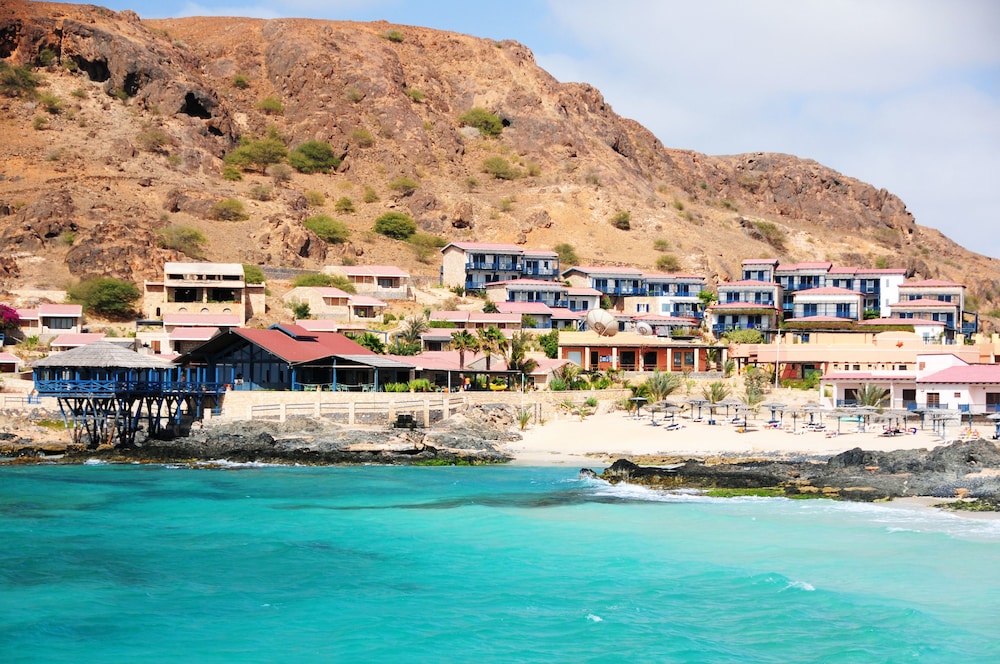 4★
AHG Marine Club Beach Resort
Sal Rei, Boa Vista · 4-starGuest score 3.9/5 from the booking supplier · 431 reviewsSee live price 4★
 4★
 4★
Frequently asked questions
When is the best time for turtle watching on Boa Vista?
Nesting runs roughly from June and July to October, and hatchlings keep emerging until about November. Late July and August are the busiest weeks for both turtles and visitors. Nights with a new moon and little wind are often easier, but the turtles set the timetable. Choose a date range rather than a single night and keep a spare evening in case a walk is cancelled.
Do you need to book turtle watching on Boa Vista in advance?
Yes. Walks run in small groups and fill quickly in July and August, so arrange a place with a licensed project before you travel. Ask where the group meets, how the return works and whether a walk is likely to be cancelled. Projects also take bookings through the places where guests stay on the island, subject to availability.
Can you see hatchlings during turtle watching on Boa Vista?
Sometimes. Hatchlings emerge about two months after eggs are laid, so the first clutches produce young from around August and emergence continues until about November. A walk may reach a nest where hatching is taking place, but nothing is staged. Some projects manage nests at risk and release hatchlings at dusk, which is a different experience from watching a female nest.
Are torches allowed on turtle watching walks on Boa Vista?
No. White light disorients nesting females and draws hatchlings inland instead of towards the sea. Torches, phone screens and camera flash stay off for the whole walk. Guides use red-filtered lamps where light is needed. Keep phones in pockets and ask before taking any photograph, and accept that on many walks photography is not permitted at all.
How close can you get on a turtle watching night on Boa Vista?
Distance is set by the guide and changes with each animal. The group waits far back while a female chooses a spot and digs, then may move closer once she is laying and less responsive. Nobody approaches a turtle coming up the beach, and nobody stands between a turtle and the water. On hatching nights the group keeps further back still.
Is turtle watching on Boa Vista suitable for children?
Older children who can stay quiet and follow instructions usually manage well. The walk involves soft sand, darkness and long waits, and a tired child can disturb a nesting female. Take water, a light layer and patience. Ask the project what age they recommend and whether a shorter walk is possible. Families with very young children are better on the daytime activities some projects offer.
Where do turtle watching walks start on Boa Vista?
Most walks begin in Sal Rei, the main town and the nearest base for the island's services. Meeting points can be at the edge of town or at a beach access point, depending on which stretch the project works that night. Some projects collect groups from the resort areas on the south and west coasts. Confirm the exact meeting point on the day, and arrange the return in advance.
Can you watch turtles on Boa Vista without a guide?
No. Boa Vista's nesting beaches should only be visited at night with a licensed project, which has permission, training and insurance, and records nesting activity. Walking a beach alone disturbs females, breaks the light rules and puts hatchlings at risk. If you find a turtle or a nest in trouble, report it to the project working in the area and keep people and lights away.
Is turtle watching on Boa Vista ever cancelled?
Walks can be cancelled. Weather is the usual reason: wind, rain or a rough sea make the beach unsafe or the sand too soft for driving. Projects also cancel when a group is too large or when a turtle needs space. Keep a spare evening, check with the project in the afternoon and accept that wildlife watching carries no guarantees.
Read next
Sources: Ministério da Agricultura e Ambiente, Direção Geral do Ambiente, Câmara Municipal da Boa Vista. Editorial review: 4 November 2026, IMPT Cape Verde editorial team. Schedules, entry rules and opening times change; check before you go.