
 5★
In short
The Viana Desert is a field of pale dunes on Boa Vista, a short drive east of Sal Rei near Rabil. The sand is said to have blown across the Atlantic from the Sahara. Visit early morning or late afternoon with a 4x4 or quad trip, or walk in with water and a hat. Keep vehicles on the established tracks.
Island
Boa Vista
Allow
half day
Type
Nature
Nearest base
Sal Rei
What is the Viana Desert?
The Viana Desert is a field of pale, fine sand on Boa Vista, lying inland from Sal Rei near the village of Rabil and reached by road. It is open ground rather than a gated park: wind has gathered the sand into soft ridges, some of them steep, divided by flatter pans of packed sand and dry scrub. There are no marked trails or facilities, so the visit is about the landscape itself.
The sand does not stay still. The trade winds move it through the year, so a ridge can soften or a track that was clear last season can drift over. Beyond the dunes, the interior of Boa Vista is dry and thinly vegetated, with low scrub and dry grass holding the sand at the margins. That edge, bare dunes against grey-green scrub, is much of what people come to see, and it changes with the light.
How do you get to the Viana Desert?
The desert lies a short drive east of Sal Rei, beyond Rabil, on Boa Vista's road network. Aluguers, the shared minibuses and pick-ups that link the island's settlements, pass along the main road, and taxis from Sal Rei can be taken for the round trip. Organised 4x4 and quad trips from the Sal Rei area cover the dunes and the final sandy track. Ask in Sal Rei about what is currently running, since trips change with the season.
Aristides Pereira International, Boa Vista's airport, is about 10 to 15 minutes by road from Sal Rei, which makes the desert easy to fit into a half day at either end of a trip. If you are staying at the resort beaches on the west coast, the drive into Sal Rei comes first. Main roads are paved; the last stretch to the dunes is sand. Hire cars are available on the island, and a high-clearance vehicle suits sand tracks.
When is the best time to visit?
Early morning and late afternoon are the best hours. The sun is lower, the ridges throw long shadows and the sand is easier to walk on before it heats up. Around midday the light is flat and the surface glare is strong, with almost no shade anywhere in the dunes. A visit of an hour or two in the cooler part of the day covers the area comfortably, and guided trips usually work around these hours.
Boa Vista is warm all year, with daytime temperatures in the mid-20s Celsius, and the driest months run from November to June. Short, irregular rain falls mostly between August and October, when the interior can turn briefly green. Trade winds are strongest from about November to May. Winter can bring dust haze from the Sahara, which softens the light and the views. Haze rarely stops a visit but it does change what you see.
- Early morning: The coolest hours, with low sun and long shadows across the ridges.
- Late afternoon: Warm light and shorter shadows, with daylight left for the drive back.
- Around midday: Strong glare and no shade; the least comfortable time on the sand.
- Rainy months: Brief showers are possible from August to October; check the forecast first.
How do you explore the dunes?
Most visitors see the dunes from a 4x4 or a quad, on a half-day trip that usually combines the desert with other stops on the island. Vehicles stay on the established tracks: driving onto the open dunes cuts them up, damages the thin cover at the edges and is not welcome. Ask what a trip includes before booking, since routes vary. Trips run from Sal Rei and from the resort areas and last a few hours.
Walking in is straightforward if you have your own transport to the edge of the sand. Take water for everyone, a hat and sun cover, and wear closed shoes rather than sandals, since the surface is soft and hot. Distances inside the dunes are short enough for an hour on foot. Without a guide, keep the road or a landmark in sight, because sand shifts and the edge can look different from the way you came.
- 4x4 trip: The usual way to reach the dunes, often combined with other stops on the island.
- Quad tour: Popular around Sal Rei, provided the route stays on tracks rather than open sand.
- Walking: An hour on foot from the road edge covers the main ridges; carry water and a hat.
- Self-drive: Hire cars can reach the edge of the sand; high clearance helps on the tracks.
What will you see in the desert?
The appeal is the sand itself: pale ridges running in long lines, sharp crests where the wind has shaped them, and flatter pans between. The colour changes through the day, from near-white around noon to warmer tones in the late afternoon. Because the dunes stand above the surrounding plain, there are open views back over the dry interior of the island. A camera is the only equipment needed, and the low sun suits it best.
This is not a place for wildlife watching. The dunes and the scrub around them support a few lizards, insects and birds, but the island's better-known animals are elsewhere: loggerhead turtles nest on Boa Vista's beaches from roughly June or July to October, with hatchlings into November, and humpback whales pass offshore between about March and May. Both are seen with licensed guides. Turtle watching runs at night, and no lights are allowed on nesting beaches.
Is the sand really from the Sahara?
The dunes are commonly said to hold sand carried across the Atlantic from the Sahara, blown west by the trade winds. Cape Verde lies about 570 km west of Senegal, and Saharan dust does travel that far: it hazes the sky in winter and settles on land and sea. Sand is also worked from local rock and from the shoreline, so the dunes are best described as a mixture. The contrast with the black volcanic sand of Fogo is striking.
What matters for a visit is the texture rather than the origin. The grains are fine and pale, soft underfoot and easily moved, which is why tracks change and ridges shift. It also means sand gets into shoes, cameras and car interiors. A cloth or a bag that closes helps on a windy day, when grains lift from the crests and settle over everything. Keep the car windows shut when parked near the sand.
What should you take with you?
There are no shops, cafés or toilets at the dunes, and little shade, so everything you need has to come with you. Take more water than feels necessary, a hat, sunglasses and high-factor sun cream, and a layer for the wind. Closed shoes are better than sandals on the soft, hot surface. A bag that closes keeps sand out of phones and cameras. Supplies can be bought in Sal Rei or at the resort areas before setting out.
Treat the dunes as you would any exposed ground in a hot, dry climate. Heat and glare are the main risks, and a walk that seems short can take longer in soft sand. Children and older walkers tire quickly on the slopes. Keep to the tracks with any vehicle, park at the edge of the sand, and take litter away with you, since there are no bins. On dust haze days, keep long walks short.
What else is near the Viana Desert?
Rabil, the small settlement on the road out of Sal Rei, sits close to the dunes and is often passed on the way. Sal Rei itself has the harbour, the everyday shops and most of the island's services, and it is the natural base for a visit. The international airport lies between the town and the main resort areas, so a stop at the dunes can fit a transfer day with time to spare.
Boa Vista's coast is the other half of the island's appeal. Praia de Santa Mónica runs along the south-west, Praia de Chaves faces west near the resorts, and the wreck of the Cabo Santa Maria, driven ashore in 1968, lies on the north coast. Turtle beaches are protected and visited only with licensed projects. Half a day covers the desert and one beach comfortably, and the roads between them are paved.
- Rabil: Small settlement on the road east from Sal Rei, close to the dunes.
- Sal Rei: The island's main town, with the harbour, shops and the usual base for trips.
- Praia de Chaves: Long west-coast beach near the resort areas, good for a late walk.
- Cabo Santa Maria: The rusting wreck on the north coast, driven ashore in 1968.
- Praia de Santa Mónica: Sweeping south-west beach that pairs well with a morning at the dunes.
Hotels in Sal Rei, Boa Vista
For Viana Desert, the nearest base is Sal Rei, Boa Vista, with 82 stays in the IMPT hotel database. Listed 5-star first, then 4-star, then by guest score. No prices here: each button opens live availability in the IMPT app.
5★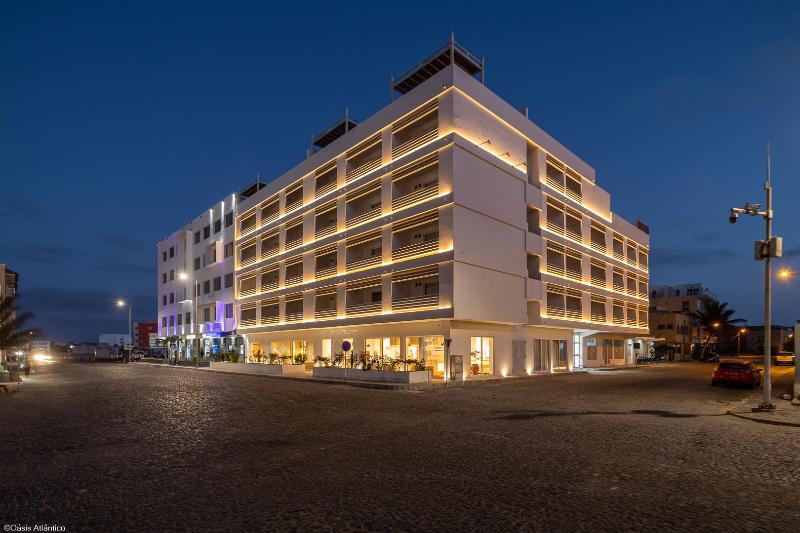 4★
Oasis White Hotel
Sal Rei, Boa Vista · 4-starGuest score 4.3/5 from the booking supplier · 83 reviewsSee live price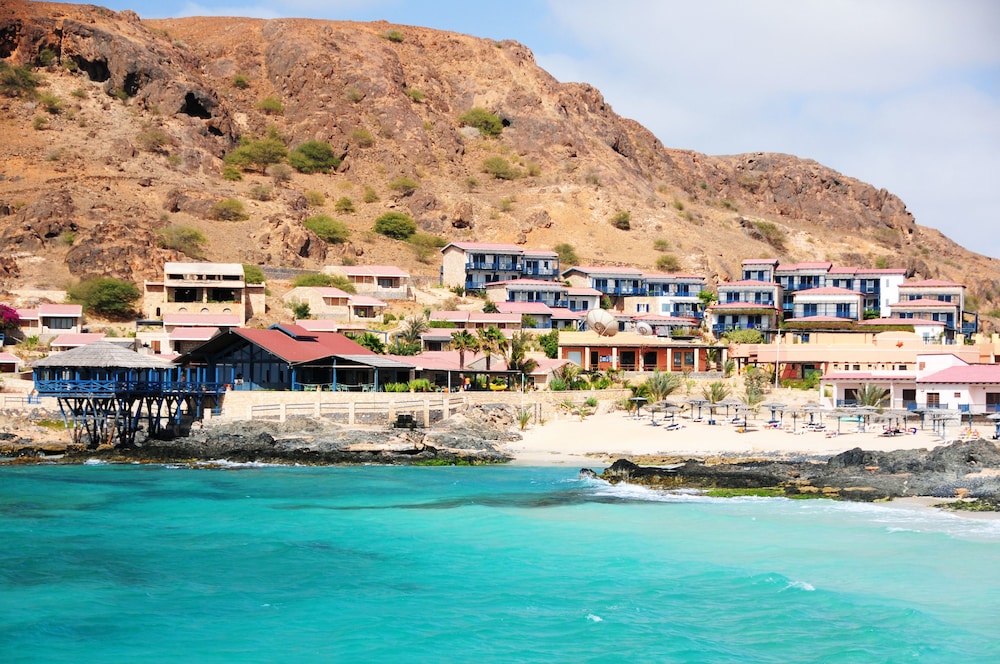 4★
AHG Marine Club Beach Resort
Sal Rei, Boa Vista · 4-starGuest score 3.9/5 from the booking supplier · 431 reviewsSee live price 4★
 4★
 4★
Frequently asked questions
Where is the Viana Desert on Boa Vista?
The Viana Desert lies inland from Sal Rei on Boa Vista, close to the small settlement of Rabil and reached by road. It sits in the dry interior rather than on the coast, so the sea is not visible from the main ridges. The drive from Sal Rei is short, which makes it an easy half-day trip.
How do you get to the Viana Desert from Sal Rei?
Head east out of Sal Rei past Rabil; the dunes begin a short distance beyond. Aluguers, the shared minibuses and pick-ups, run along the main road, and taxis can be taken for the round trip. Many visitors join an organised 4x4 or quad trip instead, which covers the final sandy track. Ask locally about current services.
Is the Viana Desert made of Saharan sand?
The dunes are commonly said to hold sand blown across the Atlantic from the Sahara, and Saharan dust certainly reaches Cape Verde, which lies about 570 km west of Senegal. Sand is also worked from local rock and from shorelines. The usual description is that the dunes are a mixture, whatever the popular story says.
When is the best time of day for the Viana Desert?
Early morning and late afternoon are the best hours, when the sun is low, the ridges cast long shadows and the sand has not heated up. Around midday the glare is strong and there is no shade. Guided trips usually work around these hours, so ask what time a departure starts before booking.
Can you walk into the Viana Desert without a guide?
Yes, if you have transport to the edge of the sand. Distances inside the dunes are short, and an hour on foot covers the main ridges. Take water, a hat and closed shoes, and keep the road or a landmark in sight, because tracks shift with the wind. Walking is best in the cooler hours.
Are there facilities at the Viana Desert?
No. There are no shops, cafés, toilets or shade at the dunes, and nothing to buy once you leave the road. Everything you need has to be carried in, including water for each person. Supplies are available in Sal Rei and at the resort areas before you set out. Take litter away with you.
Can you drive onto the dunes at the Viana Desert?
No. Vehicles should stay on the established tracks, because driving onto open sand cuts up the ridges and damages the thin cover at the edges. Park at the edge of the sand and walk in. Hire cars can reach the area, though a high-clearance vehicle suits the sand tracks better than a small car.
How long should you spend at the Viana Desert?
An hour or two is enough to walk the main ridges and take photographs. Most organised trips run as half days and combine the dunes with other stops on Boa Vista. If you are driving yourself, the desert fits easily into a morning or an afternoon alongside a beach or Sal Rei itself.
What should you take to the Viana Desert?
Water for each person, a hat, sunglasses, sun cream and closed shoes. A layer helps when the wind picks up, and a bag that closes keeps fine sand out of cameras and phones. There is no shade and nowhere to refill a bottle, so plan for the whole time you are out on the sand.
Read next
Sources: Câmara Municipal da Boa Vista, Ministério do Turismo e Transportes, Direcção Geral do Ambiente. Editorial review: 4 November 2026, IMPT Cape Verde editorial team. Schedules, entry rules and opening times change; check before you go.
Photo credits: Ingo Wölbern, Public domain, via Wikimedia Commons.