
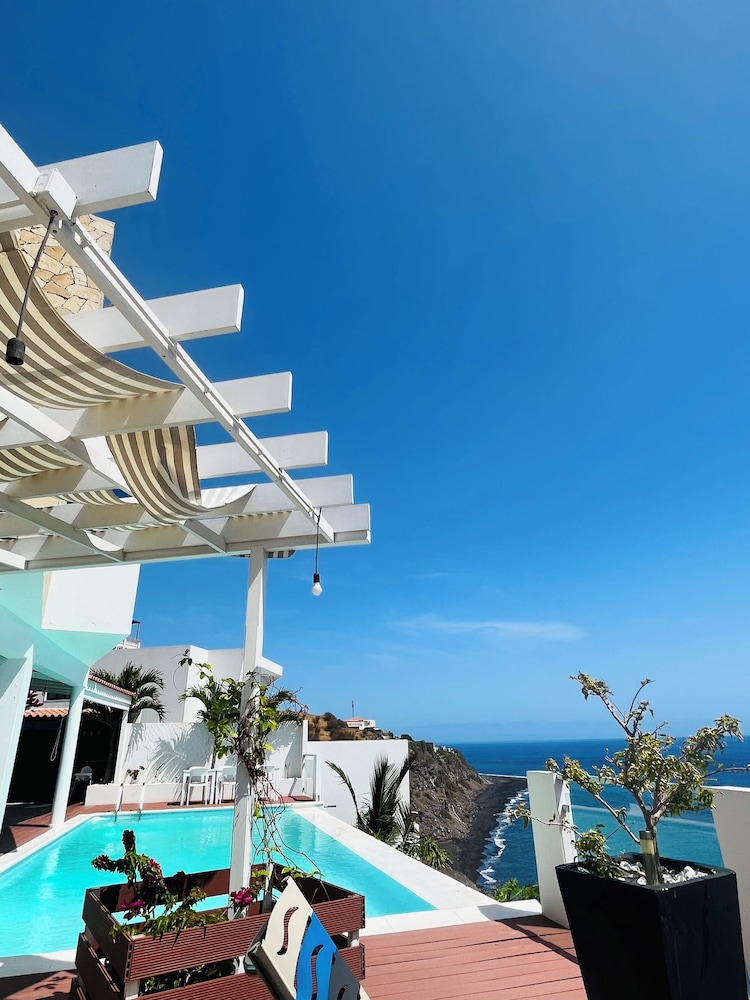
 5★
In short
São Filipe is the main town on Fogo and the usual base for the volcano. The old centre has cobbled streets and sobrado houses with wooden balconies, with the black-sand beach at Fonte Bila below the cliff. Chã das Caldeiras and the Pico do Fogo trailhead are a drive uphill. Domestic flights land at São Filipe Airport, and ferries run to Praia and Brava.
Why stay in São Filipe?
São Filipe is the main town on Fogo and the usual base for a visit to the volcano. The centre is compact and walkable: cobbled streets, low houses and the sobrado town houses of the old plantation families, with wooden balconies and shuttered windows. It works as a town rather than a resort, with a small market, a harbour below the cliff and a slow afternoon pace. Most streets run gently uphill from the water, so a walk round town is short but not flat.
The reason to base here is the surrounding island. Chã das Caldeiras, the crater where the villages of Portela and Bangaeira sit under the cone, is a drive uphill from town. The trailhead for Pico do Fogo is above São Filipe, and the coast road north and south passes lava fields and small farming villages. It is the sort of place where you arrange a driver the evening before and set off at first light.
What is the beach at São Filipe like?
Fonte Bila is the black-sand beach below São Filipe, reached by a steep path from the town or a short drive down from the cliff. The sand is dark volcanic grit, the bay is wide and open, and the ground behind it rises sharply. It is where people from town go to cool off late in the day, and it is the closest beach to the centre. Wear shoes for the path down, which is rough in places.
The Atlantic here is open and the currents can be strong, so treat the water with care and watch how local swimmers read it before going in. Ask in town about conditions on the day. There are days when the swell makes paddling at the edge the sensible option, and children and weak swimmers are better kept close to the sand. Swimming is not the only reason to come, since the walk down and the dark sand are worth the trip.
Chã das Caldeiras: the crater villages
The road climbs from São Filipe through farmland and old lava to the rim of the caldera, then drops into Chã das Caldeiras, the flat crater floor where Portela and Bangaeira sit under Pico do Fogo. The eruption of 2014 to 2015 buried much of both villages; they have been partly rebuilt since, and the crater is lived in again, with small plots of vines and fruit trees between the black rock. It is a working farming landscape, not a museum.
The crater has its own produce. Fogo wine is grown in small plots on the crater floor and bottled in limited quantities, and the goat's cheese made on the island's high ground is eaten across Cape Verde. Both are worth trying at the source. A driver-guide can take you up and back in a day; sleeping in the crater is quieter, but rooms are few. Allow time to walk between the villages, where old lava has left walls and hollows.
- Go with a driver: The crater road and the tracks inside it are easier with a local driver who knows the surface and the weather.
- Bring a layer: The crater floor is high ground, so mornings and evenings are cooler than in São Filipe, and the wind gets up.
- Buy at the source: Small producers on the crater floor sell wine and goat's cheese; your host in town can point you to the right plots.
- Respect the lava: Ground from the 2014-15 eruption is still raw and sharp, so keep to paths and take local advice about closed slopes.
Climbing Pico do Fogo
Pico do Fogo rises to 2,829 m, the highest point in Cape Verde, a live cone inside the caldera. The climb starts from the crater floor and needs a local guide, both for route-finding over loose volcanic ground and because the mountain is active. The last eruption ran from November 2014 to February 2015 and reshaped the slopes you walk on today. Above the crater the ground is ash and scree, with little shelter from sun or wind.
Start early. The climb is best done before cloud builds in the afternoon, and the descent over scree is hard on the knees. Take water, a hat and a windproof layer, since the summit is exposed. Conditions change with the season, so check with a local guide in São Filipe or in the crater before setting out, and turn back if the wind or visibility worsens. Guides can be arranged in town the day before.
- Guide required: The route crosses loose volcanic ground on an active mountain; a local guide knows the safe line and the day's conditions.
- Start at first light: Cloud builds through the afternoon, so an early start gives the clearest views and cooler walking on the open slope.
- Carry layers: The summit is exposed to wind, and a windproof jacket and a hat make the difference between a good climb and a cold one.
- Check the mountain: Ask in São Filipe or in the crater villages about conditions before setting out, and be ready to change plans.
Where to stay in São Filipe
São Filipe has a small stock of guesthouses and residenciais, most of them in or near the old centre and within walking distance of the market, the main square and the path down to Fonte Bila. Rooms are simple and the mood is quiet. Book ahead, since the number of beds in town is limited and the dry months bring people through on the way to the crater. Ask about a room with a balcony over the street, since the sobrado fronts are the reason to stay in the centre.
Rooms inside Chã das Caldeiras are fewer. Some rebuilt houses in Portela and Bangaeira take guests, but standards vary, so ask what is open before planning to sleep up there. Most visitors stay in São Filipe and visit the crater as a day trip, which leaves room to move if the weather turns. Your host can usually arrange the driver as well as the room. Say what you need when you book, since small places answer messages slowly.
What to eat in São Filipe
Cachupa, the slow-cooked corn and beans dish eaten across the islands, is on most tables in São Filipe, usually with fish or meat and often back next morning as cachupa refogada, fried with onion. Kitchens here lean on tuna and wahoo landed at the harbour, octopus stewed with wine, and goat's cheese from the high ground above the town. Portions are generous, and lunch is the main meal for many people in town.
Fogo wine and grogue, the sugarcane spirit, are the local drinks. Much of the grape and cane comes from the crater and the slopes below it, and small bars in town pour both, along with ponche, a sweetened grogue punch. Drink where the town drinks and eat at lunch, when kitchens are busiest; in small places the evening choice is narrower. Ask which dishes are made without meat if that matters to you, since cachupa is the reliable order.
Getting to and around São Filipe
São Filipe Airport (SFL) takes domestic flights, so most visitors arrive from another Cape Verdean island rather than on an international service. Ferries link the town with Praia, on Santiago, and with Brava. Crossings depend on the sea state, so check the current timetable with the operator before you build a tight connection, and keep a spare day before an international flight. Schedules change with the season, so confirm the flight time with the operator.
In town you can walk, though the streets climb. For the crater, the coast villages and the airport, take an aluguer, a shared minibus or pick-up that leaves when full, or a taxi. Aluguers thin out late in the day, so plan the return before you set off. Agree a taxi fare before getting in, and if you want to stop for photographs, say so. Hire cars are available on Fogo, and driver-guides are common for the crater road and the volcano.
- Domestic flights: São Filipe Airport takes flights from the other islands; confirm times with the operator, since schedules change.
- Ferries: Boats run to Praia and to Brava on set days, weather allowing; check the timetable and keep a buffer day.
- Aluguer: Shared minibuses and pick-ups between towns leave when full; ask in town in the morning for the day's routes.
- Driver-guides: Common on Fogo for the crater road and the Pico climb; arrange one through your host the day before.
When to go to São Filipe
Fogo is warm all year, with daytime temperatures in the mid-20s °C on the coast and cooler air on the crater floor. The driest months run from November to June. Short, irregular rains fall mostly between August and October, and the island turns greener afterwards, though tracks can be muddy and the crater road slower. Sea temperatures run warmest from August to October and coolest in February and March.
Trade winds are strongest from about November to May, which makes walking and climbing more comfortable and suits the coastal evenings. Dust haze from the Sahara can arrive in winter and soften the views for a day or two. For dates and forecasts, check with the national meteorological service, and ask locally before committing to a summit day. The crater is colder than the coast at any time of year, so a windproof layer is worth carrying even in the dry season.
Hotels in São Filipe, Fogo
20 stays in the IMPT hotel database are in or near São Filipe, Fogo. Listed 5-star first, then 4-star, then by guest score. No prices here: each button opens live availability in the IMPT app.
5★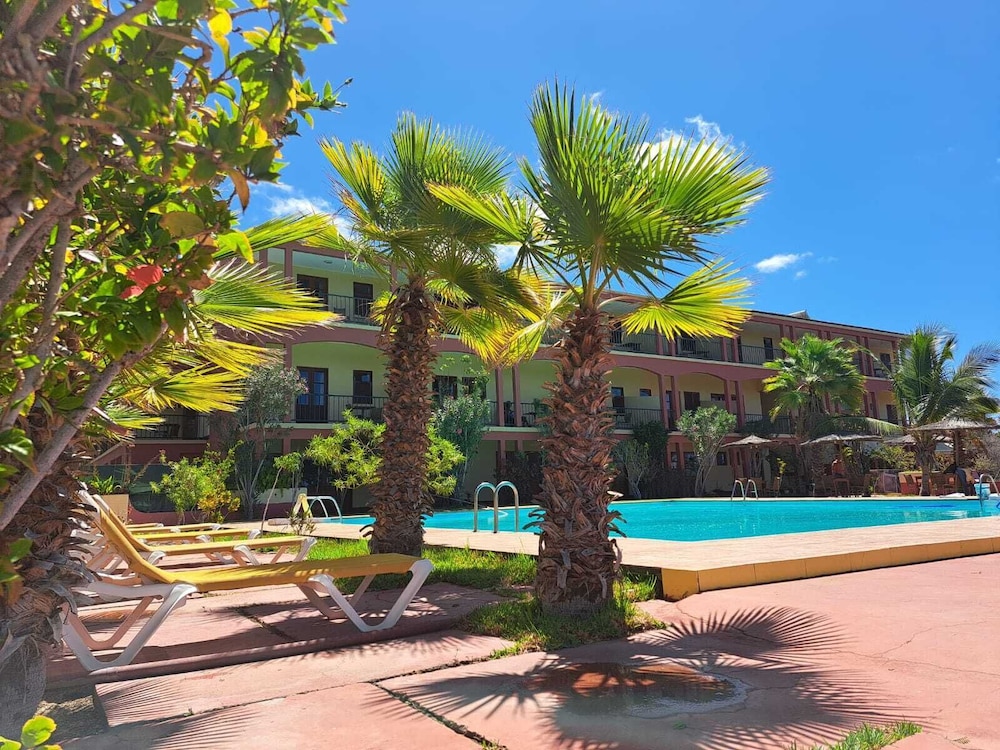 4★
Bamboo Xaguate Hotel
São Filipe, Fogo · 4-starGuest score 3.9/5 from the booking supplier · 143 reviewsSee live price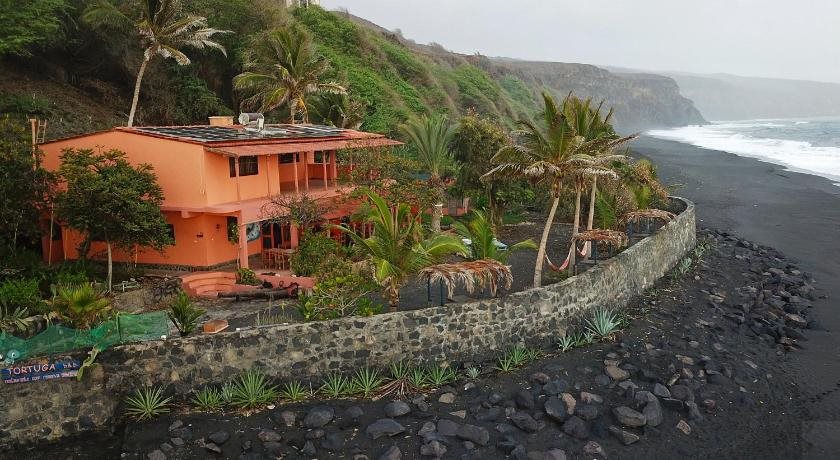 4★
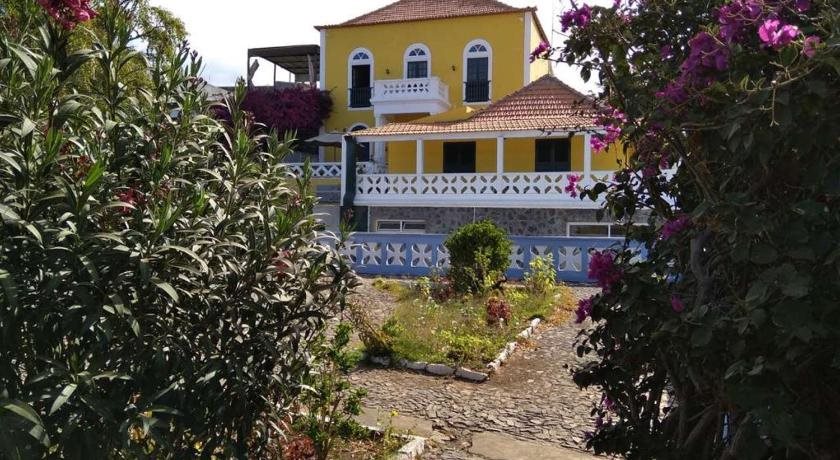 3★
Hotel Savana
São Filipe, Fogo · 3-starGuest score 4.5/5 from the booking supplier · 111 reviewsSee live price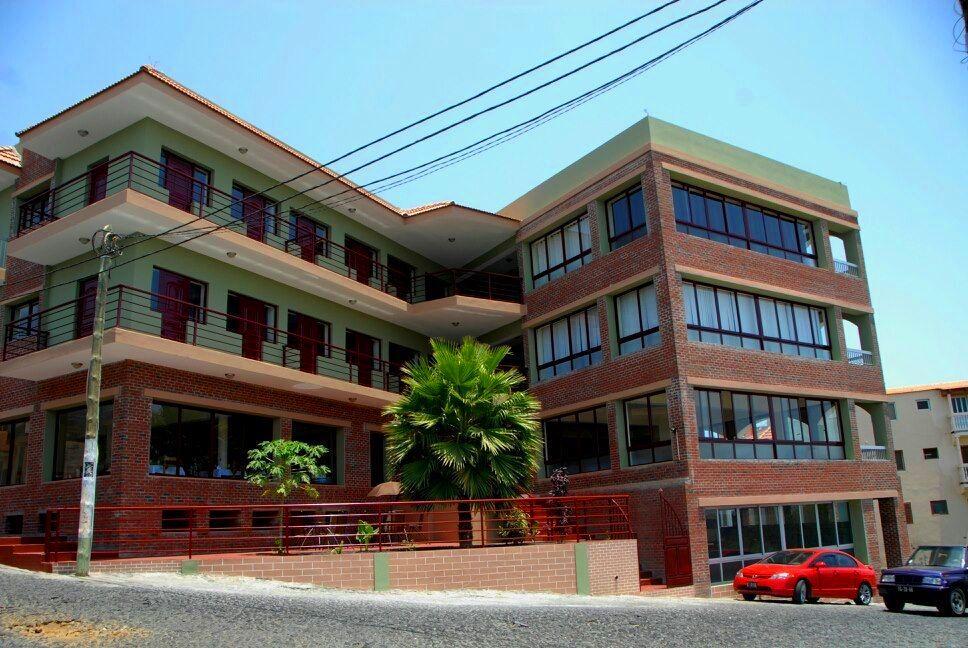 3★
Hotel Santos Pina
São Filipe, Fogo · 3-starGuest score 4.0/5 from the booking supplier · 146 reviewsSee live price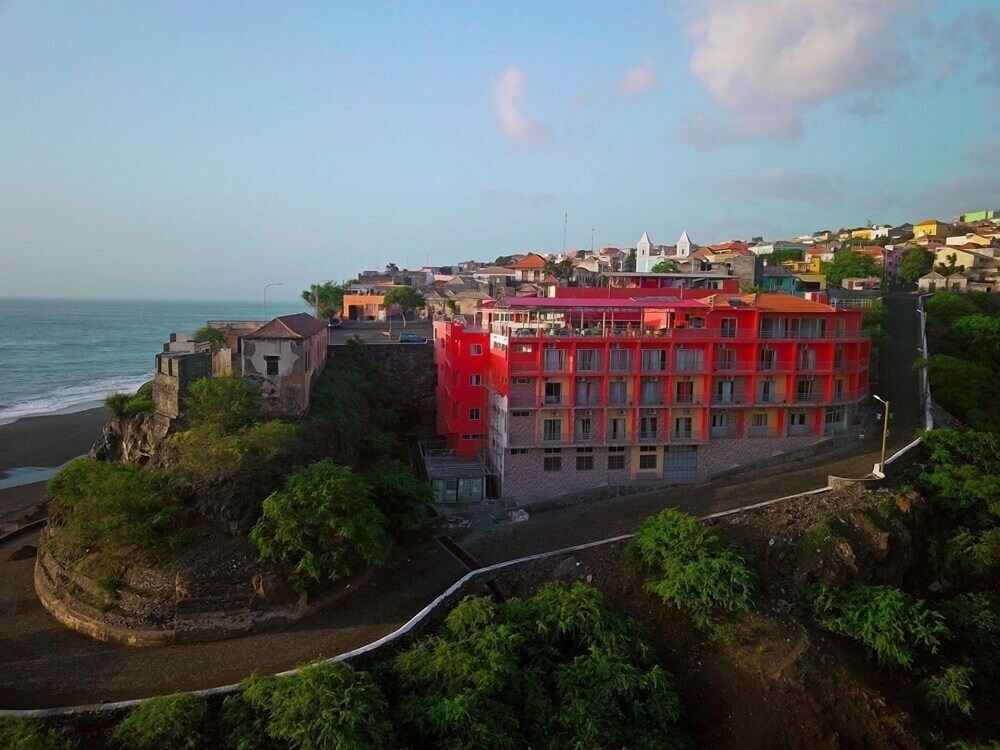 3★
Hotel Ocean View & Restaurante Seafood
São Filipe, Fogo · 3-starGuest score 4.0/5 from the booking supplier · 70 reviewsSee live priceFrequently asked questions
Is São Filipe a good base for climbing Pico do Fogo?
Yes. São Filipe is the usual base, since the road to Chã das Caldeiras starts there and guides can be arranged in town. Many visitors drive up to the crater, sleep in São Filipe and climb Pico do Fogo early the next morning. Staying in the crater is quieter, but rooms are few, so plan that in advance.
How do you reach São Filipe on Fogo?
São Filipe Airport (SFL) handles domestic flights from the other Cape Verdean islands, so most visitors arrive by air from Praia, Sal, Boa Vista or São Vicente. Ferries connect the town with Praia and with Brava. Schedules change with the season, so confirm times with the operator before booking a connection.
Is it safe to swim at Fonte Bila in São Filipe?
The beach is open to the Atlantic and currents can be strong, so swim with care and take local advice on the day. Watch how people from town read the water before going in. On days with swell, stay at the edge of the sand. Children and weak swimmers are safest close to shore.
What can you see in Chã das Caldeiras on a trip from São Filipe?
The crater floor holds the villages of Portela and Bangaeira, partly rebuilt after the 2014-15 eruption, with vineyards, fruit plots and black lava between them. Pico do Fogo rises above. Small producers sell wine and goat's cheese. A driver-guide can take you up and back in a day, with time to walk between the villages.
Do you need a guide to climb Pico do Fogo from São Filipe?
Yes. The climb crosses loose volcanic ground on an active mountain, and a local guide knows the line and the conditions of the day. Guides can be arranged in São Filipe or in the crater villages, usually the day before. Start early, carry water and a windproof layer, and check the forecast before setting out.
Where can you stay in São Filipe?
The town has a small number of guesthouses and residenciais, mostly in or near the old centre, close to the main square and the path down to Fonte Bila. Rooms are simple, and beds are limited, so book ahead. A few rebuilt houses in the crater take guests, but standards vary and choice is tight.
What should you eat and drink in São Filipe?
Look for cachupa, the corn and bean stew, served with fish or meat and fried the next morning as cachupa refogada. Tuna, wahoo and octopus are common, and goat's cheese comes from the high ground. Fogo wine and grogue are the local drinks, and ponche, a sweetened grogue punch, is served in small bars.
How do you get around São Filipe and Fogo without a car?
The centre is walkable. For the crater, the airport and the coast villages, use an aluguer, a shared minibus or pick-up that leaves when full, or take a taxi and agree the fare first. Aluguers thin out late in the day. Driver-guides are common on Fogo and can be arranged through your host.
When is the best time to visit São Filipe?
The driest months run from November to June, with trade winds strongest from about November to May. Short rains fall mostly between August and October and leave the island greener. Daytime temperatures sit in the mid-20s °C on the coast, with cooler air in the crater. Check forecasts before a climb.
Read next
Sources: EASE (ease.gov.cv), ENAPOR, Agência de Aviação Civil, Instituto Nacional de Meteorologia e Geofísica. Editorial review: 4 November 2026, IMPT Cape Verde editorial team. Schedules, entry rules and opening times change; check before you go.
Photo credits: GualdimG, CC BY-SA 4.0, via Wikimedia Commons.